


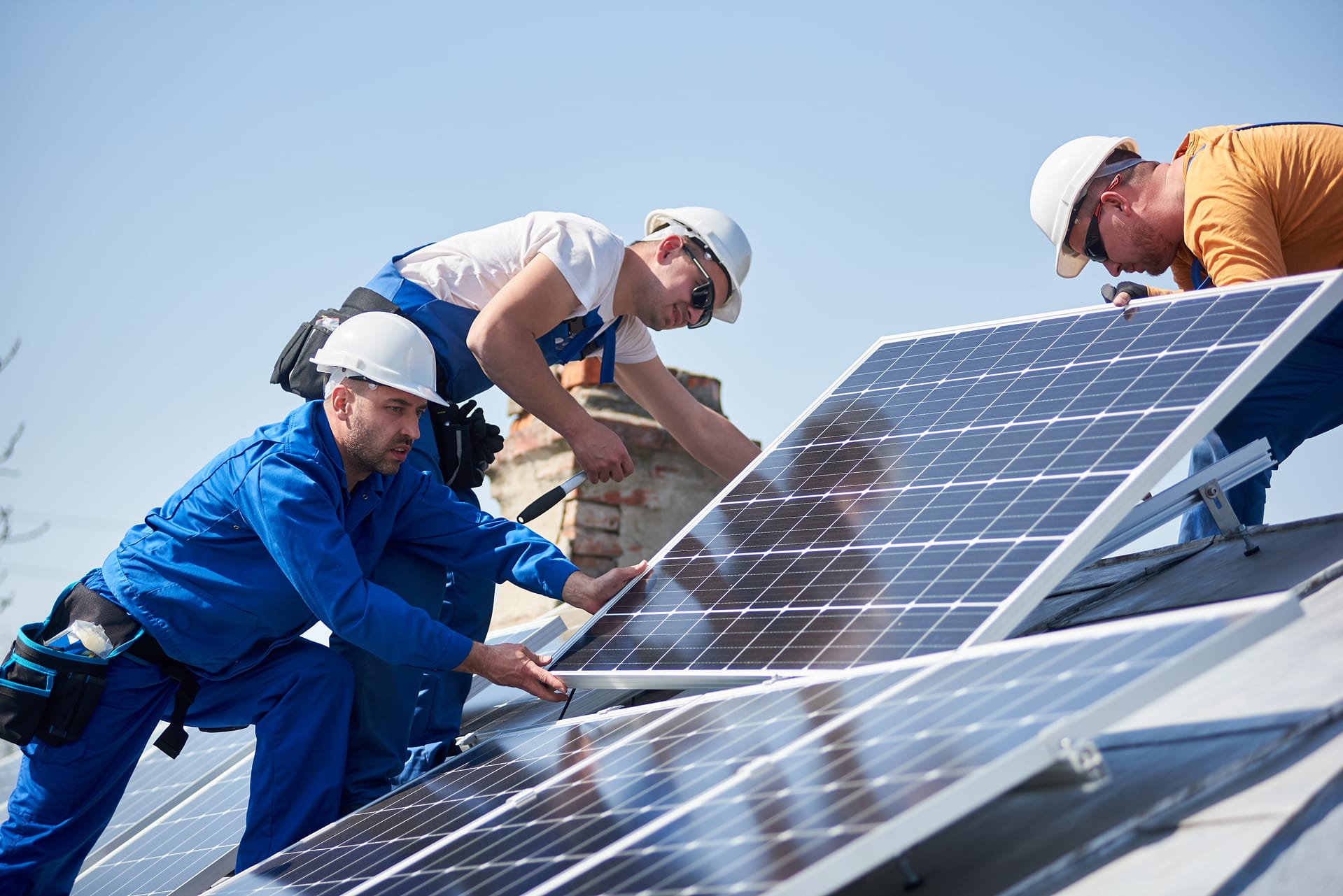
Right, let’s get straight to it. Installing solar panels on your UK home will typically set you back somewhere between £5,000 and £8,000 for a standard 4kW system that handles most family needs. That price covers everything, panels, fitting, inverter, the lot. But honestly, the exact figure bounces around depending on your roof, how much electricity you’re guzzling, and whether you fancy adding batteries to store power for nighttime telly watching.
I’ve been fitting these systems across Britain for over two decades now, and I can tell you the numbers have shifted massively. Back when I started, you’d be looking at nearly double what homes pay today. Competition heated up, technology improved, and suddenly what seemed like a luxury became achievable for regular families trying to escape those eye-watering energy bills.
Breaking Down What You’ll Actually Pay
Here’s where it gets interesting, because not all homes need identical setups. A compact two-bedroom terrace in Norwich won’t require the same kit as a sprawling four-bedroom detached in Surrey. System size matters hugely to your wallet.
For smaller properties, maybe a flat or starter home, you’re looking at roughly £3,800 to £4,600 for a modest 3kW arrangement. That’ll generate around 2,500 kilowatt-hours yearly, which isn’t shabby when you consider most single occupants or couples use less than that. I fitted one of these for a retired couple in Kent last summer, they barely touched the grid during sunny months.
Medium-sized homes, your typical three-bedders, usually need 4 to 5kW capacity. Expect costs between £6,500 and £8,100 with professional installation included. This sweet spot covers most British households perfectly, generating enough juice for washing machines, cooking, charging gadgets, all that daily stuff. One Manchester client laughed when their system powered a rainy barbecue last August, proving panels work even when skies look miserable.
Bigger properties with five bedrooms or massive energy appetites? You’ll need 6kW or more, pushing prices toward £10,000 to £12,200. But the savings scale up too, sometimes slashing annual bills by over £1,200 when you factor in what you’re not buying from the grid.
Why Prices Jump Around So Much?
You know what drives me mad? When people assume every quote should match exactly. Solar installation isn’t like buying identical tins of beans off a shelf, loads of variables mess with the final bill.
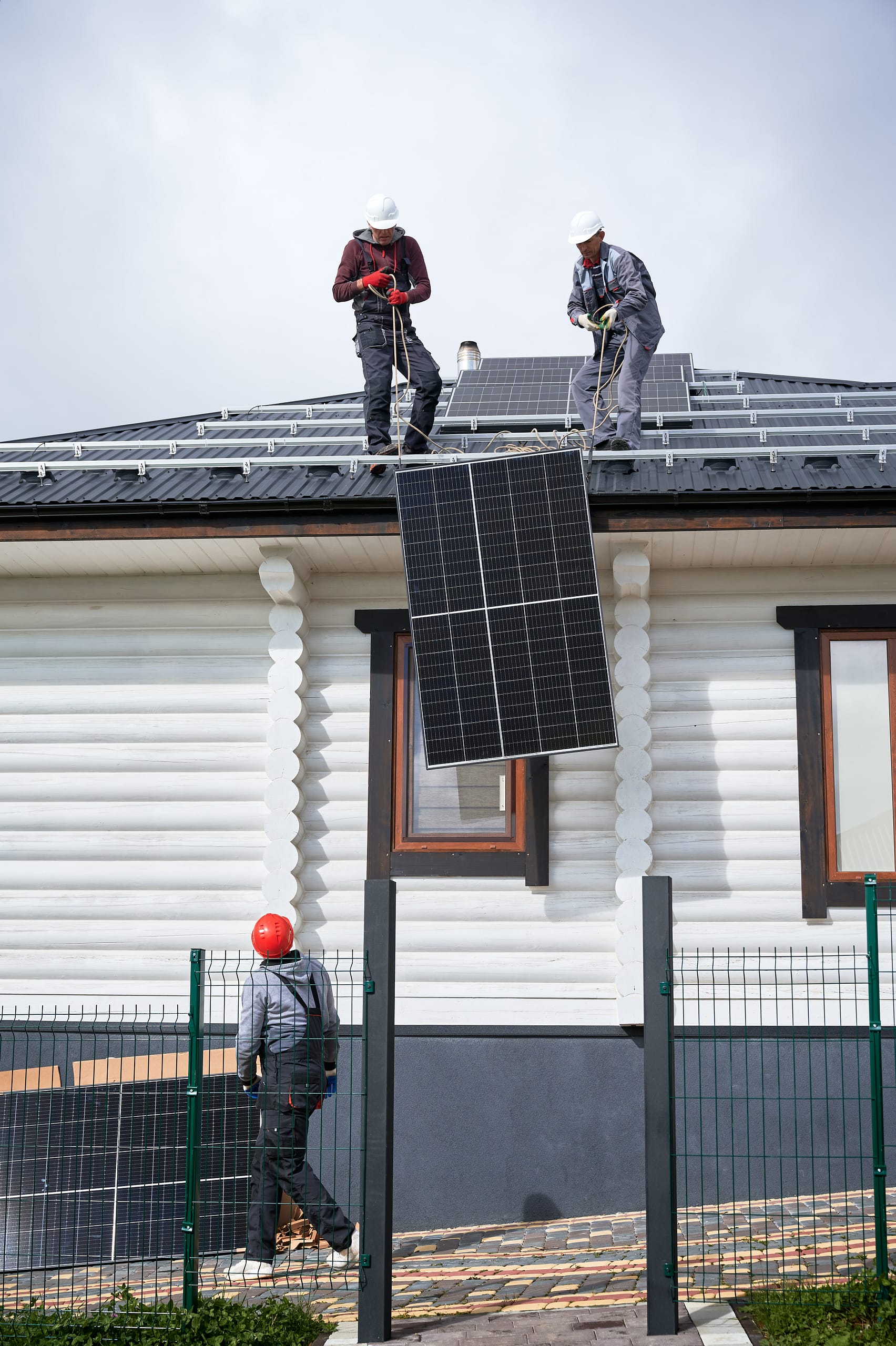
Your roof plays a huge role. Got a simple south-facing pitch that’s easy to access? Lucky you, straightforward fitting keeps labour costs down. But if you’re sporting a complicated roof with multiple angles, skylights, or it’s covered in slate that’s a nightmare to work with, expect installers to charge extra for the headache. I’ve seen quotes jump £1,000 just because scaffolding needed special configurations for a tricky Victorian townhouse.
Panel quality matters too. Monocrystalline panels, the efficient black beauties, cost more per kilowatt than their blue polycrystalline cousins. Thin-film types run cheaper still but honestly, I rarely recommend them for UK homes since they underperform in our climate and don’t last as long. You’re investing for 25-plus years here, cutting corners on panel quality is penny-wise, pound-foolish.
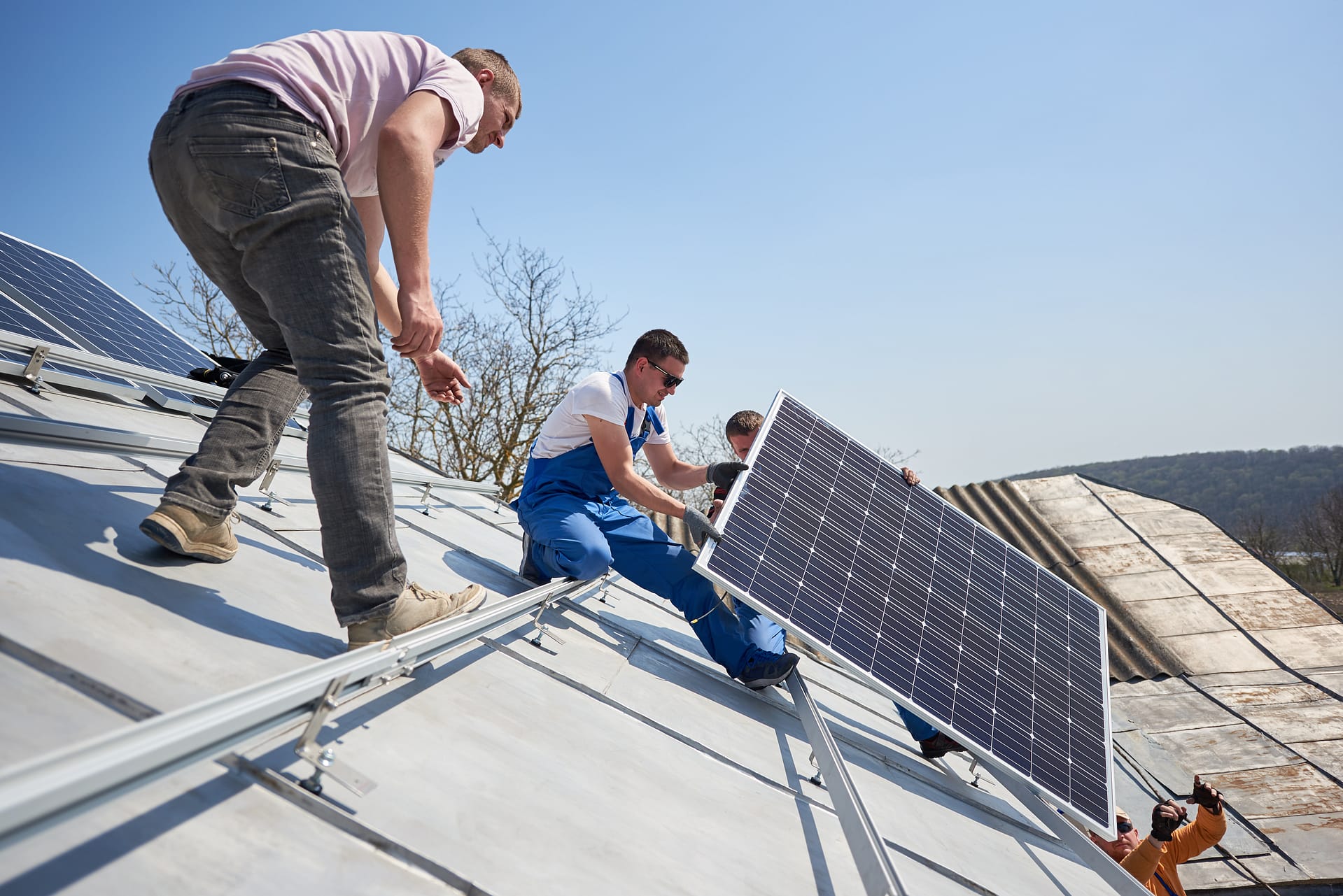
Then there’s labour, which typically runs about £300 daily per installer. A standard residential job takes two to three days with a small crew, so that’s another chunk. And don’t forget electrical work, connecting to your consumer unit, upgrading fuse boards if needed, getting everything certified properly. This isn’t DIY territory unless you fancy voiding warranties and potentially burning your house down.
Adding Battery Storage Changes Everything
Here’s where spending gets spicy. Solar panels alone cost those figures I mentioned, but batteries? Whole different ballgame. A decent 5kWh battery adds roughly £4,000 to £6,000 to your bill.
Why bother? Well, panels generate electricity when the sun’s up, but most folks use power heavily during evenings when they’re home cooking dinner, watching telly, running appliances. Without storage, excess daytime generation flows back to the grid and you only get paid pittance for it through the Smart Export Guarantee. With batteries, you hoard that free electricity and use it after sunset, dramatically boosting what you actually save.
I installed a 4kW system with a 10kWh battery for a family in Birmingham last spring. Total cost hit £14,000, which made them nervous initially. But they’re basically off-grid April through September and their evening usage barely touches the utility company anymore. They’re on track to break even in about twelve years instead of the fifteen-plus they’d face without storage.
Course, batteries aren’t essential. If you’re retired and home all day using power when it’s being generated, you might skip them entirely and save thousands upfront. Horses for courses, really.
What About All These Grants and Incentives?
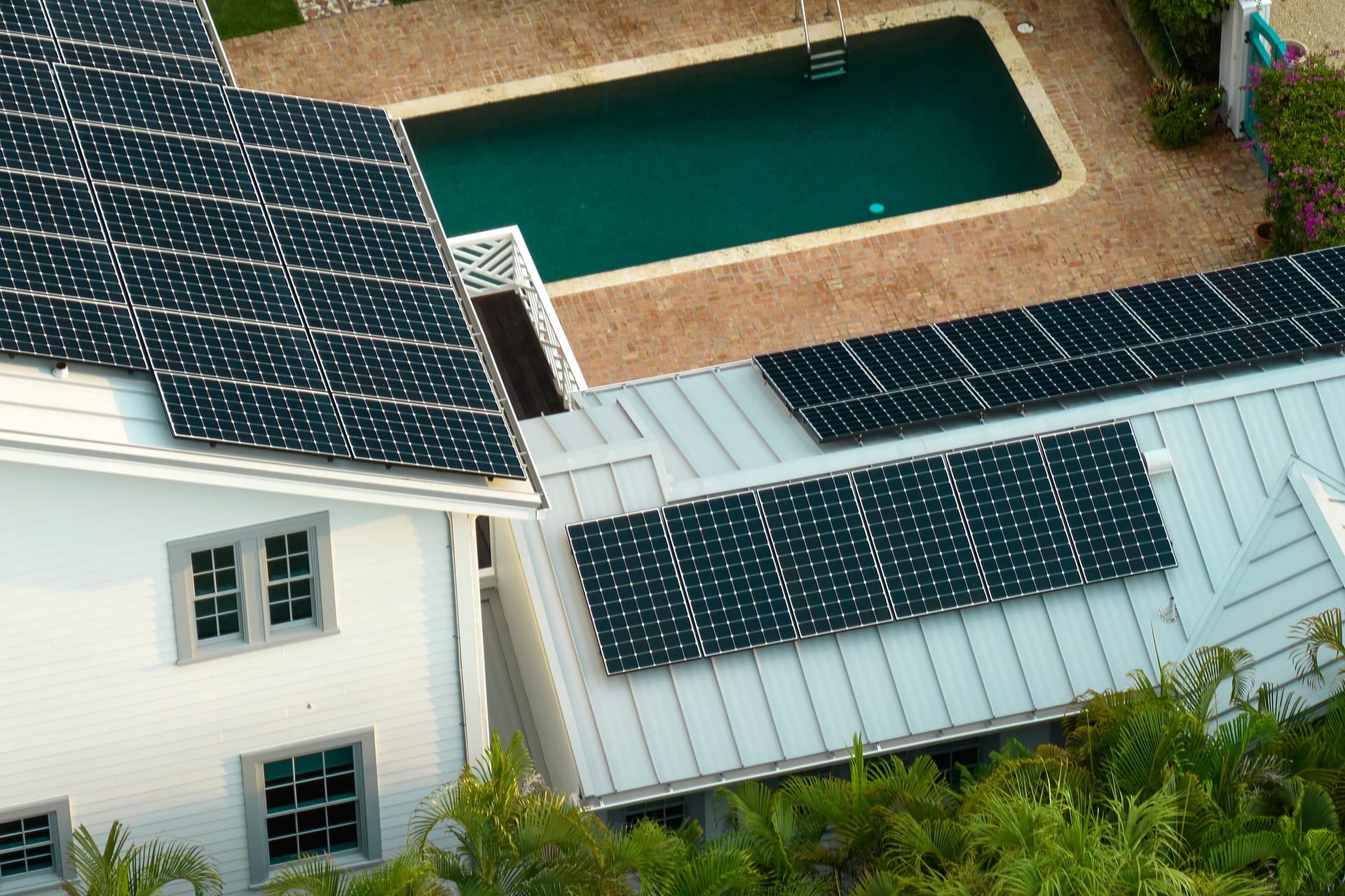
Right, good news here. The government scrapped VAT on solar panels, batteries, and related kit. That 20% saving knocks a substantial amount off, potentially over £2,000 on a typical system. Just happens automatically when you get quotes from MCS-certified installers, no forms to fill.
The ECO4 scheme offers free solar panels if you meet certain criteria, usually related to benefits or low income. Worth investigating if you qualify, because free is unbeatable. I’ve helped several families access this, though eligibility gets tighter each year as budgets shrink.
Then there’s the Smart Export Guarantee, or SEG. Energy companies pay you for surplus electricity fed back to the grid, typically 12 to 15 pence per kilowatt-hour. Not a fortune, but it adds up over years and shortens your payback timeline. Every supplier offers different rates, shop around for the best export tariff even if you buy electricity elsewhere.
How Long Before You’re Actually Saving Money?
Ah, the question everyone asks. Payback periods typically range from eight to twelve years depending on your setup and usage patterns. Sounds like ages, I know, but remember these systems last 25 to 30 years minimum.
A standard 4kW system costing £7,000 might save you £600 annually through reduced bills and SEG payments. Simple maths puts you in profit after about eleven years. Then you’ve got another 15-odd years of essentially free electricity, which is when the real money piles up. Over a full lifespan, we’re talking £15,000 to £30,000+ in total savings.
Batteries accelerate savings if you use power cleverly, but they also increase upfront costs, so payback stretches slightly. One Leeds homeowner I worked with obsesses over her monitoring app, timing dishwasher runs and EV charging to maximise battery usage. She’s knocking two years off her payback compared to my initial estimates just through smart consumption habits.
Energy prices matter hugely too. When bills spiked during that nightmare period recently, payback times halved for some customers because they were avoiding such expensive grid electricity. If prices stay high, which seems likely given everything happening globally, solar becomes an even better bet.
Do These Things Actually Work in British Weather?
Listen, I get this question constantly. “Won’t grey skies ruin everything?” Not really, no. Solar panels need light, not heat. They actually perform better in cold temperatures than scorching ones.
Sure, winter production drops compared to summer, you can’t escape physics. December might give you 25% of what July delivers because days are shorter and the sun’s lower in the sky. But panels still generate on cloudy days, just at reduced efficiency. Modern monocrystalline panels handle diffuse light surprisingly well.
I’ve got panels on my own roof here in East Anglia. Even during proper grim January weather, I’m still producing enough to run basics, and on those rare crisp sunny winter days, output’s brilliant. Snow occasionally covers panels but it usually slides off quickly, and honestly we don’t get that much compared to other countries.
The UK’s mild climate actually helps panels last longer because we avoid the extreme heat and intense UV that degrades systems faster in sunnier countries. British panels typically degrade about 0.3% to 0.5% annually, meaning after 25 years they’re still pumping out 87% to 92% of their original capacity. That’s pretty remarkable durability.
Different Panel Types and What They Mean for Your Pocket
Monocrystalline panels dominate the UK market now, and for good reason. They’re the most efficient option, converting more sunlight into electricity per square meter, which matters when British roofs aren’t massive. Expect to pay £1,000 to £1,500 per kilowatt for these. They’ll last 30 to 40 years easily with minimal degradation.
Polycrystalline panels cost less, around £900 per kW, but they’re slightly less efficient and degrade a bit faster. They’ll still give you 25 to 30 good years, so they’re not rubbish by any means. If your roof’s got loads of space and budget’s tight, they work fine. I’ve installed plenty that perform brilliantly.
Thin-film panels are cheaper still, £400 to £800 per kilowatt, but I rarely suggest them for homes. They need way more space for equivalent output and only last 10 to 20 years. Commercial buildings sometimes use them, but for residential? Stick with crystalline silicon options.
When to Install Solar Panels to Save on Your Energy Bills
Timing matters less than you’d think, honestly. Any month works for installation, though spring and summer mean quicker fitting since weather’s more predictable and scaffolding’s pleasant to work on. But the real question is whether solar suits your situation right now.
If your energy bills are killing your budget and you’ve got a suitable roof, why wait? Prices have stabilized after years of falling, so delaying probably won’t save you much. And every month you wait is another month of paying full price for grid electricity instead of generating your own.
That’s where Best Solar Discounts comes in properly handy. We’ve fitted over 11,000 systems across the UK in our 20-plus years, so we’ve seen every roof type and situation imaginable. Our high-efficiency panels regularly save homeowners more than £500 yearly, and we sort everything, surveys, MCS certification, DNO notifications, SEG registration, the complete package.
Getting a quote through our platform takes minutes, you fill out the quick form with basic details about your property and energy usage. We’ll provide free personalized advice tailored to your specific circumstances, not generic nonsense. Want battery storage? We’ll price that. Worried about your roof condition? We’ll survey it properly before committing you to anything.
The beauty of our service is we handle all the certification headaches. MCS approval, getting Distribution Network Operator sign-off, registering you for Smart Export Guarantee payments, even providing maintenance guides so your system keeps performing optimally for decades. Most installers leave you floundering with paperwork, but we sort it as part of the service because we actually care about your long-term experience.
Plus we’re nationwide, so whether you’re in Cornwall or Scotland, our teams reach you. That consistent quality across regions matters, you’re getting the same thorough approach regardless of postcode. And with 3,500+ reviews from satisfied customers, you can see what real homeowners think instead of trusting marketing fluff.
Conclusion
Solar panel costs aren’t trivial, we’re talking £5,000 to £12,000+ depending on your system size and whether you add batteries. But viewed as a 25-year investment rather than an expense, the maths works for most UK homeowners. You’ll likely save £15,000 to £30,000 over the system’s lifetime while cutting carbon emissions and insulating yourself from future energy price chaos.
The technology’s proven, the warranties protect you, and with zero VAT plus SEG payments, conditions are about as favorable as they’ve ever been. If you’ve been on the fence, now’s genuinely a solid time to get proper quotes and see what solar could do for your specific property and usage patterns. Fill out our quick form to access premium solar solutions and start your journey toward energy independence with expert guidance every step of the way.
Frequently Asked Questions
Are solar panels worth it in the UK?
Yes, solar panels are definitely worth it for most UK households in 2025. A typical 4kW system cuts annual electricity bills by £500 to £700 while generating clean energy for 25-plus years. With falling installation costs, rising energy prices, and government incentives like zero VAT and Smart Export Guarantee payments, payback periods average 8 to 12 years, leaving you with 15+ years of essentially free electricity afterwards. They also boost your home's energy performance rating and reduce carbon emissions by nearly a tonne annually.
How long do solar panels last in the UK?
Solar panels typically last 25 to 30 years in the UK, with premium monocrystalline panels often exceeding 30 to 40 years. The UK's moderate climate actually helps panels last longer than in sunnier countries because lower UV exposure and milder temperatures reduce degradation. Quality panels degrade at just 0.3% to 0.5% annually in British conditions, meaning they'll still produce 87% to 92% of their original output after 25 years. Most manufacturers back this with 25-year performance warranties.
Do solar panels work in winter in the UK?
Yes, solar panels work perfectly well during UK winters, though they produce less electricity than summer months. Cold weather actually boosts panel efficiency since excessive heat reduces performance. The main challenges are shorter daylight hours and increased cloud cover, which can reduce output by 60% to 75% compared to summer, but panels still generate usable power even on grey days. Snow rarely causes issues in the UK because it usually slides off quickly or melts. Clear winter days can produce surprisingly good generation, especially with well-positioned south-facing panels.
How much can you save with solar panels in the UK?
A typical 4kW solar system saves UK homeowners between £500 and £700 annually through reduced electricity bills and Smart Export Guarantee payments. Larger 5-6kW systems can save £1,000+ per year depending on energy usage and consumption patterns. Adding a battery increases savings by 30% to 50% because you can store daytime generation for evening use instead of exporting it at lower rates. Over a 25-year lifespan, total savings typically range from £15,000 to £32,000 depending on system size, energy prices, and usage habits.
What grants are available for solar panels in the UK?
The main solar incentives in the UK for 2025 include zero VAT on solar panels, batteries, and installation, which saves over £2,000 on a typical 4kW system. The ECO4 scheme provides free solar panel installations for eligible low-income households or those receiving certain benefits. The Smart Export Guarantee (SEG) pays homeowners 12p to 15p per kilowatt-hour for surplus electricity exported to the grid, adding £100 to £300 annually depending on system size and export rates. All systems must be installed by MCS-certified installers to qualify for these incentives.


