


Yes, solar panels installed on UK homes are completely exempt from VAT right now. I’ve been fitting panels across Britain for over two decades, and honestly, this is the best tax break I’ve seen in my entire career. You’re paying zero VAT on both the equipment and installation until 31st March 2027, which can save you well over a grand compared to the old days when we had to add 20% tax onto every quote.
The catch? It’s not quite as simple as slapping panels on any roof and calling it tax-free. There are specific rules you need to follow, and after installing more than 11,000 systems nationwide, I’ve seen plenty of homeowners accidentally lose this benefit by making simple mistakes. Let me walk you through exactly what qualifies and what doesn’t, so you can grab these savings while they last.
What’s the Current VAT Rate on Residential Solar Installations?
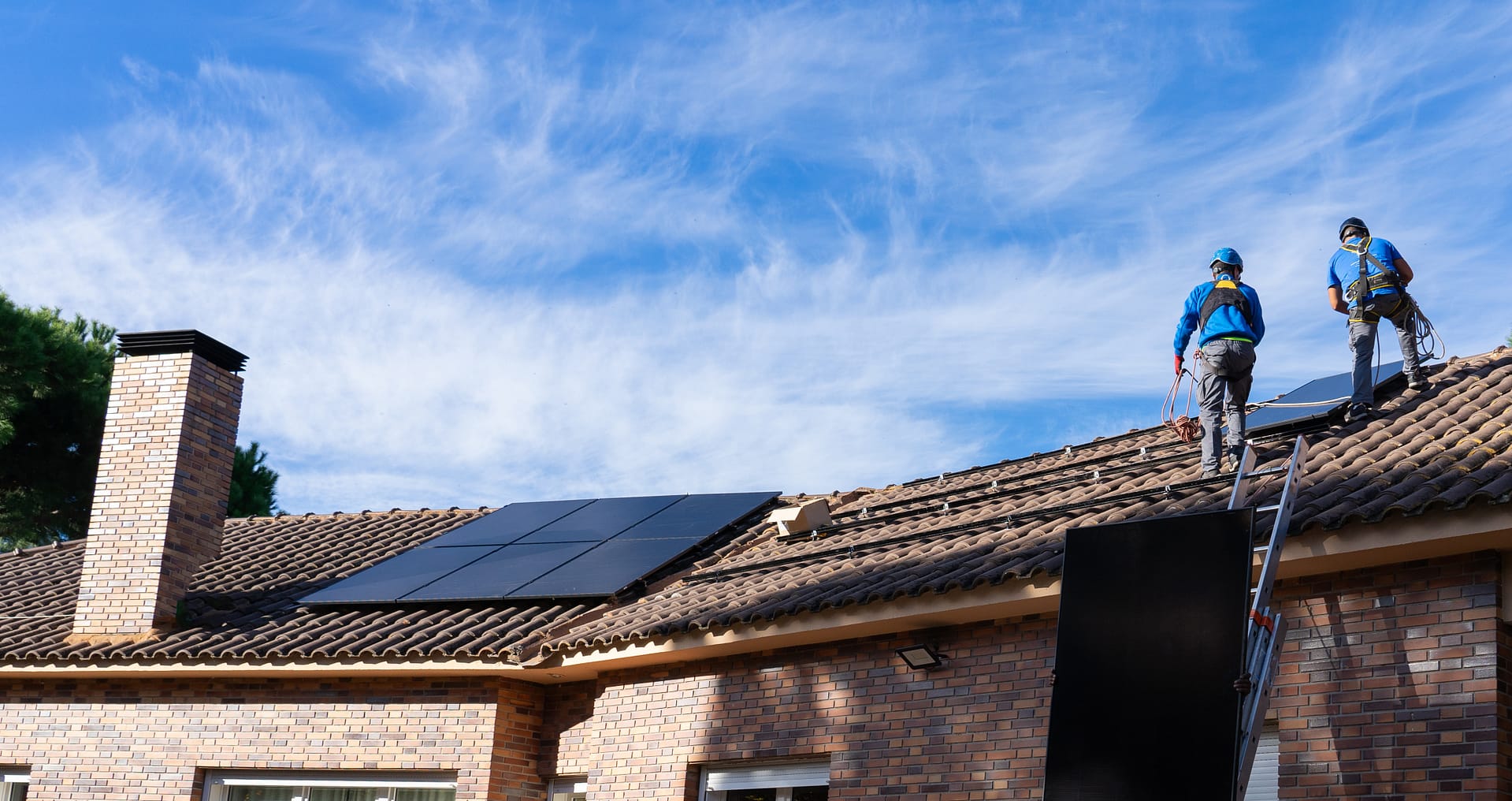
Right now it’s sitting at 0% for homes, which means you’re not charged a single penny in VAT. This applies to everything, the panels themselves, inverters, mounting kit, all the wiring and cables, plus the labour to get it all installed. The government rolled this out in April 2022 for England, Scotland and Wales, then extended it to Northern Ireland in May 2023.
Before this policy landed, we were charging 5% VAT on domestic installations. And before 2022? A brutal 20% on everything. I remember quoting a couple in Leeds back in 2021 for a 4kW system, around £6,000 total, they had to fork out an extra £1,200 just in tax. That same system today? No VAT whatsoever. The difference is massive, cutting hundreds off energy bills yearly without the tax bite eating into savings.
Here’s what makes this even better, it’s not just panels. Your battery storage gets the same treatment since February 2024, whether you’re installing it with new panels or adding it to an existing setup months later. One Manchester client laughed when their retrofitted battery powered through a grid outage during a rainy BBQ last summer, all tax-free. Want to see how much you could save with a personalised quote? Fill out our quick form for no-obligation advice from UK solar experts who’ve been doing this since before VAT breaks were even a thing.
Who Actually Qualifies for the Zero VAT Relief?
Not everyone gets this freebie automatically. Your property needs to be residential, meaning houses, flats, bungalows where people actually live. Holiday homes count. Care homes and student accommodation can qualify too if they’re classed as residential use. But stick panels on your warehouse or office block? You’re paying full 20% commercial VAT, no exceptions.
The panels must be brand new, not secondhand or salvaged from another roof. I’ve had folks ring me asking if they can buy used panels off eBay to save cash, then get me to install them. Nope, that triggers the standard 20% rate on everything. Plus you lose warranty protection and performance guarantees, so it’s a false economy.
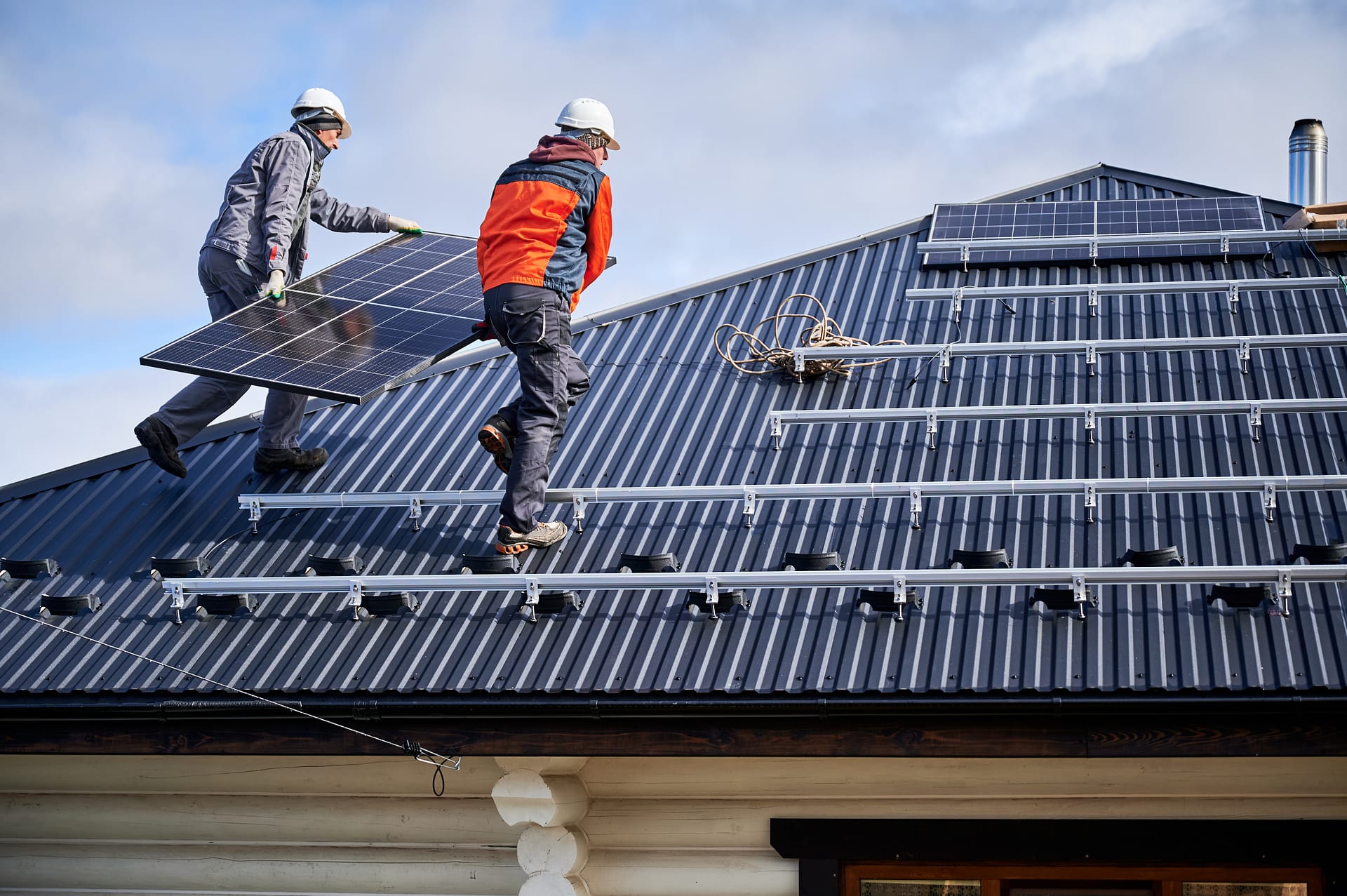
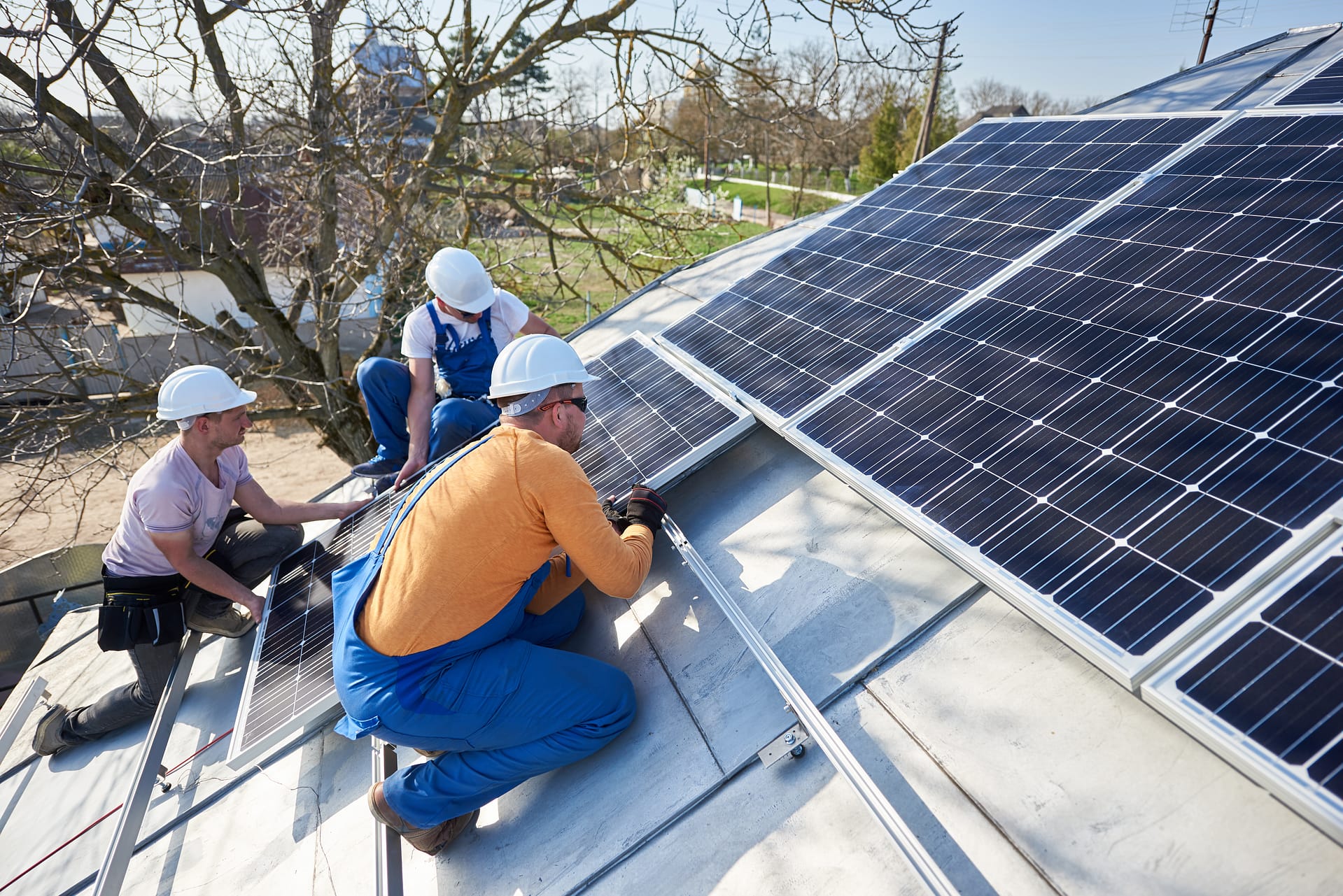
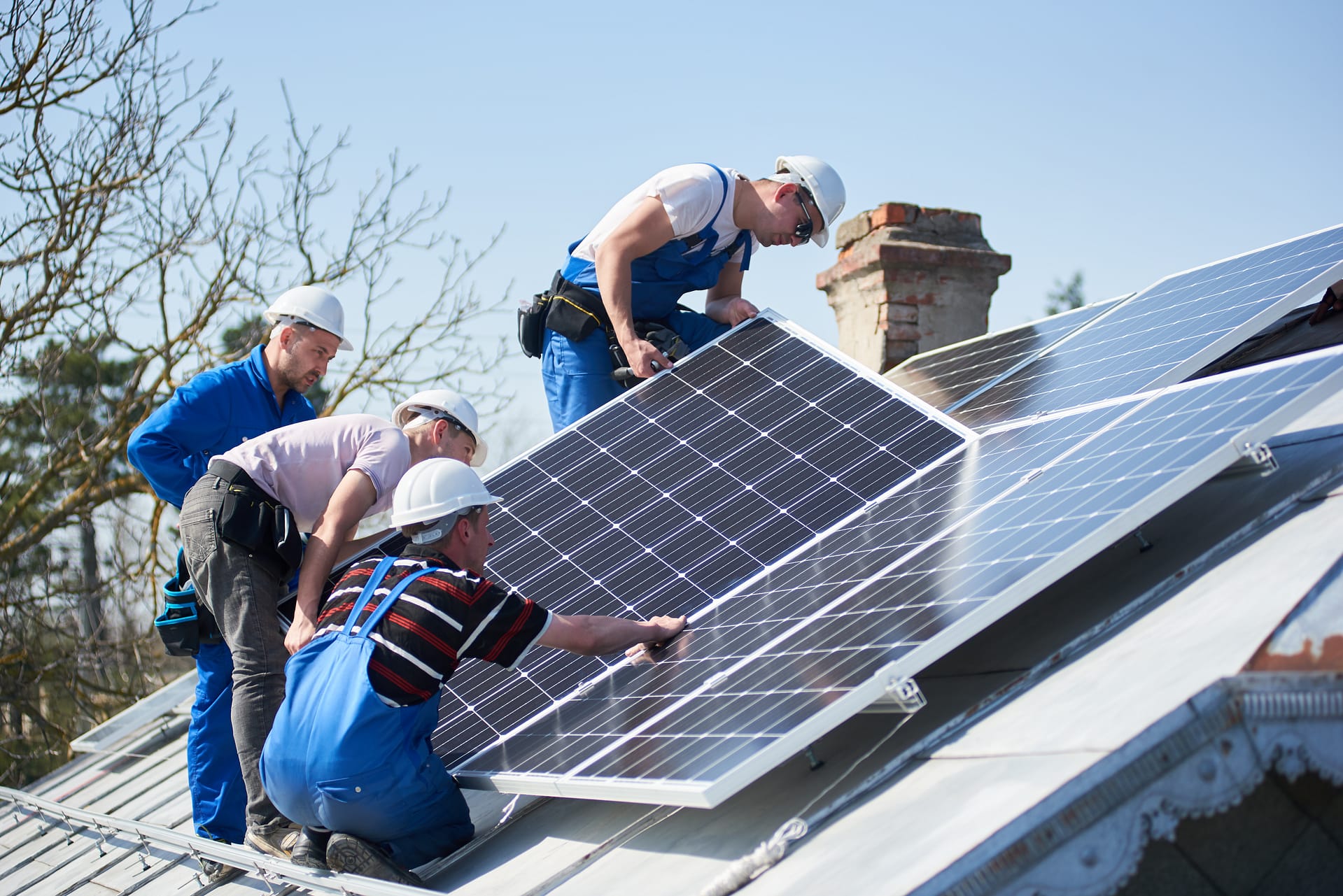
Installation has to be done by an MCS-registered installer like us. The MCS (Microgeneration Certification Scheme) is the quality standard that proves we know what we’re doing. Without MCS certification, your installer can’t apply the zero rate. They also can’t register your system for government incentives like the Smart Export Guarantee, which pays you for surplus power. And here’s the kicker, you must buy the kit and installation from the same company. Buy panels from one supplier and hire a different sparky to fit them? Back to 20% VAT on both transactions.
When Does This Tax Exemption Actually End?
Mark your calendars, 31st March 2027. That’s when the 0% rate expires across the UK. After that date, VAT jumps to 5% on solar installations, still lower than the standard rate but nowhere near as sweet as zero. Whether the government extends it beyond 2027 depends on uptake rates and political priorities around net-zero targets.
I’m seeing a lot of homeowners rushing to lock in quotes before the deadline, especially with energy costs still volatile. A typical 3.5kW system that costs £5,500 today will cost you an extra £275 in VAT come April 2027. Not catastrophic, but why pay more if you don’t have to? Getting your installation done in 2025 or 2026 means you capture the full savings.
One Norwich family I worked with last month had been dithering for three years about going solar. When they finally realised the VAT exemption had a shelf life, they signed up within a week. Their system’s already generating power and they’ve dodged that future tax hike entirely. If you’re sitting on the fence, fill out our quick online form now to get free personalised advice and a no-obligation quote before the tax landscape shifts.

Do Solar Batteries Get the Same VAT Treatment?
Yes, and this is relatively new. Solar batteries qualified for 0% VAT from the start in April 2022, but only if you installed them at the same time as your panels. Then in February 2024, the rules changed. Now you can install standalone battery storage or retrofit a battery to an existing solar system and still pay zero VAT.
This was a game-changer for thousands of homeowners who went solar years ago before batteries were affordable. They can now add storage without any tax penalty. The batteries let you store daytime solar generation for use after dark, potentially doubling your savings compared to panels alone. I fitted a 10kWh battery to a Birmingham semi last autumn, their evening grid consumption dropped by 70% almost overnight.
Battery systems include all the necessary controllers, inverters if needed, and installation labour, all covered by the zero rate. Smart diverters that push excess solar into hot water tanks also qualify. It’s basically a blanket exemption for anything that stores or intelligently manages solar power in your home. Want to explore battery options? Our rapid quote system covers high-efficiency panels plus battery storage, all MCS-certified and VAT-free until 2027.
What Are the Exceptions and Loopholes to Watch?
Commercial properties are the big one. If you’re a business owner wanting panels on your shop, factory or office, you’re paying 20% VAT on everything. However, VAT-registered businesses can usually reclaim that VAT through their quarterly returns, so it’s not as painful as it sounds. Non-VAT-registered small businesses under the £90,000 turnover threshold can’t reclaim it, which makes the effective cost higher.
Charitable buildings got added to the exemption in February 2024. Churches, community centres and other charity-run buildings can now get zero-rated installations if the building is used exclusively for charitable purposes. That’s opened up solar for a lot of organisations who couldn’t justify the cost before.
Buying components separately kills the exemption. If you purchase panels from one retailer and hire a different installer, both transactions attract 20% VAT. DIY installations? You’ll pay full VAT on all materials because you’re not using a registered installer to supply and fit in one package. I worked out that on a £5,000 equipment purchase, the £1,000 VAT you’d pay buying it yourself nearly covers the cost of professional labour anyway, so it’s mad not to use a certified company.
Repairs and maintenance after installation also get charged at standard 20% VAT. So if your inverter fails three years down the line and needs replacing, there’s VAT on that repair work. Initial installation only. Secondhand panels and equipment always attract 20% VAT, no way around it. You know what? Just get a proper quote from an MCS installer who supplies everything new, it’s the cleanest route.
How This Compares to What Businesses Pay
It’s night and day, honestly. Residential installations pay 0% while commercial properties pay the full 20% rate on panels, batteries, mounting gear and labour. For a £20,000 commercial system, that’s an extra £4,000 in VAT straightaway. The silver lining for most businesses is VAT reclaim, if you’re VAT-registered and your business makes taxable sales, you claim back that £4,000 on your next return.
But it gets complicated if your business deals in VAT-exempt activities like financial services or healthcare. You might not be able to reclaim all the VAT on solar, which hurts your return on investment. Small businesses under the VAT threshold can’t reclaim anything, so they’re essentially paying 20% more than domestic customers for identical kit.
There’s also a weird situation with mixed-use properties. If you’ve got a building that’s part residential and part commercial, like a shop with a flat above it, the VAT treatment depends on how the solar generation is used. It gets messy fast, you need specialist advice for those edge cases. For pure residential installs though, it’s beautifully simple, zero VAT, end of story.

When to Install Solar Panels to Save on Your Energy Bills
Right now is genuinely the sweet spot. You’ve got the 0% VAT window open until March 2027, energy prices that are still elevated compared to historical norms, and solar technology that’s more efficient and affordable than ever. I’ve been in this industry since before feed-in tariffs existed, and I can tell you the payback periods we’re seeing today are the shortest I’ve witnessed.
At Best Solar Discounts, we’ve helped over 11,000 UK homeowners make the switch with our high-efficiency panels that typically slash annual energy bills by £500 or more. Our nationwide service means rapid quotes wherever you are, from Cornwall to the Scottish Highlands. We provide free on-site surveys to assess your roof, shading and orientation, then design a system optimised for your specific location and energy usage patterns.
Our MCS certification guarantees you’ll qualify for the 0% VAT rate and gives you access to the Smart Export Guarantee payments for surplus generation. We handle all the paperwork, DNO notifications and compliance certifications so there’s minimal disruption to your daily routine. Battery storage options mean you can maximise self-consumption and cut grid reliance even further, all VAT-free.
Every installation comes with maintenance guides and ongoing support from genuine solar experts, not just salespeople who’ve done a weekend course. We’ve completed installations on terraced houses in tight city streets, sprawling rural properties with tricky roof pitches, and everything in between over our 20+ years. Fill out our quick form today for a no-obligation quote with personalised energy advice that most other installers won’t provide, it takes two minutes and could save you thousands.
Conclusion
Solar panels installed on UK residential properties are completely exempt from VAT until 31st March 2027, saving you over £1,000 compared to standard taxation. The zero rate covers panels, batteries, inverters and installation labour, but you must use an MCS-certified installer who supplies and fits everything as one package. Commercial properties still pay 20% VAT, though many businesses can reclaim it. After March 2027, VAT rises to 5%, so acting now locks in maximum savings while energy costs remain high. With two decades of nationwide experience and over 11,000 satisfied customers, we’ve got the expertise to guide you through the process and optimise your system for British weather and local incentives.
FAQs
Is there VAT on solar panels in the UK?
No, there's currently 0% VAT on solar panel installations for residential properties across England, Scotland, Wales and Northern Ireland until 31st March 2027. Both the equipment and installation labour are zero-rated if you use an MCS-certified installer who supplies and fits the system together. After March 2027, the rate increases to 5%, still lower than the standard 20% but not as beneficial as the current exemption.
Do you pay VAT on solar batteries?
No, solar batteries qualify for 0% VAT when installed on residential properties. Since February 2024, this includes standalone battery installations and retrofitted batteries added to existing solar systems, not just batteries installed alongside new panels. The exemption covers the battery unit, controllers, additional inverters if needed, and installation labour until 31st March 2027.
Are commercial solar panels exempt from VAT?
No, commercial solar panel installations are charged at the standard 20% VAT rate. The zero-rate exemption only applies to residential properties and buildings used for relevant charitable purposes. However, VAT-registered businesses that make taxable supplies can typically reclaim the VAT paid on solar installations through their quarterly VAT returns, which mitigates the initial cost.
When does the solar panel VAT exemption end?
The 0% VAT rate on solar panels and batteries ends on 31st March 2027 across the entire UK. From 1st April 2027, the VAT rate increases to 5% for residential installations. There's currently no indication the government will extend the 0% period beyond this date, though this could change depending on adoption rates and progress towards net-zero targets.
Do I need to apply for the VAT reduction on solar panels?
No, the 0% VAT rate is automatically applied to qualifying solar panel installations. You don't need to fill out any special forms or submit applications to HMRC. As long as you meet the eligibility criteria (residential property, new equipment, MCS-certified installer supplying and installing together), the zero rate is applied automatically to your invoice. If your installer is charging you VAT on a residential installation, question whether they're properly MCS-certified and following the correct procedures.


