

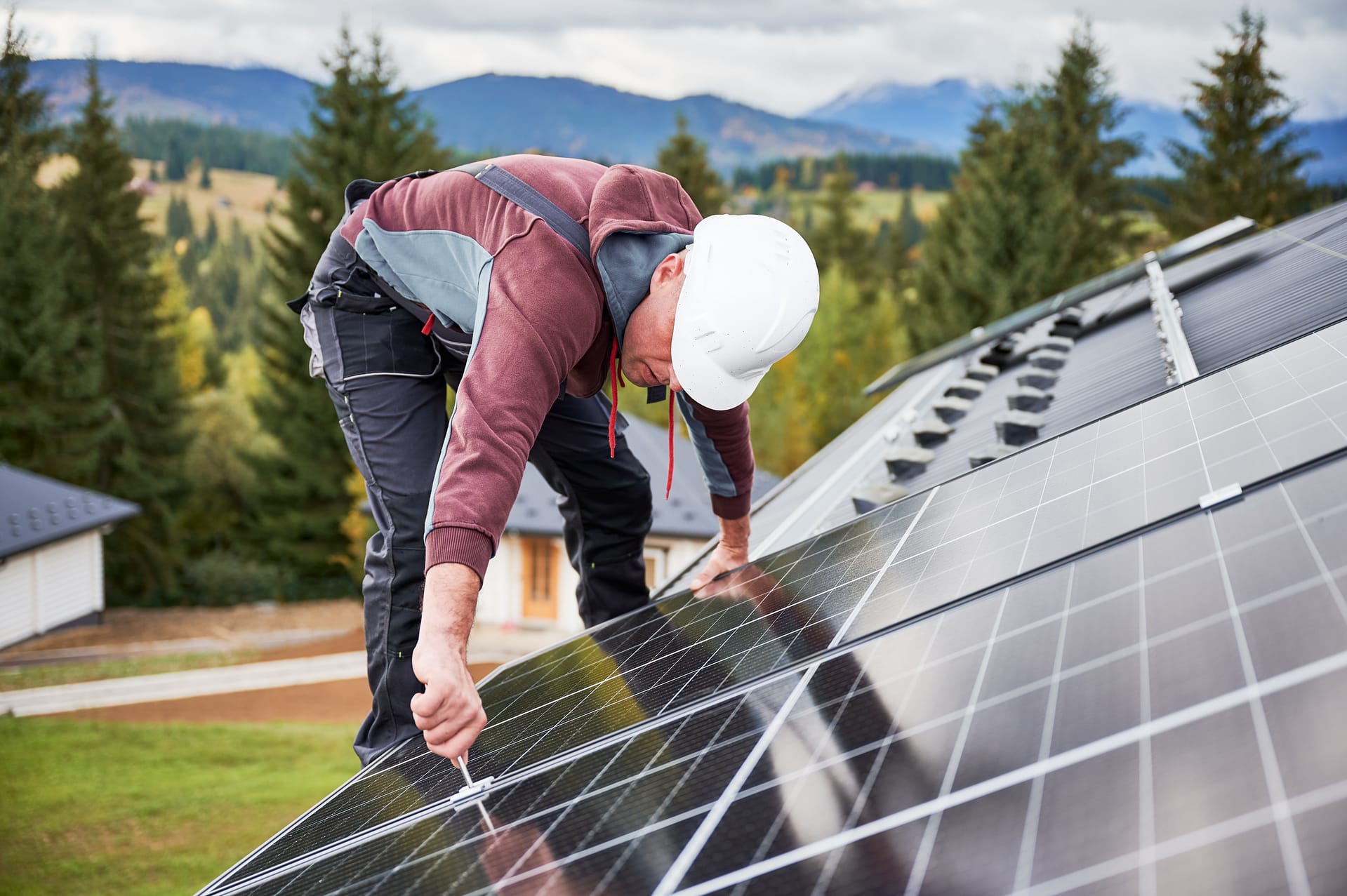
Honestly, if I had a quid for every time a homeowner nervously asked me this over a cup of tea, I’d have retired to the Costa del Sol by now. Just last week, a chap in Manchester, let’s call him Dave, was properly sweating it. He was convinced his roof full of shiny new PV panels would scare off buyers like a damp patch in the living room. “They’re complex, aren’t they?” he muttered, eyeing the grey clouds rolling in over Old Trafford. “People just want simple.”
Here’s the truth, straight from 20 years of climbing roofs and 11,000 installs: It’s not hard to sell a house with solar panels, if you’ve got your paperwork sorted. In fact, with energy prices doing their best impression of a rocket launch, a well-maintained system is usually a massive selling point. But, and it’s a big but, it can get messy if you’re tangled up in an old “rent-a-roof” lease scheme.
So, let’s cut through the waffle. As someone who’s seen the good, the bad, and the absolutely shocking wiring jobs, here is everything you need to know to flog your solar-powered castle without losing your hair.
The Real Deal: Do Solar Panels Make Selling Harder?
Short answer? No. Long answer? It depends on who owns them.
Back in the day, solar was a bit of a novelty, like those avocado bathroom suites in the 70s. Now? It’s mainstream. Buyers aren’t just looking for granite worktops anymore; they’re asking about Energy Performance Certificates (EPCs) and how much the house costs to run in December.
I remember one couple in Surrey who sold their place in four days purely because the buyer, a young tech-savvy lad, saw the smart meter spinning backwards. He was chuffed. He did the maths right there in the kitchen and realised he’d save hundreds a year.
However, there are valid worries. Some buyers panic about maintenance or old tech. If your inverter is buzzing like a trapped wasp or the panels look like they’ve been installed by a cowboy with a ladder and a prayer, yeah, that’s going to be a hurdle. But for a standard, modern system owned outright? You’re looking at a quicker sale, not a slower one.
Owned vs. Leased: The Big Legal Difference
This is where the rubber meets the road. Or the tile meets the bracket.
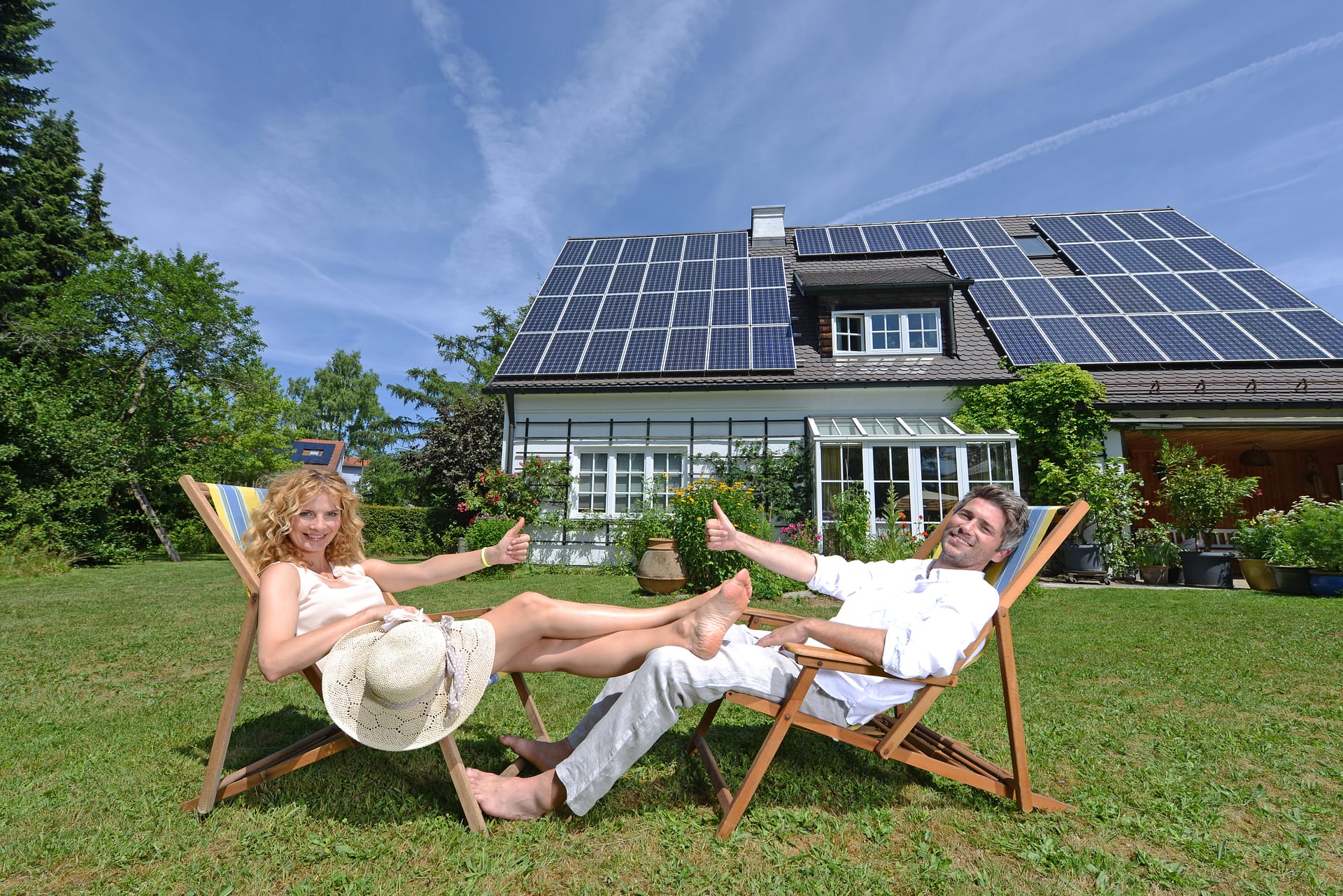
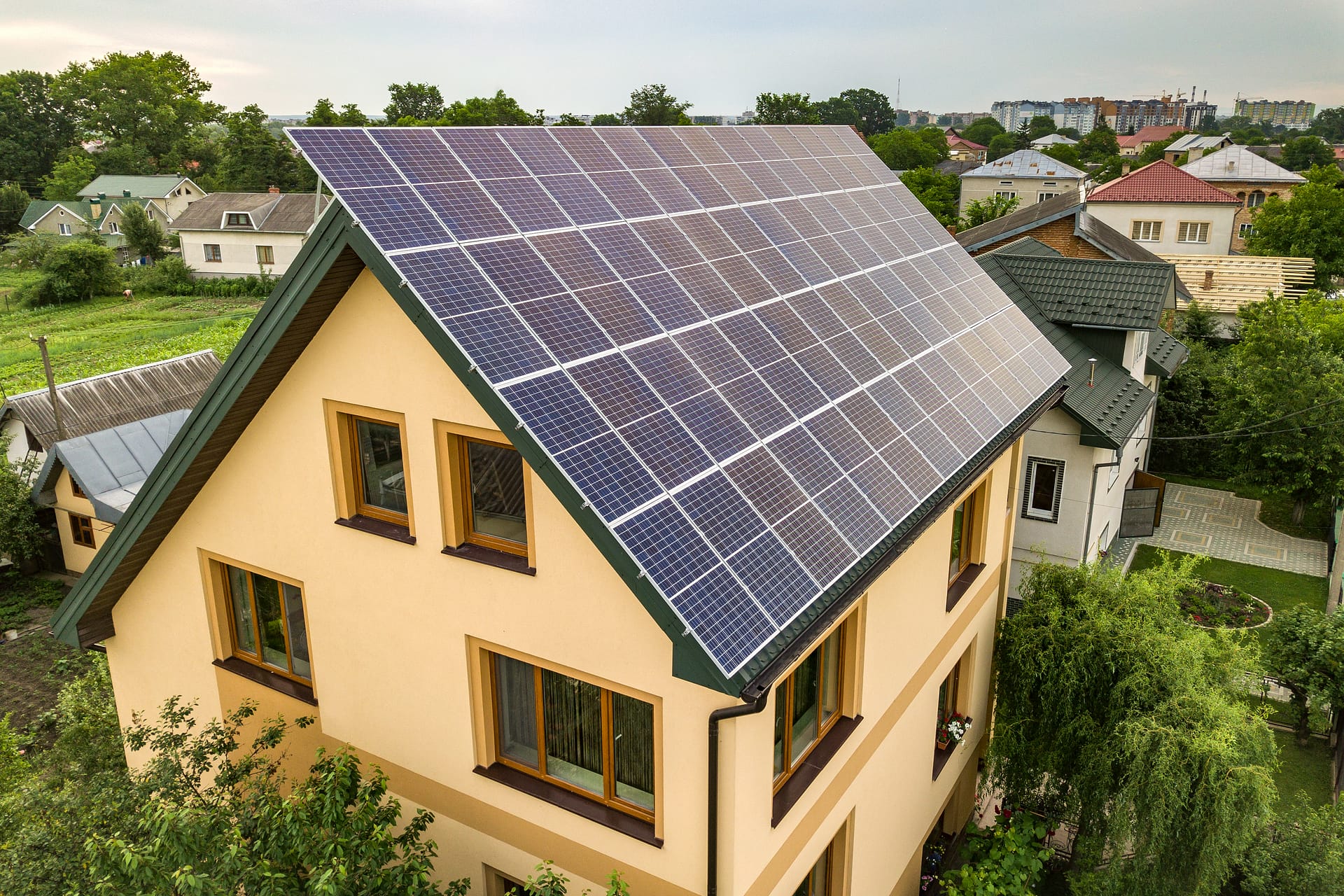
If you own your panels outright, you are golden. The panels are considered a fixture, just like a fancy boiler or a conservatory. You simply sell the house, and the panels (and the free electricity) go with it. Easy peasy.
The headache starts if you have leased panels. You might remember those “free solar” offers from 10-15 years ago? Companies would install panels for free in exchange for keeping the Feed-in Tariff (FiT) payments for 25 years. Effectively, they leased your roof space.
Selling a house with a leased roof can be a proper faff.
Mortgage Nightmares: Some lenders get twitchy about leases because it technically means a third party has rights over the roof.
Missing Paperwork: Half those installation companies have gone bust. Good luck finding “SolarDave Ltd” from 2011 to get a lease transfer signature.
Buyout Clauses: I’ve seen contracts where you have to pay thousands to break the lease if the new buyer doesn’t want it.
If you’re in a lease, don’t panic. It’s solvable, usually with an indemnity policy or by tracking down the successor company. But you need to flag this with your solicitor immediately, not the week before exchange.
Does Solar Actually Boost Your Home’s Value?
You’ll hear all sorts of numbers thrown about. Some estate agents will tell you it adds nothing; others claim it adds 14%. In my experience, the truth is somewhere in the middle, usually around 4.1% to 10%, depending on where you live.
Think about it. If you’re buying a house in Cornwall versus a flat in gloomy Glasgow, the value of solar hits different. But universally, a higher EPC rating boosts value. Moving a house from a D to a C rating can add thousands to the sale price alone.
I once installed a 4kW system for a family in Leeds. Three years later, they sold up. The buyer explicitly told the estate agent they offered £5k over asking price because the house had battery storage and they wouldn’t have to worry about grid outages. It’s not just about the panels; it’s about energy security. In a world where bills are scary, a house that generates its own juice is a premium asset.
Tips for a Smooth Sale with Solar
Okay, you want that “SOLD” sign up fast. Here is my cheat sheet for making your solar setup irresistible:
Dig Out the MCS Certificate: The Microgeneration Certification Scheme (MCS) certificate is proof your install isn’t a bodge job. Buyers’ solicitors will ask for this. If you can’t find it, contact the MCS helpdesk ASAP.
Show Me the Money: Don’t just say “it saves energy.” Print out your last 12 months of bills. Show the graph dropping in summer. If you get Smart Export Guarantee (SEG) payments, show those bank deposits. Hard numbers kill doubt.
Check the Warranty: Is the inverter still under warranty? If it’s got 5 years left, that’s peace of mind for the buyer. Put that paperwork front and centre during viewings.
Clean Them! You wouldn’t sell a car covered in mud. Get a window cleaner to give the panels a once-over with pure water. Shiny panels look efficient; mossy panels look like a liability.
When to Install Solar Panels to Save on Your Energy Bills
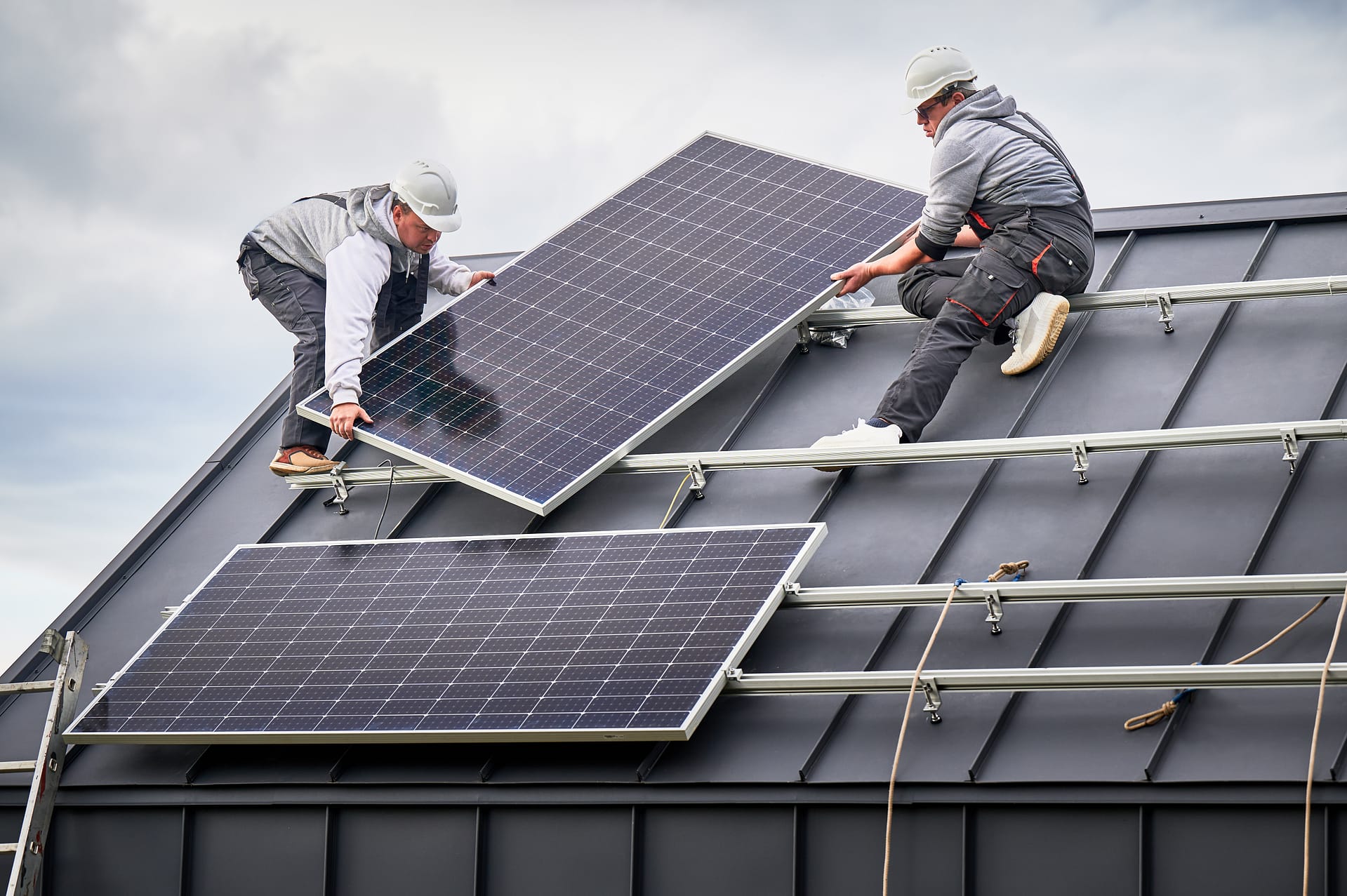
If you’re reading this and thinking, “Well, I’m not selling yet, I just want to stop paying through the nose for electricity,” then timing is everything.
The best time to install is yesterday. The second best time is now. Why? Because energy prices aren’t getting any friendlier, and every day you wait is literal daylight burning away.
At Best Solar Discounts, we don’t just slap panels on a roof and wave goodbye. We know that every UK home is different, different roof angles, different shading from that big oak tree next door, different usage habits.
We Slash Bills: Our high-efficiency systems are designed to cut bills by more than £500 annually, often much more if you add a battery.
No Cowboys: We are fully MCS certified. No dodgy leases, no “rent-a-roof” nonsense. You own the kit, you keep the savings.
Speed: We can get you a nationwide rapid quote and a free survey often within days, not months.
If you’re curious about what your roof could generate, don’t guess. Get a no-obligation quote online with solar energy advice by filling out our quick form. You’ll get access to premium solar PV solutions, battery options, and savings projections tailored to your specific postcode. Plus, we’re one of the few who offer free maintenance guides to keep your system purring for decades.
Conclusion
Selling a house with solar panels in the UK isn’t the nightmare some folks make it out to be. It’s actually a massive opportunity to stand out in a crowded market. Sure, if you’re stuck in an old lease, you’ve got some admin to do, but for the vast majority of homeowners, it’s a green tick in the “Pro” column. Buyers want lower bills, and you’re handing them the keys to a mini power station. Just keep your paperwork tidy, keep the panels clean, and be ready to show off those savings.
FAQs
Do solar panels devalue a house UK?
Generally, no. In fact, research suggests they can increase property value by up to 14% or sell for 4.1% more than comparable homes without them. The only exception is if the panels are unsightly, poorly installed, or tied into a restrictive lease that scares off mortgage lenders.
Do I need an MCS certificate to sell my house?
Legally, you don’t need it to sell, but practically, you really do. The buyer’s solicitor will almost certainly ask for it to prove the installation complies with UK regulations. Without it, the buyer might demand a price reduction to cover the risk of a non-compliant system.
What happens to my Feed-in Tariff when I sell?
The Feed-in Tariff (FiT) stays with the property, not the person. When you move, you transfer the ownership of the system to the new buyer, and they will start receiving the payments. It’s a nice sweetener to help close the deal!.
Can I take my solar panels with me when I move?
Technically yes, but it’s rarely worth it. The cost of scaffolding, uninstallation, roof repairs, and re-installation at the new house is huge. Plus, you’d leave your old house with potential roof damage and a lower EPC rating, which could hurt your sale price. It’s usually better to leave them and install a brand new, more efficient system at your new place.
Is it harder to get a mortgage on a house with solar panels?
If the panels are owned outright, it has zero negative impact on mortgages. If the panels are leased, some lenders have strict criteria. They need to ensure the lease complies with the Council of Mortgage Lenders (CML) guidelines. Most modern leases do, but older ones can be tricky and might limit the buyer’s choice of lenders.


