


Look, I’ve been in this game for 20 years, and if I had a pound for every time a customer asked me this, I’d have retired to the Costa del Sol by now. It’s the classic debate: is it better to have 2 100W solar panels or 1 200W beast? On paper, the math looks identical. 100 plus 100 equals 200. Simple, right? Well, not exactly.
In the real world, especially here in the UK where we’re dealing with more grey clouds than we’d like to admit—the answer isn’t just about the numbers. It’s about your roof space, your wiring patience, and what happens when a seagull decides to park itself on your panel. Whether you’re kitting out a shed, a camper, or looking into a proper residential array, the choice between two smaller units or one large slab can completely change your system’s efficiency.
I remember a chap in Leeds, Dave, who swore by buying smaller panels because they were “easier to carry up the ladder.” He wasn’t wrong, but he spent three extra hours wiring them all up. Meanwhile, another client in Bristol slapped a single large panel down in twenty minutes and was brewing tea while Dave was still crimping cables. Honestly, there isn’t a one-size-fits-all answer, but there is definitely a right answer for your specific setup. Let’s break it down properly.
Space and Installation: The Reality of Roof Real Estate
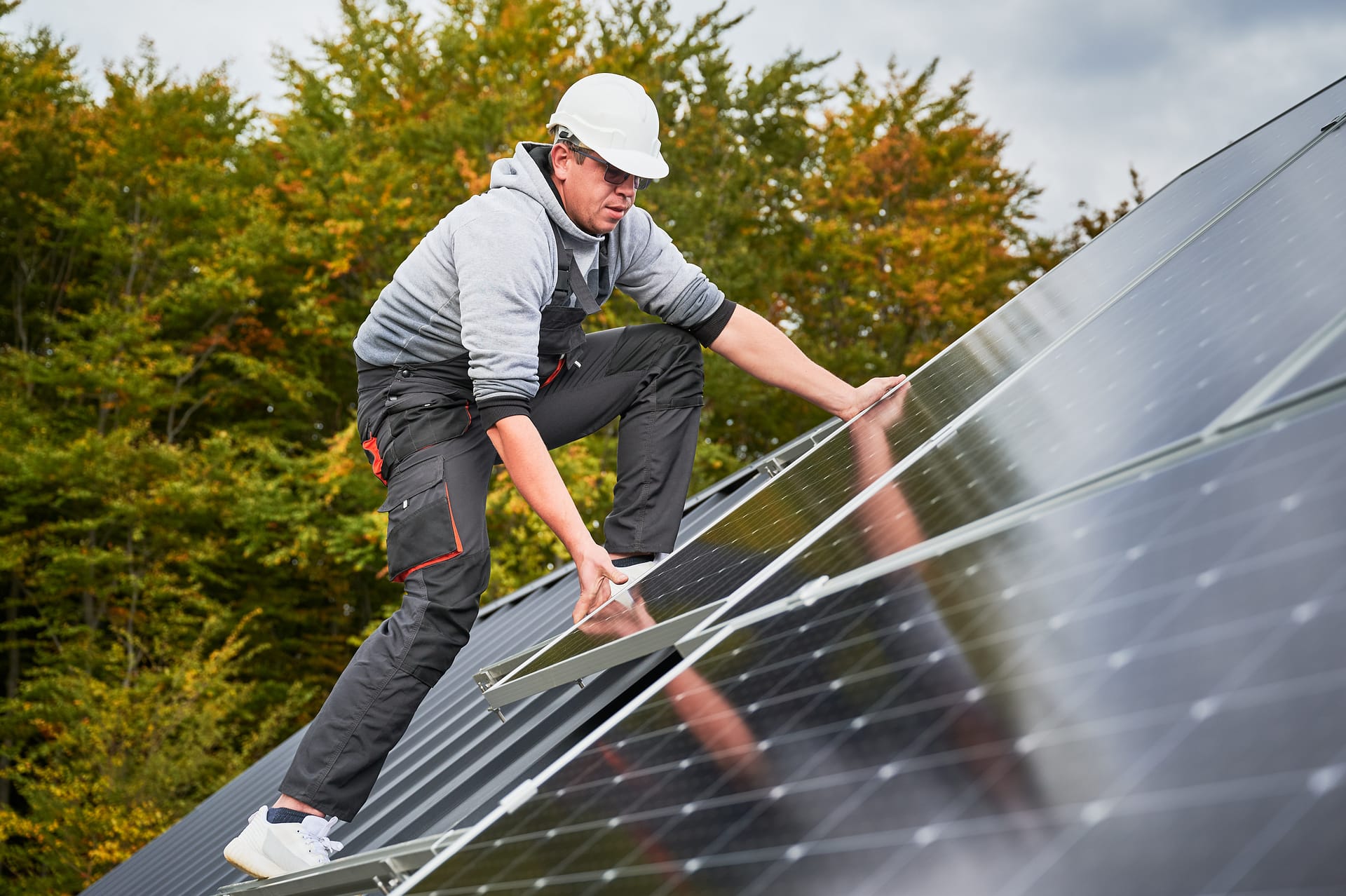
When you’re staring at a blank roof, size matters. A single 200W panel is generally more space-efficient than two 100W panels. Why? Because with two panels, you have that annoying gap in the middle. You need space for the mounting clamps, the frames, and a little breathing room for thermal expansion. If you’re tight on space, one big block of glass is usually the winner. It’s cleaner, sleeker, and leaves you less clutter to look at.
However, physical dimensions can be tricky. I once had a job on a weirdly shaped cottage roof in Cornwall. A massive 200W panel physically wouldn’t fit between the dormer window and the chimney stack. It was a nightmare. We switched to two 100W panels, and suddenly we could slot them in like a game of Tetris. One went portrait, the other landscape. If your roof has odd angles or obstacles like vents and skylights, the flexibility of two smaller panels is a lifesaver. You can split them up to maximize the available area.
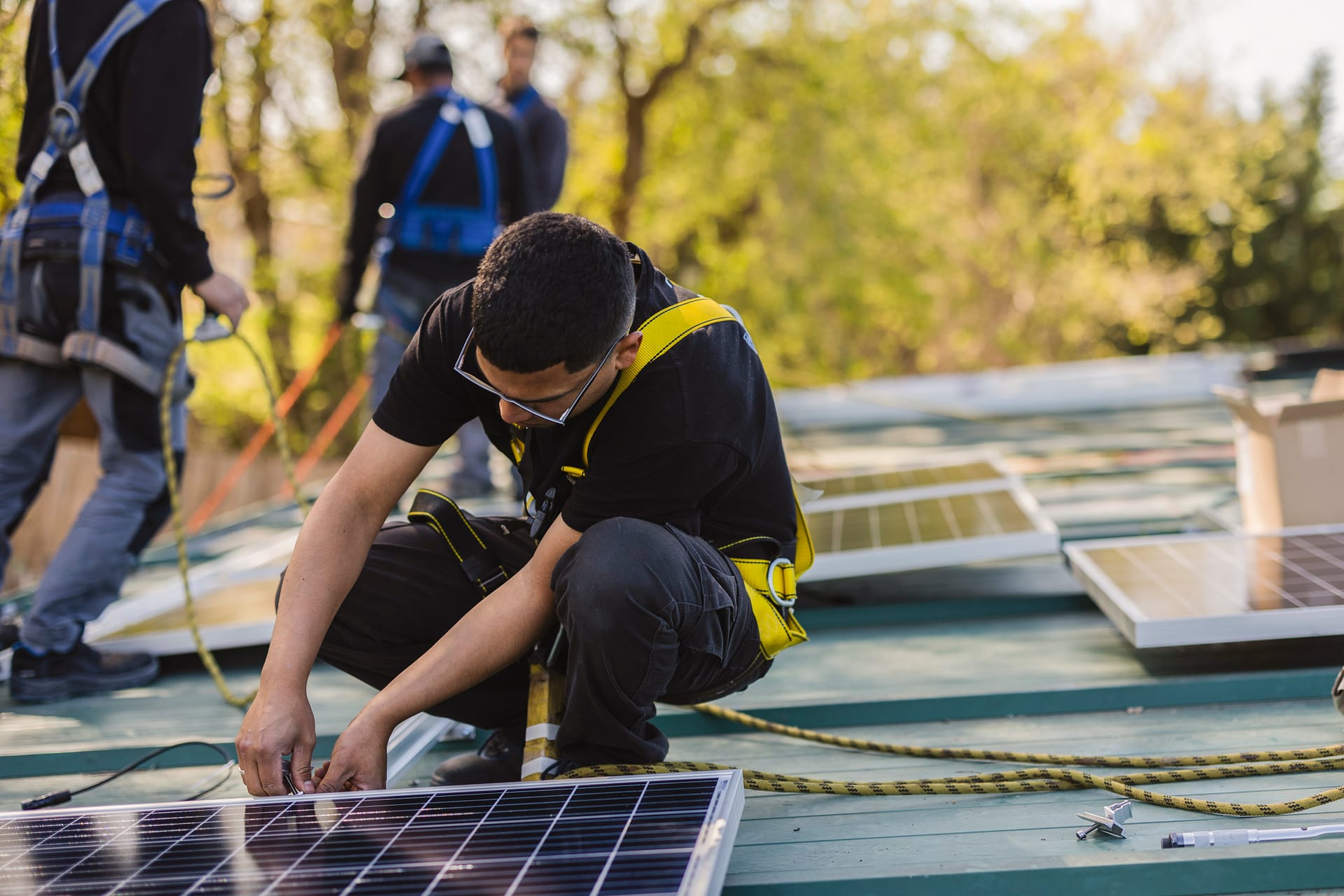
Then there’s the weight factor. A 200W panel can be a bit of a sail if you’re trying to lug it up a ladder on a windy day. Two 100W panels are much more manageable for a solo installer. But remember, installing two panels means twice the drilling, twice the brackets, and twice the holes in your roof. If you hate the idea of turning your waterproof roof into Swiss cheese, stick to the single panel.
Beating the British Weather: Shading and Redundancy
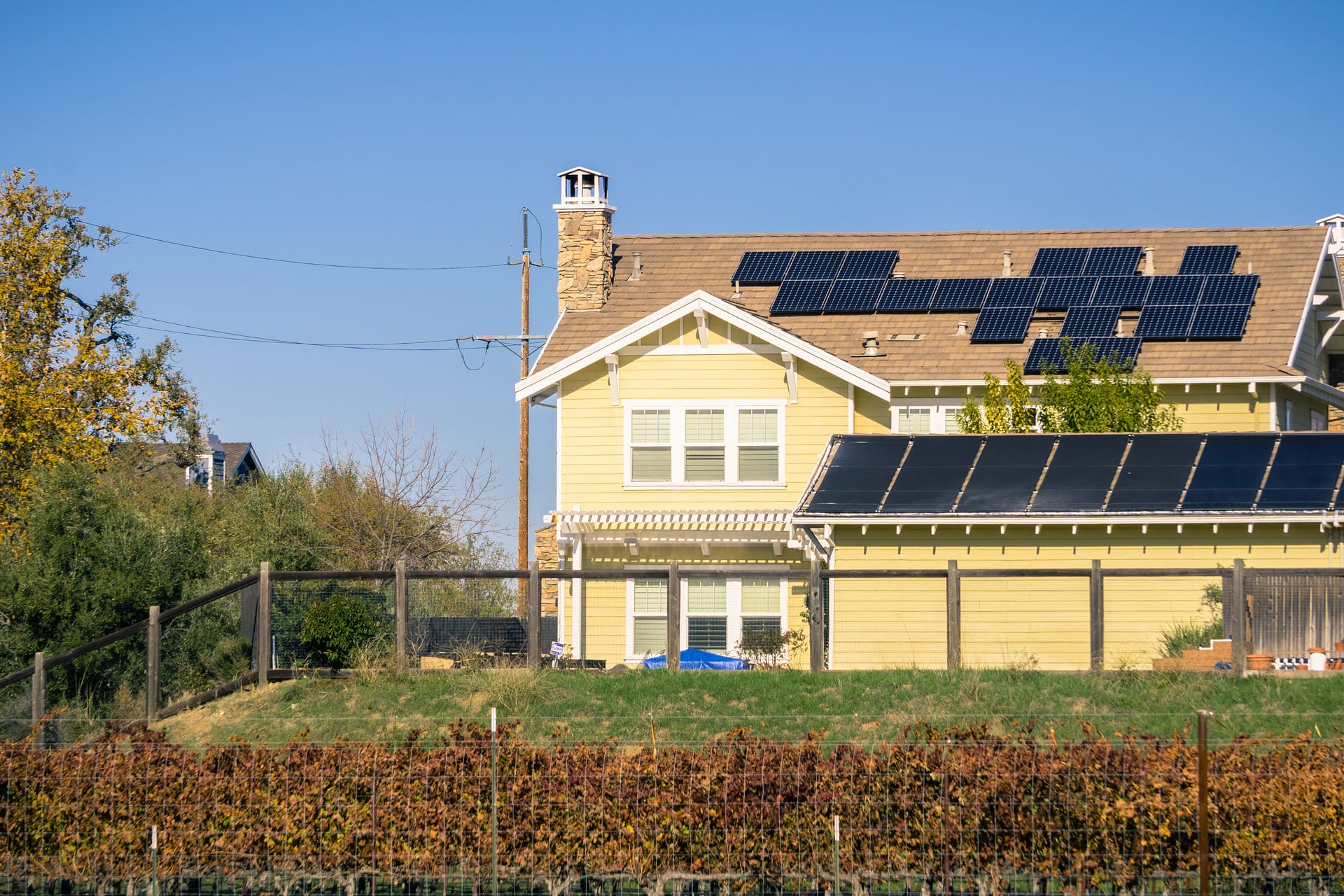
This is where things get interesting, and it’s usually the deciding factor for my UK customers. We don’t get California sun; we get “bright intervals.” Shading is your enemy. If a single 200W panel gets partially shaded, say, by a falling leaf or that one stubborn branch your neighbour refuses to cut, the output of the entire panel can drop significantly. It’s like standing on a hosepipe; the whole flow stops.
With two 100W panels, you have a bit of insurance. If one panel is in the shade, the other one can still pump out full power (assuming you’ve wired them correctly, which we’ll get to). It’s redundancy. If a cricket ball cracks one of your 100W panels, you’re still generating 50% of your power. If your single 200W panel breaks, you’re in the dark. I had a client, Sarah, whose single large panel failed right before a winter storm. She had zero power for her emergency lights. If she’d had two smaller ones, she would’ve at least had enough juice to keep the essentials running.
That said, modern panels are getting better at handling shade with bypass diodes, but physically separating the panels is still the ultimate shade-buster. If you can mount one 100W panel where it gets morning sun and the other where it gets afternoon sun, you’ll get a smoother, longer power curve throughout the day compared to one big panel that peaks and troughs all at once.

The Technical Bit: Voltage, Wiring, and Complexity
I’ll try not to bore you with the physics, but this part is crucial. When you have two panels, you have a choice: Series or Parallel. Wiring in series increases the voltage, which is brilliant for MPPT controllers as it helps them start generating power earlier in the morning. Two 100W panels in series might give you 40 volts, whereas a single 200W panel might only give you 20 volts. In low-light UK winter mornings, that higher voltage can wake up your inverter sooner.
However, wiring two panels means more cables, more connectors, and more potential failure points. Every connection is a place where water can eventually get in or a wire can come loose. A single 200W panel is plug-and-play. Two wires, positive and negative, and you’re done. It’s cleaner and typically safer for a DIY enthusiast.
There is a catch with high voltage, though. If you’re using a basic PWM controller (the cheaper ones), you don’t want high voltage because the controller just throws the excess away. In that case, a single 200W panel (or two 100W in parallel) matches a 12V battery system much better. But honestly, if you’re serious about solar, you should be using an MPPT controller anyway, in which case the flexibility of two panels in series is often the superior technical choice.
Cost Analysis: Is One Giant Panel Cheaper Than Two?
Money talks, doesn’t it? Generally speaking, one 200W panel is cheaper than buying two 100W panels. Manufacturers have to use less aluminium framing, less glass, and fewer junction boxes for a single large unit. When you buy two smaller ones, you’re paying for double the manufacturing overheads.
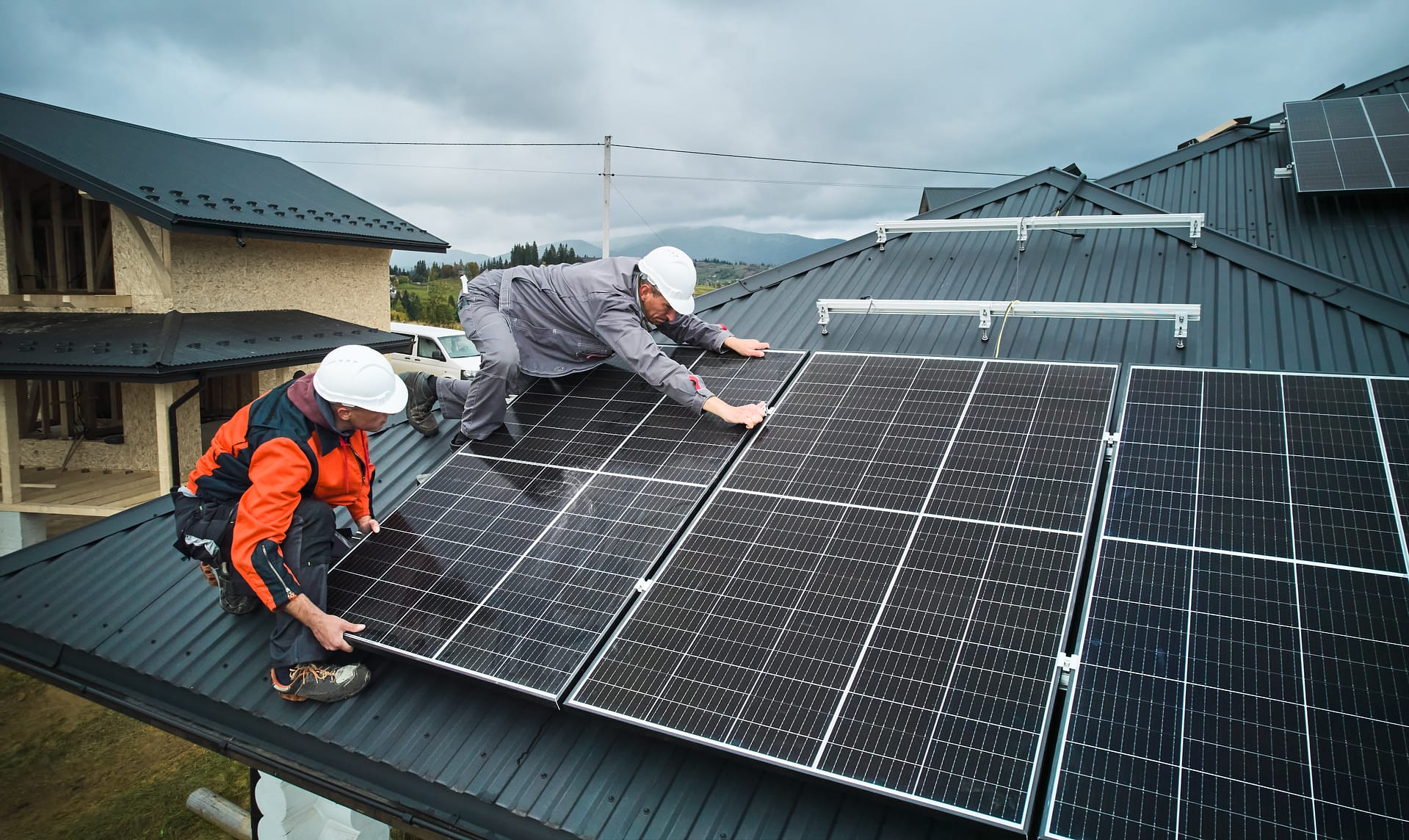
You also have to factor in the “hidden” costs. Two panels mean buying two sets of Z-brackets or mounting rails. It means twice the bolts and potentially a Y-branch connector if you’re wiring in parallel. These little bits add up. I’d say roughly, you end up paying about 20% more for the privilege of having two separate panels.
But value isn’t just about the upfront price. Think about replacement costs. If that single expensive 200W panel dies out of warranty, you have to fork out for a whole new one. If one of your cheap 100W panels dies, you only replace half the system. It’s a bit of a gamble. Personally, for a budget build, I usually steer people toward the single large panel unless they have a specific reason (like shading) to split them up.
When to Install Solar Panels to Save on Your Energy Bills
While fiddling with 100W and 200W panels is great for sheds and campervans, if you’re looking to seriously slash your household energy bills, we need to talk about a different scale. You aren’t going to run a washing machine on 200W. For a proper home system that protects you from rising caps, you need high-efficiency arrays that generate kilowatts, not just watts.
At Best Solar Discounts, we specialize in systems that actually make a dent in your ledger.
Save £500+ annually: Our tailored systems are designed to cut your grid reliance immediately.
MCS Certified: We don’t just slap panels on; we are fully certified, ensuring you qualify for SEG (Smart Export Guarantee) payments so you get paid for the excess energy you don’t use.
Free Survey: We don’t guess. We offer nationwide rapid quotes and free surveys to assess exactly what your roof needs.
If you’re tired of guessing whether two small panels or one big one will boil your kettle, let us design a proper solution for you. You can get a no-obligation online quote with solar energy advice by filling out our quick form. We’ll even throw in a maintenance guide that most installers charge for.
Frequently Asked Questions
Do two 100W panels produce the same energy as one 200W panel?
Ideally, yes. Both setups total 200 watts of potential output. However, in practice, two 100W panels might perform slightly better in low light if wired in series due to higher voltage, or better in partial shade if wired in parallel.
Is it better to wire 100W panels in series or parallel?
For UK weather, series is often better if you have an MPPT controller, as the higher voltage helps start charging earlier in the day. Parallel is better if one panel is likely to be shaded, as it stops the shaded panel from dragging down the performance of the other one.
What can a 200W solar panel run in the UK?
A 200W panel can comfortably run LED lights, charge phones/laptops, and power a small 12V fridge cooler during summer. It won't run high-power appliances like microwaves, kettles, or heaters.
Do 200W solar panels work on cloudy days?
Yes, but efficiency drops. On a heavy grey UK day, a 200W panel might only produce 10-20% of its rated power (20-40W). This is why we often recommend oversizing your array to compensate for our weather.
Can I mix different wattage solar panels later?
It's not recommended. If you mix a 100W and a 200W panel, the system will be dragged down to the performance of the weakest panel (if in series) or lose voltage efficiency (if in parallel). It's always best to match your panels exactly.


