


If you’re a UK homeowner staring at your energy bills and wondering whether solar panels could actually make a dent, you’re asking the right question. How many solar panels will I need to run a house? It’s not a one-size-fits-all answer, but it’s not rocket science either. Most homes in the UK, whether you’re in a two-bed terrace in Leeds or a four-bed semi in Kent, will need somewhere between 8 and 13 panels to cover the bulk of their electricity use. That’s assuming you’re using modern 350W or 450W panels, which are pretty much the standard now. But honestly, the number depends on your household’s appetite for electricity, how much sunshine hits your roof, and whether you’re trying to go fully off-grid or just chip away at those sky-high bills.
At Best Solar Discounts, we’ve been installing solar systems across the UK for over 20 years. We’ve done more than 11,000 installations, from compact flats in Norwich to sprawling farmhouses in Cornwall, and we’ve learned one thing, every roof tells a different story. Some need six panels. Others need sixteen. The trick is figuring out what your home actually needs, not what a generic online calculator spits out. Let’s dig into the details.
How Many Solar Panels Does the Average UK Home Actually Need?
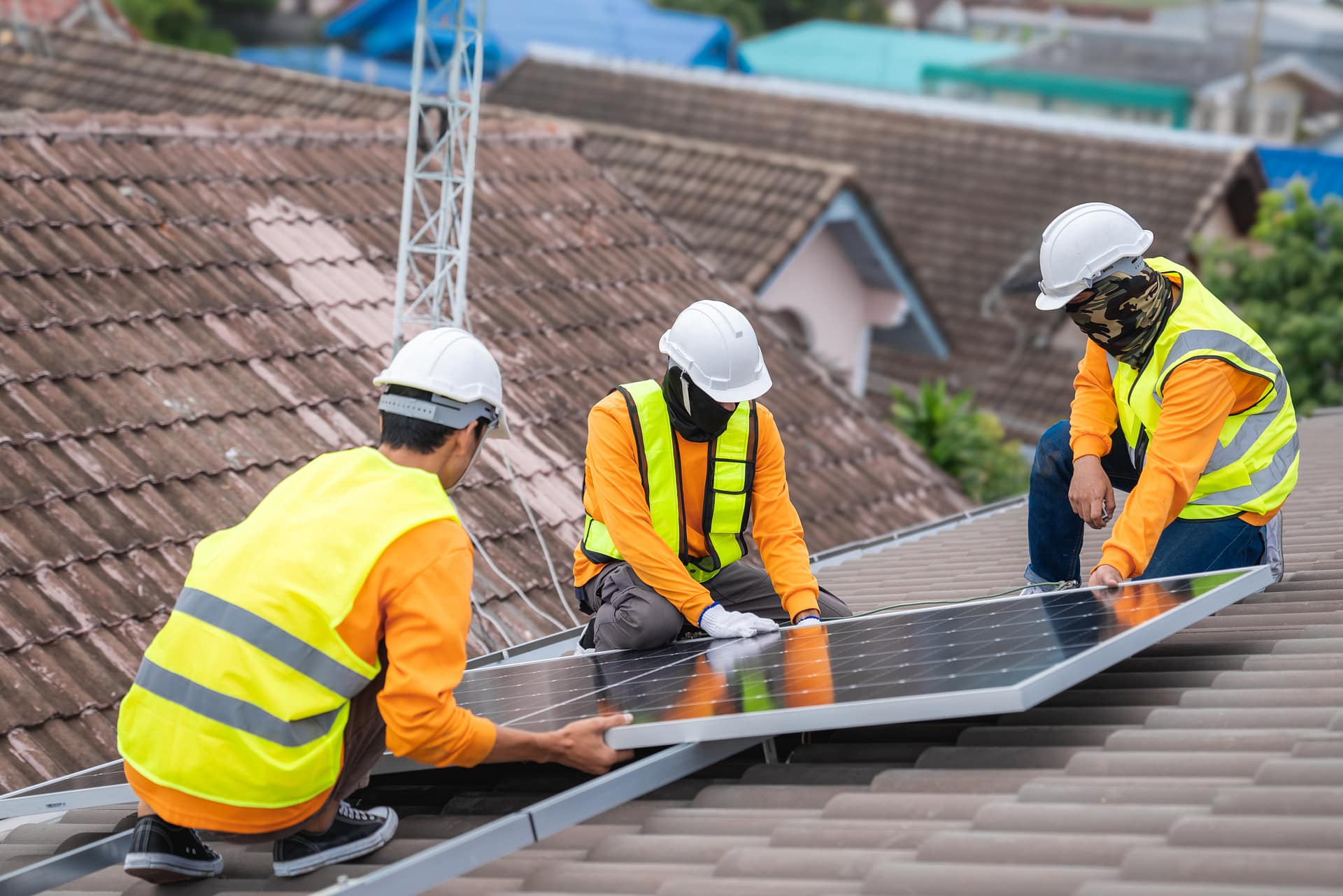
Right, let’s get straight to it. The typical UK household uses around 2,700 kWh of electricity per year, according to Ofgem. That’s the baseline. If you’re a family of four in a three-bedroom house, you’re probably sitting right around that figure, maybe a bit higher if you’ve got teenagers who refuse to turn the lights off. To offset that 2,700 kWh, you’d need a solar system between 4 kW and 5 kW, which translates to roughly 10 to 13 panels if you’re using 350W panels, or 8 to 10 panels if you opt for the beefier 450W ones.
Now, if you’re in a smaller one or two-bedroom place, you’re probably using closer to 1,800 kWh annually, so you could get away with 4 to 8 panels. Bigger homes, the four or five-bedroom jobs, can easily hit 4,100 kWh a year, and you’re looking at 13 to 16 panels to keep pace. These are averages, though. Your mileage will vary, literally, depending on where you live and how much power you’re pulling. One Manchester client of ours laughed when their 12-panel system powered their outdoor BBQ during a drizzly August afternoon. They’d expected it to be useless in the rain, but modern panels are surprisingly resilient.
It’s worth saying, you don’t have to cover 100% of your electricity needs with solar. Plenty of folks aim for 40% to 60% coverage and still see massive savings. The rest comes from the grid, and you’re still slashing your bills while feeding excess energy back through the Smart Export Guarantee (SEG) scheme. That’s the sweet spot for most UK homes, a hybrid approach that balances cost and practicality.
Why Your Energy Bills Are the Starting Point
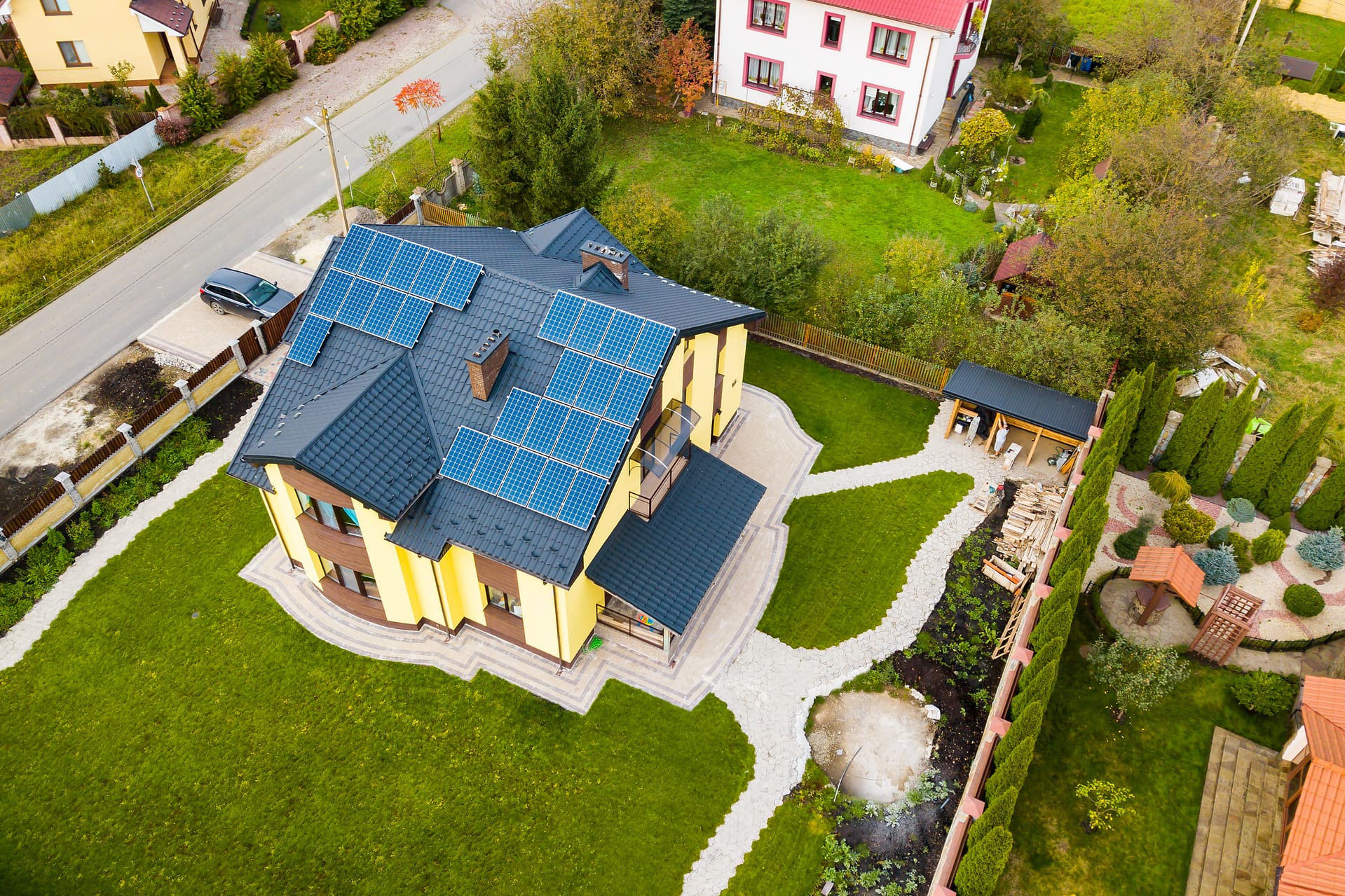
You know what? Forget the calculators for a second. Grab your last 12 months of energy bills. That’s your real starting point. Every household is different. Maybe you work from home and the kettle’s on all day. Maybe you’ve got a heat pump, or an electric car charging overnight. These things add up, and they’re not reflected in national averages.
Your annual electricity consumption, measured in kilowatt-hours (kWh), is the golden number. It’s usually printed on your bill, often tucked away near the summary section. If it’s not there, ring your supplier, they’ll tell you over the phone. Once you’ve got that figure, you can start working backwards. Let’s say you’re using 3,200 kWh a year. That’s a bit above average, but not unusual if you’ve got a big household or you’re running a home office setup with multiple monitors and printers.
Here’s a quick breakdown. A small one-bedroom flat might use 1,800 kWh. A typical two or three-bedroom house sits around 2,700 kWh. A larger four or five-bedroom property can easily hit 4,100 kWh or more. If you’re planning to add an EV or swap your gas boiler for an electric heat pump, factor that in now. A heat pump alone can add 3,000+ kWh to your annual usage, which means you’ll need a much bigger system, possibly 16+ panels.
We had a client in Norwich with a three-bed house who was adamant they only needed six panels because “it’s just the two of us.” But they had an electric car, underfloor heating, and a hot tub. Once we crunched the numbers, they ended up with 14 panels and they’re still importing some electricity from the grid during winter. Moral of the story, don’t guess. Check your bills.
The Simple Maths Behind Sizing Your Solar System
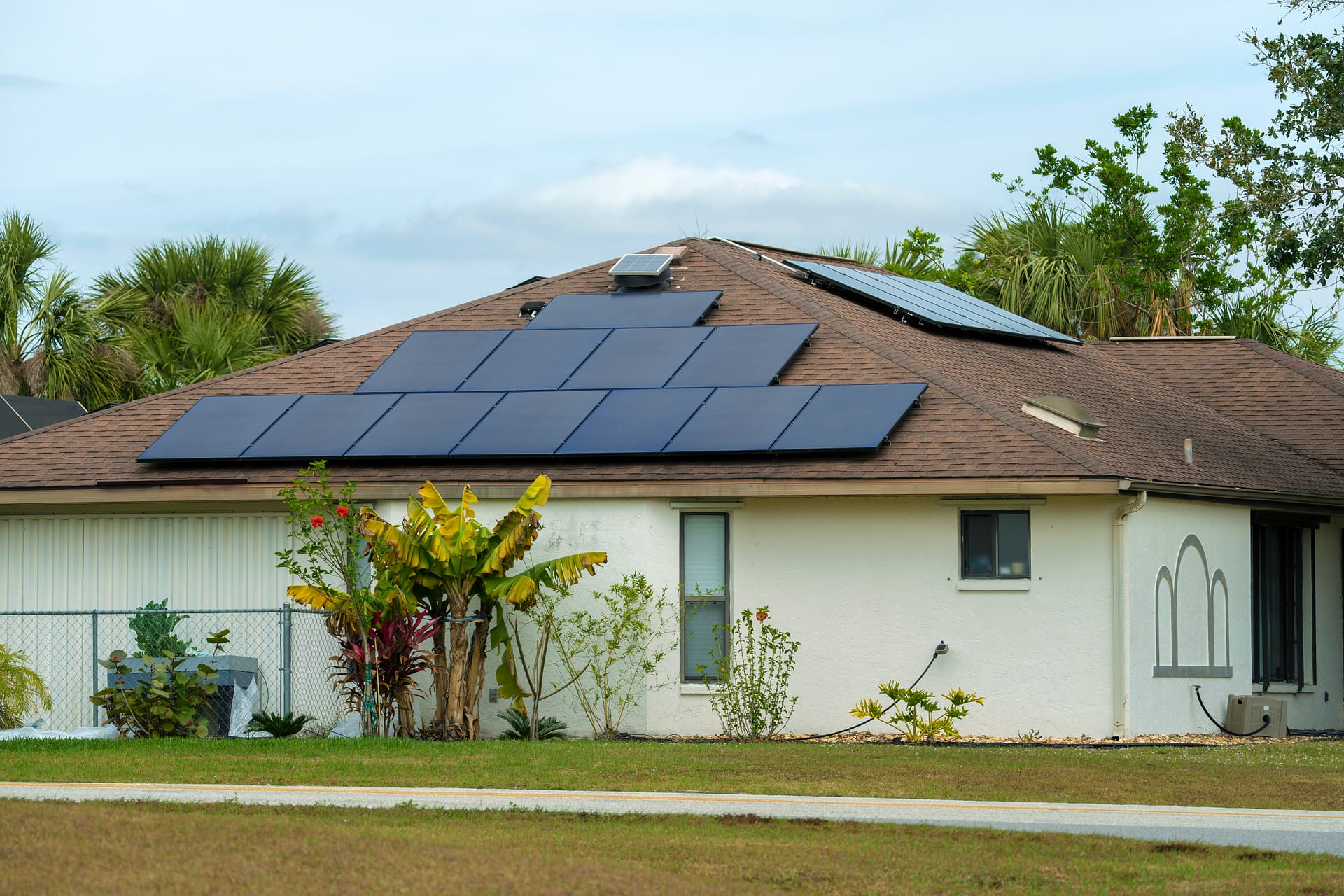
Alright, here’s where it gets a bit technical, but stick with me. Each solar panel has a wattage rating, usually 350W or 450W for residential systems. That wattage tells you how much power the panel can generate under perfect conditions, full sun, no clouds, optimal angle. But the UK isn’t California. We get about 2.5 to 3.5 peak sunlight hours per day on average, which directly impacts how much electricity your panels actually produce over a year.
A 350W panel in the UK will typically generate around 265 to 395 kWh annually, depending on where you live and how your roof is angled. A 450W panel can push out close to 500 kWh per year. So, if you’re using 2,700 kWh annually and you install 350W panels, you’d divide 2,700 by 265 (the low end of output) and you’d get roughly 10 panels. If you go with 450W panels, you’d need about 6 to 8.
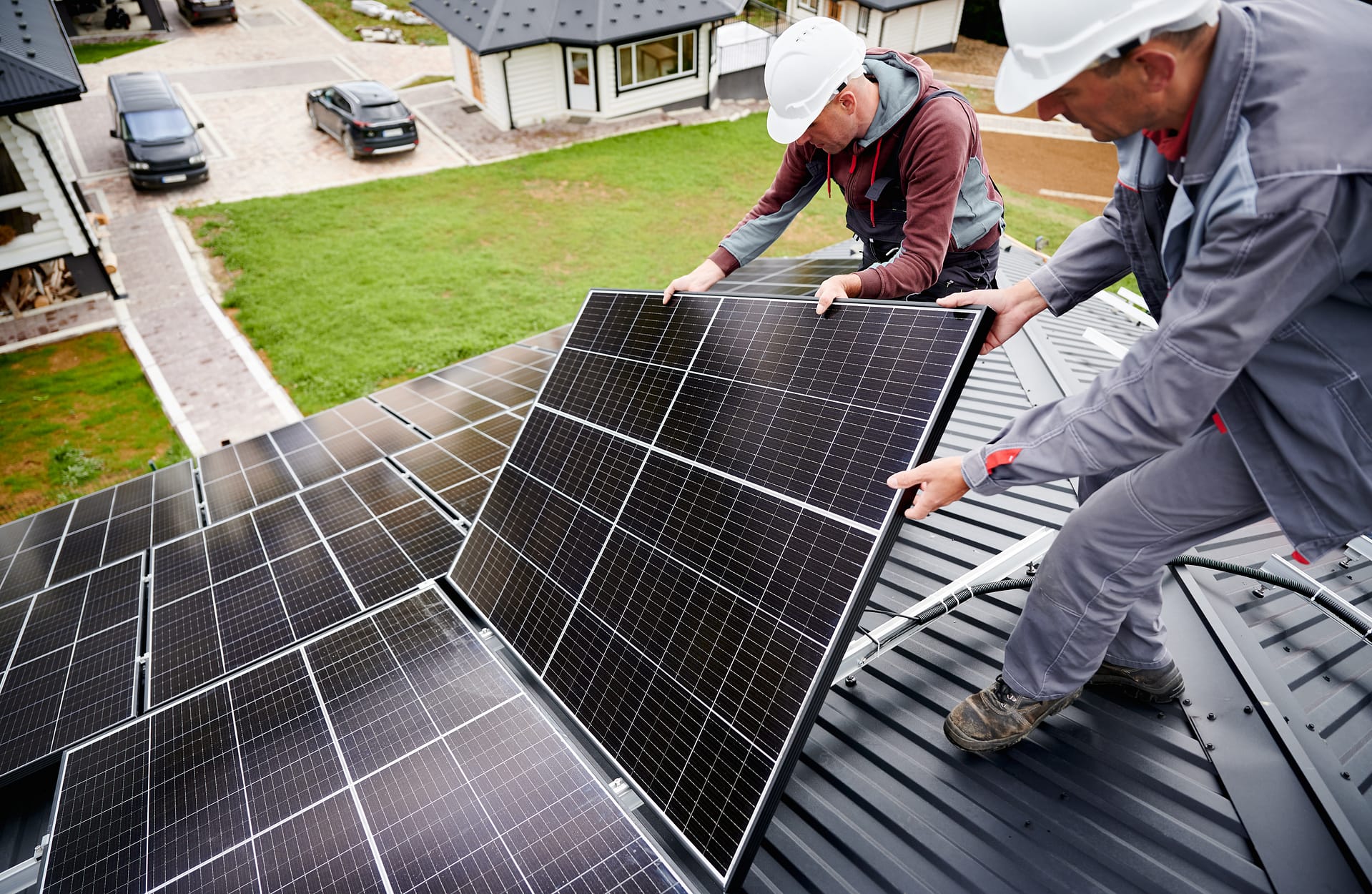
The formula looks like this: Number of panels = Annual electricity usage (kWh) ÷ Annual output per panel (kWh). Easy enough, right? But remember, this assumes decent conditions. If your roof faces north, or you’ve got a massive oak tree shading half your tiles, you’ll need to adjust upwards. Most installers, including us at Best Solar Discounts, will run a site survey and model your roof’s solar potential using satellite data and shading analysis.
One thing competitors often skip is the production ratio. In the UK, that’s roughly 3.225 Wh per day per watt of installed capacity. It’s a regional adjustment that accounts for our weather, latitude, and seasonal variation. Without it, you’re flying blind. We always factor it into our quotes because we’ve seen too many cowboy installers overestimate output and leave customers disappointed.
What Affects How Many Panels You’ll Need on Your Roof?
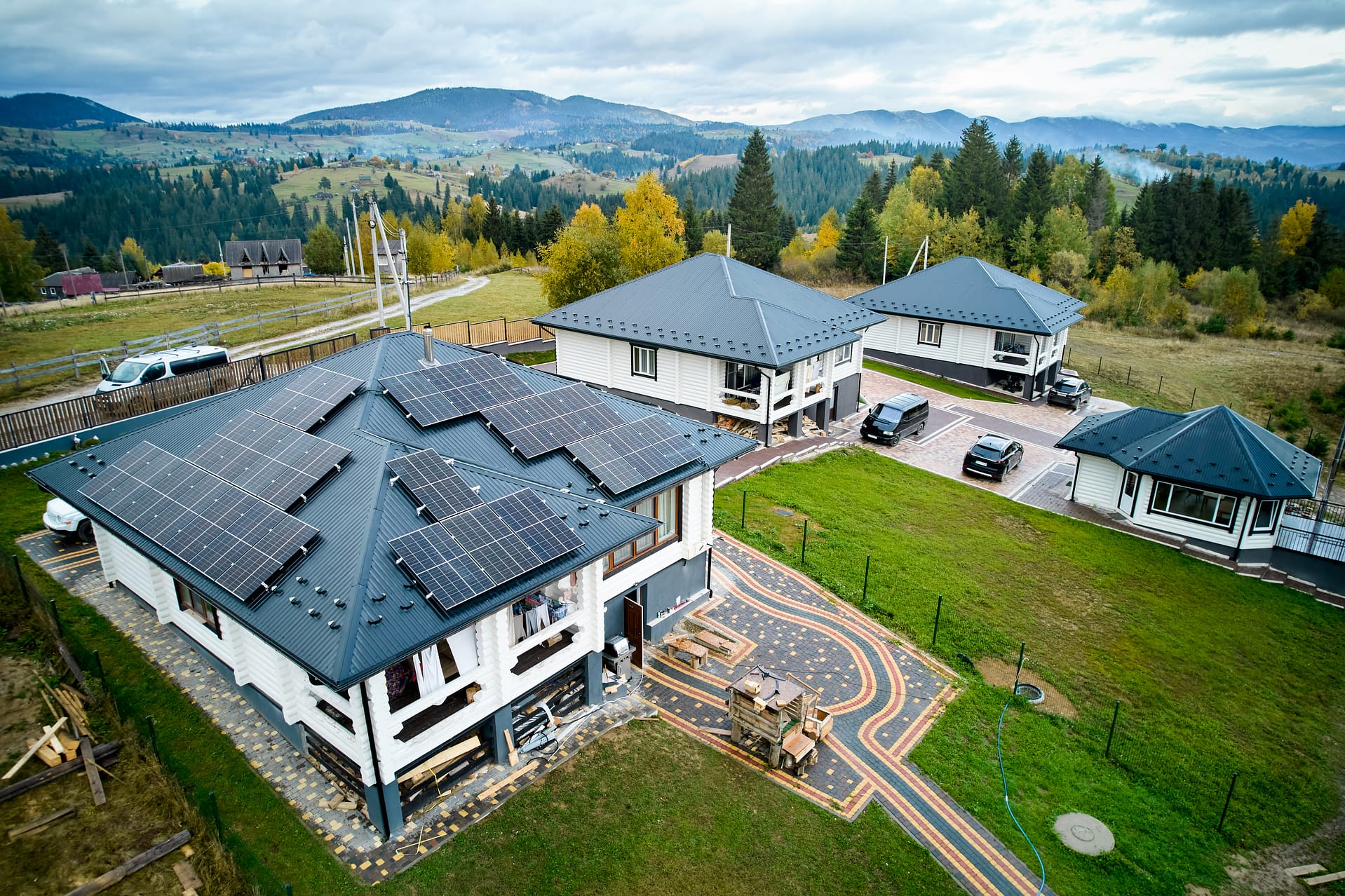
Your roof isn’t just a flat canvas. It’s got quirks, angles, chimneys, maybe a dormer window or two. All of this affects how many panels you can physically fit and how well they’ll perform. Let’s break it down.
First, roof orientation. In the UK, south-facing roofs are the gold standard. They get the most direct sunlight throughout the day. If your roof faces east or west, you’ll lose about 15% to 20% of potential output, so you might need an extra panel or two to compensate. North-facing roofs? Honestly, they’re not ideal. You’ll struggle to justify the investment because the panels just won’t generate enough electricity to make the payback period worthwhile.
Second, roof pitch. The optimal angle for solar panels in the UK is between 30 and 50 degrees. Most pitched roofs fall into this range naturally, which is convenient. If you’ve got a flat roof, don’t worry, you can still install panels using ballast mounts, and you can even angle them to maximize exposure.
Third, shading. This is a big one. Even partial shading from a chimney, tree, or neighbouring building can slash your panel’s output by 20% to 30%. We always recommend a shading analysis before installation. Sometimes trimming a branch or repositioning a panel by a meter makes all the difference.
Finally, roof space. Each 350W panel takes up about 2 square meters. So, if you need 10 panels, that’s 20 square meters of clear, unobstructed roof. A 4 kW system typically needs 16 to 20 square meters. If you’ve got a small roof or lots of obstacles, you might need to go with higher-efficiency panels to squeeze more power out of less space.
Does a Rainy British Climate Mean You Need More Panels?
Short answer, not really. Yes, we’ve got grey skies and drizzle, but solar panels don’t need blazing sunshine to work. They generate electricity from daylight, not just direct sun. On a cloudy day, your panels might produce 10% to 25% of their rated capacity, which isn’t nothing.
The bigger factor is regional variation. England averages about 4.1 peak sun hours per day, Scotland gets 3.7, Wales 3.3, and Northern Ireland 3.2. So, if you’re in Aberdeen, you might need one or two extra panels compared to someone in Kent to hit the same annual output. But it’s not a huge difference. We’ve installed systems all over Scotland, and they perform brilliantly.
Honestly, the UK’s climate is fine for solar. We’re not talking about Alaska here. In fact, solar panels actually work more efficiently in cooler temperatures, so those crisp autumn mornings can be surprisingly productive. The key is managing expectations. You won’t generate much in December and January, but you’ll overproduce in May through August and bank credits with the SEG.
One Leicester family we worked with was convinced they’d need 20 panels because “it’s always cloudy here.” We installed 11 panels, and they generated over 3,000 kWh in their first year. They were genuinely shocked. The lesson is, don’t let the weather scare you off.
How Much Roof Space Are We Talking About?
Let’s get practical. A 2 kW system (about 6 panels) needs roughly 12 square meters of roof space. A 4 kW system (10 panels) needs around 20 square meters. A 6 kW system (16 panels) will take up about 32 square meters. Most UK homes have enough roof area to accommodate a 4 to 5 kW system without any trouble.
But what if your roof is on the small side? You’ve got two options. One, go with fewer panels and accept that you’ll offset a smaller percentage of your electricity use. Two, invest in high-efficiency panels (like 450W or even 520W models) that pack more punch into less space. The second option costs more upfront, but it’s worth it if roof real estate is tight.
Also, consider structural limitations. Solar panels weigh about 18 to 21 kg each, and most UK roofs can handle 10 kg per square meter without reinforcement. So a 10-panel system weighing roughly 200 kg spread over 20 square meters is well within safe limits. But if your roof is old or has dodgy tiles, get a structural survey before you commit.
We’ve seen complex roofs with multiple pitches, dormers, and chimneys. They’re trickier to work with, but rarely a dealbreaker. Sometimes we’ll split the array across two roof faces, east and west, to maximize coverage. It’s not as efficient as a single south-facing array, but it’s better than nothing.
Can You Run a House Entirely on Solar Panels in the UK?
Technically, yes. Practically, it depends. If you want to go fully off-grid, you’ll need a much larger system than the typical 4 to 5 kW setup. Most off-grid homes in the UK install 7 to 10 kW systems (that’s 16 to 29 panels) to account for seasonal dips in generation and to cover heating and hot water if you’re ditching gas entirely.
You’ll also need a hefty solar battery, think 10 to 15 kWh of storage, which can cost upwards of £8,000 to £12,000 on top of your panel costs. The battery stores excess energy generated during the day so you can use it at night or during winter months when the sun’s weak. Without a battery, going off-grid is basically impossible because your panels won’t generate anything after sunset.
For most people, staying grid-connected is the smarter move. You install a 4 to 5 kW system, use the electricity it generates during the day, export the surplus via SEG, and pull from the grid when you need it. This hybrid approach gives you the financial benefits of solar without the hassle and expense of going fully off-grid.
That said, we’ve installed a few off-grid systems for rural properties where connecting to the grid would cost tens of thousands. In those cases, solar plus battery plus a backup generator makes economic sense. But for the average suburban home, it’s overkill.
When to Install Solar Panels to Save on Your Energy Bills
Here’s the thing, there’s never been a better time to install solar panels in the UK. Energy prices are still high, and the government’s commitment to net-zero by 2050 means solar incentives aren’t going anywhere. Installing solar panels now can save you £500+ per year on electricity bills, depending on your system size and usage.
At Best Solar Discounts, we’ve helped over 11,000 UK homeowners cut their energy costs with high-efficiency solar systems. We’re MCS certified, DNO compliant, and SEG-registered, which means you get peace of mind knowing your installation meets all UK standards. Our panels are built to last 25+ years, and we offer battery storage options so you can store excess energy instead of exporting it for pennies.
We’re not just another solar company. We’ve been in the solar game for 20+ years, and we’ve got over 3,500 verified reviews from happy customers across the UK. Whether you’re in a one-bed flat in London or a five-bed house in the Highlands, we’ll design a system that fits your roof, your budget, and your energy goals.
Here’s what you get with Best Solar Discounts. A free, no-obligation online quote tailored to your home. A rapid site survey to assess your roof’s potential. High-efficiency panels (350W to 450W) that maximize output even in our grey British climate. Battery storage options to keep your energy independence growing. Full MCS certification and SEG registration so you can export surplus energy back to the grid and earn money. And ongoing maintenance guides that other installers conveniently forget to mention.
We’ll even walk you through the SEG tariffs and help you pick the best export deal for your situation. Some tariffs pay as much as 15p per kWh for exported electricity, which adds up fast if you’re overproducing in summer. Fill out our quick form today, and we’ll get you a personalized quote within 24 hours. No pushy sales calls, no hidden fees. Just honest advice from people who’ve been doing this since before solar was cool.
Real Homes, Real Panel Counts
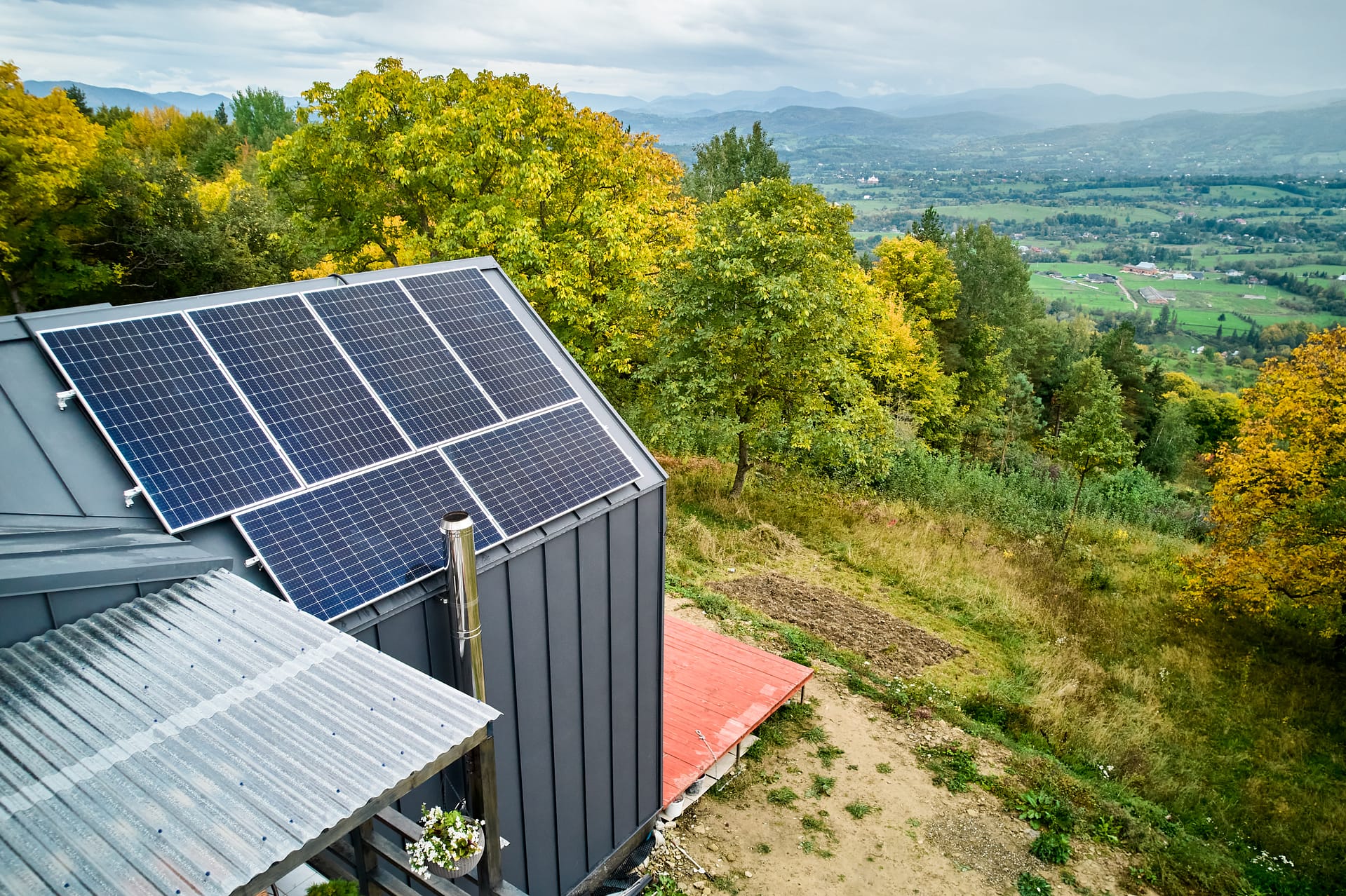
Let’s look at some real-world examples from our installations across the UK. A two-bedroom terrace in Bristol, annual usage 2,200 kWh, south-facing roof, 8 x 350W panels. System cost: £6,500. Annual savings: £620. They’ll break even in about 10 years.
A three-bedroom semi in Norwich, annual usage 2,900 kWh, east-west split roof, 12 x 350W panels. System cost: £8,200. Annual savings: £750. They added a 5 kWh battery for an extra £4,000, and now they’re barely importing any grid electricity.
A four-bedroom detached in Edinburgh, annual usage 4,500 kWh (they’ve got an EV and heat pump), south-facing roof with minimal shading, 16 x 450W panels. System cost: £11,500. Annual savings: £980. They’re on track to break even in 12 years, and they’re exporting 1,200 kWh per year via SEG for an extra £120 annually.
These aren’t marketing fluff. These are real customers, real numbers. The payback period varies, but most UK homes see a return on investment within 10 to 15 years, and the panels keep generating for 25 to 30 years. That’s a decade-plus of free electricity after you’ve recouped your initial outlay.
One family in Nottingham told us their panels paid for themselves in 9 years because they timed their high-energy activities (washing machine, dishwasher, EV charging) to coincide with peak generation hours. Smart habits can shorten your payback period significantly.
Conclusion
So, how many solar panels will you need to run a house? For most UK homes, it’s between 8 and 13 panels, depending on your electricity usage, roof size, and location. Smaller homes might get away with 6, larger homes with EVs or heat pumps might need 16 or more. The key is starting with your actual energy bills, not national averages, and working with an experienced installer who’ll assess your roof properly.
Solar panels aren’t just for sunny climates. They work brilliantly in the UK, even on cloudy days, and they’ll slash your energy bills while adding value to your property. At Best Solar Discounts, we’ve been doing this for over 20 years, and we’ve got the experience and customer reviews to back it up. Get a no-obligation quote from us today, and let’s figure out exactly how many panels your home needs.
Frequently Asked Questions
How many solar panels are needed to power a typical house in the UK?
The typical UK home uses around 2,700 kWh of electricity per year, which requires a 4 to 5 kW solar system. That translates to roughly 10 to 13 panels if you're using 350W panels, or 8 to 10 panels with 450W panels. The exact number depends on your household's energy consumption, roof space, and how much direct sunlight your roof receives.
How do I calculate how many solar panels I need?
Start by checking your annual electricity consumption on your energy bills, measured in kilowatt-hours (kWh). Then, divide that number by the expected annual output of a single panel. In the UK, a 350W panel typically generates around 265 to 395 kWh per year, depending on location and roof orientation. For example, if your home uses 3,000 kWh annually, you'd need roughly 8 to 12 panels.
How many solar panels do I need for a 3 bedroom house?
A typical three-bedroom house in the UK uses around 2,700 kWh of electricity per year. To cover that usage, you'd need a 3.5 to 4 kW system, which is approximately 10 panels at 350W each, or 8 panels at 450W each. This can vary if you have high-energy appliances like an electric vehicle or heat pump.
Can solar panels power my house completely?
Yes, but you'd need a much larger system than average, usually 7 to 10 kW (16 to 29 panels), plus a solar battery to store excess energy for nighttime use. Most UK homes stay grid-connected and use solar to offset 40% to 60% of their electricity consumption, importing the rest from the grid when needed. This hybrid approach is more cost-effective and practical for most households.
How much roof space do I need for solar panels?
Each 350W solar panel takes up about 2 square meters of roof space. A typical 4 kW system (10 panels) requires around 20 square meters of clear, unobstructed roof area. Larger systems, like a 6 kW setup (16 panels), need approximately 32 square meters. Most UK homes have sufficient roof space for a 4 to 5 kW system without any structural modifications.


