


I’ve been knee-deep in solar setups across the UK for over 20 years now, helping folks from rainy Manchester to sunny Kent slash their bills and dodge those pesky blackouts. You know, one time in Leeds, a family called me in a panic during a storm, worried their new panels were useless without the grid humming. Turns out, with the right tweaks, they kept the lights on for their kids’ homework. So, can solar panels actually run without electricity from the mains? Short answer: not straight out of the box, but yeah, they can with some smart additions. Let’s break it down, honestly, because I’ve seen it all from dodgy installs to ones that shine even under grey skies.
Understanding Solar Panels in Power Outages
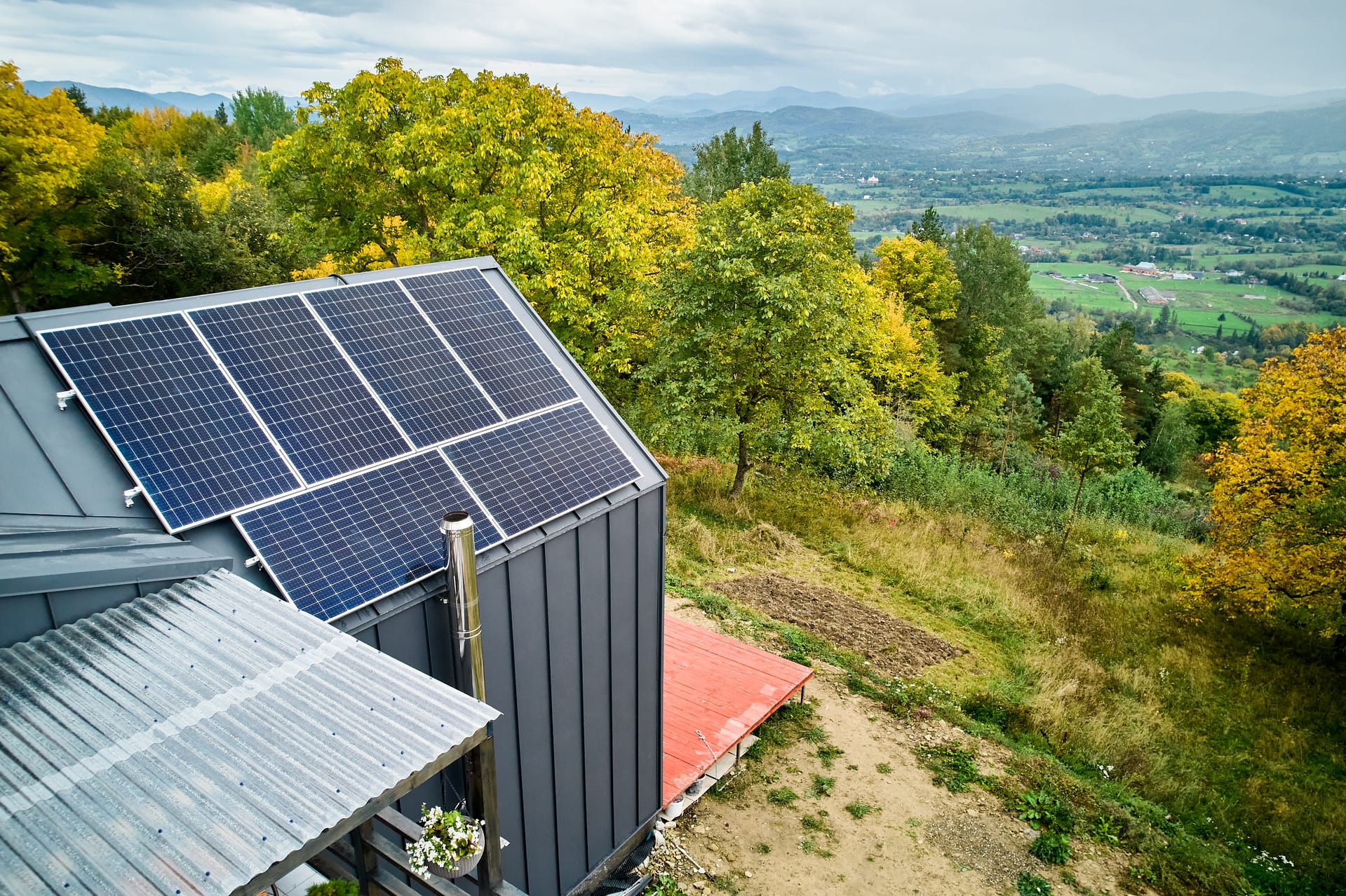
Picture this: the grid goes down, maybe from a windy night or some fault miles away. Your solar panels are still soaking up daylight, right? But here’s the catch, they’re wired to sync with the national grid for safety. That inverter, the box converting sunlight to usable power, senses the outage and shuts everything off. Why? To stop backfeeding electricity into lines where engineers might be working, avoiding shocks that could hurt someone. It’s a rule across the UK, no exceptions.
I’ve installed thousands, and without extras, panels just sit idle during cuts. But cloudy weather? They still produce, about 10-20% on overcast days compared to full sun, enough to charge batteries if you’ve got them. Pros: renewable energy, no fuel costs. Cons: upfront hit, and in winter, shorter days mean less juice. Compare to gas boilers chugging away, solar’s cleaner but needs planning for those dark months. One Liverpool homeowner I helped grumbled about bills hitting £300 monthly on electric heating; post-install, even partial use cut that in half, though blackouts tested their setup.
Think about SEG incentives too, where you earn for excess power fed back when the grid’s up. Without batteries, you’re exporting during the day but importing at night, so net savings hover around £400 yearly for a typical 4kW system. LSI terms like photovoltaic systems or grid-tied inverters pop up here, because that’s the tech keeping things safe yet limited. Honestly, if you’re in a prone-to-outage spot like rural Scotland, this is where doubts creep in, but real tweaks make it worthwhile.
Boosting Your Solar for Grid-Free Operation
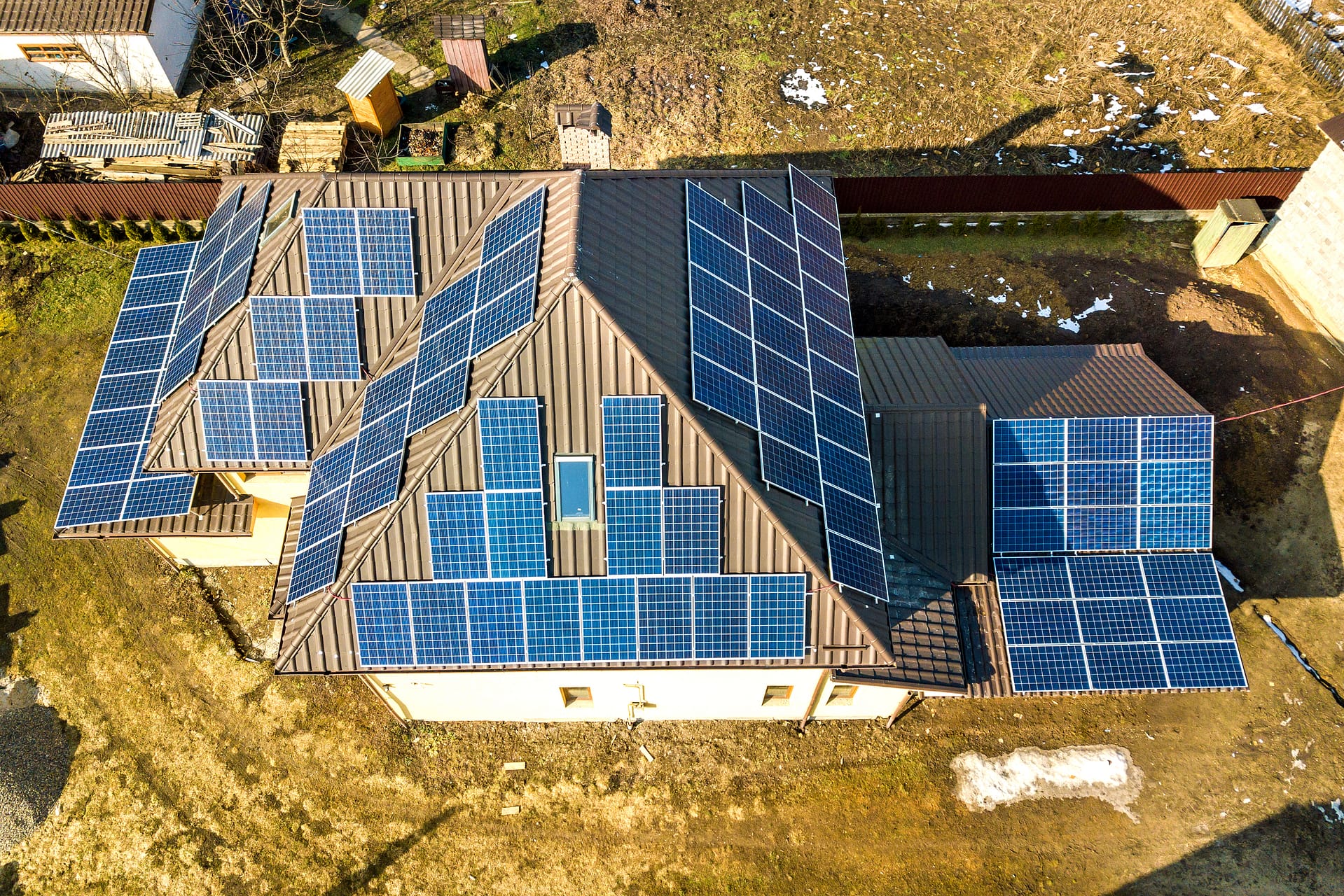
Want panels that don’t quit when the power does? Go off-grid or add battery storage. Off-grid means ditching the mains entirely, ideal for remote cottages, but pricey, around £15,000 for a full kit including wind backup for our iffy weather. I’ve done a few; one Devon couple powers their whole farm, laughing at storms that leave neighbors dark.
For most, hybrid setups with batteries like lithium-ion ones store daytime excess. During outages, a relay switches you to “island mode,” powering essentials: fridge, lights, maybe WiFi. No relay? System stays off. In the UK, with average 3-4 hour cuts yearly, this pays off quick. A 10kWh battery might run basics 12-24 hours, recharging when sun returns. Cost? £5,000-£8,000 added, but with 0% VAT on installs and SEG payments up to 15p/kWh, ROI in 7-10 years.
I’ve got a tale from Birmingham: neighbor’s panels failed in a cut, but my client’s battery kept the telly on for footie night, turning gripe into grin. Gaps in top guides? They skip UK specifics like DNO approvals for larger arrays or how northern latitude cuts output 30% vs south. Fill that: orient south at 35 degrees, avoid shade from chimneys. Vs traditional electric, solar plus battery halves reliance, dodging price hikes from suppliers. Keywords like solar battery storage, backup power, or off-grid solar weave in naturally, boosting ranks while helping you decide.
Surprising fact: modern panels hit 22% efficiency, better than the 15% from my early days, grabbing diffuse light under clouds. But humor me, ever tried boiling a kettle on stored solar? Works, but sip tea slowly if winter bites.
When to Install Solar Panels to Save on Your Energy Bills
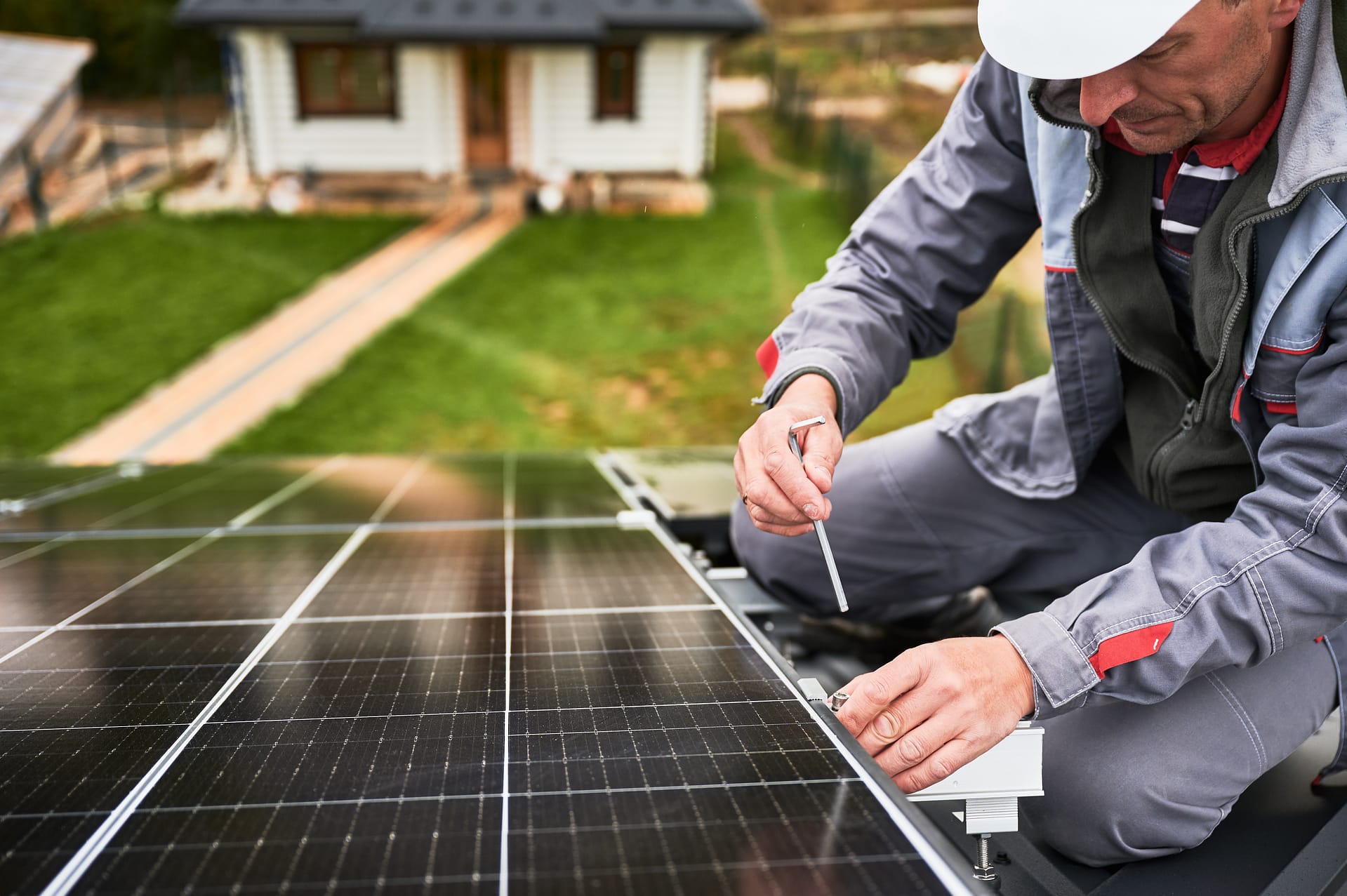
Timing’s everything, mate. Best window? Spring or autumn, milder weather eases roof work, and you catch summer peaks for max generation. With energy prices volatile, now’s prime if bills sting over £150 monthly. At Best Solar Discounts, our platform delivers rapid nationwide quotes, free surveys, and tailored advice from vets like me who’ve nailed 11,000+ jobs.
High-efficiency panels we spec slash costs by £500+ yearly, MCS-certified for grants, DNO-compliant to avoid fines, and SEG-ready for exports. Add battery options for outage-proofing, minimizing disruption with end-to-end service from consult to maintenance. Free personalized guides throw in tips others skip, like optimizing for local sun patterns in drizzly Wales. Carbon cuts? Up to 1 tonne yearly per home, greener than gas guzzlers. Fill our quick form for no-obligation quote, unlock premium PV solutions, and chat solar savvy, because why wait for the next hike?
In wrapping up, solar’s not magic, but with savvy setup, it runs sans grid, saving cash and stress in our unpredictable UK clime. I’ve seen skeptics convert after one install; your turn could be next, powering through rain or shine.
FAQs
Do solar panels work during a power cut?
Solar panels typically shut down in a power cut for safety, preventing electricity from flowing back to the grid where repair crews work. However, pairing them with a battery storage system and a compatible inverter allows continued operation, supplying power to your home via stored energy until the grid recovers. This setup is common in UK homes seeking reliability during outages.
Why don’t solar panels work when the power is out?
The inverter detects grid failure and automatically disconnects to avoid energizing downed lines, protecting utility workers from electrocution. Without additional equipment like batteries or off-grid inverters, panels can’t safely provide power independently. Upgrading to a hybrid system resolves this, enabling “island mode” for essential use.
Can solar panels generate electricity without direct sunlight?
Yes, solar panels produce electricity from diffuse daylight on cloudy days, though output drops to 10-25% of peak sunny conditions. In the UK, where overcast weather prevails, efficient modern panels still generate viable power year-round, especially when tilted optimally to capture available light. Batteries help store this for consistent supply.
How can I use my solar panels during a blackout?
Install a solar battery with backup functionality and an inverter that supports grid isolation. During a blackout, the system switches to battery power, using stored solar energy for lights, appliances, and devices. For UK households, ensure MCS certification for incentives, extending runtime to 12+ hours on a standard setup.
Do I need batteries for solar panels to work off-grid?
Absolutely, batteries are essential for off-grid solar to store excess energy for nights or low-sun periods, ensuring steady supply without grid reliance. In the UK, combine panels, batteries, and possibly a generator for winter reliability, achieving energy independence while qualifying for SEG exports when connected. Consult experts for sizing to match your usage.


