


Look, I’ve been knee-deep in solar setups across the UK for over two decades now, fitting out homes from rainy Manchester to sunnier spots down south. Folks often ask me straight up if you can skip the charge controller and hook panels right to a battery. Short answer? Technically yeah, but it’s like driving without brakes, honest. You might get by for a bit, but sooner or later, trouble brews with overcharging or fried gear.
One time in Leeds, a bloke tried wiring a small panel direct to his caravan battery during a damp weekend getaway. It worked fine on cloudy days, but come a rare sunny spell, the voltage spiked and his battery swelled up like a balloon. Cost him a new one, and he was kicking himself. That’s the kind of real-world headache I see too often.
What Is a Solar Charge Controller?
Think of a charge controller as the traffic cop between your solar panels and battery. It keeps voltage and current in check so your battery doesn’t get slammed with too much power. Panels spit out 17 to 20 volts in good light, way more than the 12 or 14 volts most batteries need to charge safely.
Without it, you’re gambling on steady weather, which in the UK? Good luck with our grey skies and sudden bursts of sun. I’ve fitted PWM types for basic off-grid sheds, they’re cheap and pulse the power down gently. But for home systems, MPPT controllers track max output, squeezing 20-30% more efficiency, especially under our patchy clouds. No wonder MCS-certified installs like ours always include one, it’s non-negotiable for longevity.
Ever wonder why batteries last longer with proper regulation? It stops sulfation in lead-acid types or heat buildup in lithium ones, keeping your setup humming for years. In one Norfolk farm job, switching to an MPPT saved the owner from replacing gear every couple seasons, paying for itself quick.
Risks of Skipping the Charge Controller
Bypass the controller, and overcharging is the big bad wolf at the door. Excess voltage boils the electrolyte in your battery, shortening life by half or more, and in worst cases, it can spark fires or leaks. I’ve pulled charred panels from a Birmingham garage where direct connect led to reverse current at night, draining the battery flat.
Undercharging’s sneaky too, leaving batteries half-cocked, which means less power when you need it, like during winter blackouts here. Compare that to gas bills soaring past £100 a month; solar with a controller could trim hundreds yearly via SEG exports, but without? You’re wasting potential https://www.gov.uk/government/collections/smart-export-guarantee-seg.
Humor me for a sec: imagine your panels as overeager puppies, full of energy but no off switch. One Liverpool client ignored my advice, and his system underperformed on rainy days, forcing reliance on the grid. Doubts like “will it even work in the UK?” are valid, but proper setup flips that script.
When Might You Get Away Without One?
For tiny trickle setups, like a 5-watt panel topping a big 100Ah battery in a shed, you might dodge the controller if voltages match dead on. It’s rare, though, and only for low-draw stuff, not powering lights or tools.
In UK homes chasing SEG incentives, skipping means risking DNO approval snags too https://www.mcsuk.org/. I’ve seen portable camping kits pull it off short-term, but for anything serious? Nah, add the controller or face inefficiency, especially with our variable sunlight. A quick tip: test open-circuit voltage first; if it’s under 15V for a 12V battery, maybe, but monitor like a hawk.
One quirky install in Edinburgh involved a greenhouse fan on a micro panel, no controller needed since draw matched output perfectly. But scale up, and you’re back to needing that safeguard.
How to Set Up Your System Properly
Start with matching components: pair a 100W panel to a 100Ah battery via 10-gauge wire, fuse at 15A for safety. Connect positive to controller first, then negative, always with battery off to avoid sparks.
For UK installs, factor local sunlight, about 900-1100 hours yearly, so size panels right or efficiency drops. Add a diode if desperate for no-controller, but it’s a band-aid. I’ve guided dozens through this, emphasizing MCS certs for warranties and grants https://www.mcsuk.org/.
Pro tip from installs: ground everything, use sealed batteries for damp climates, and integrate smart monitoring apps. It beats guessing, ensures even cloudy days yield usable power compared to volatile gas prices.
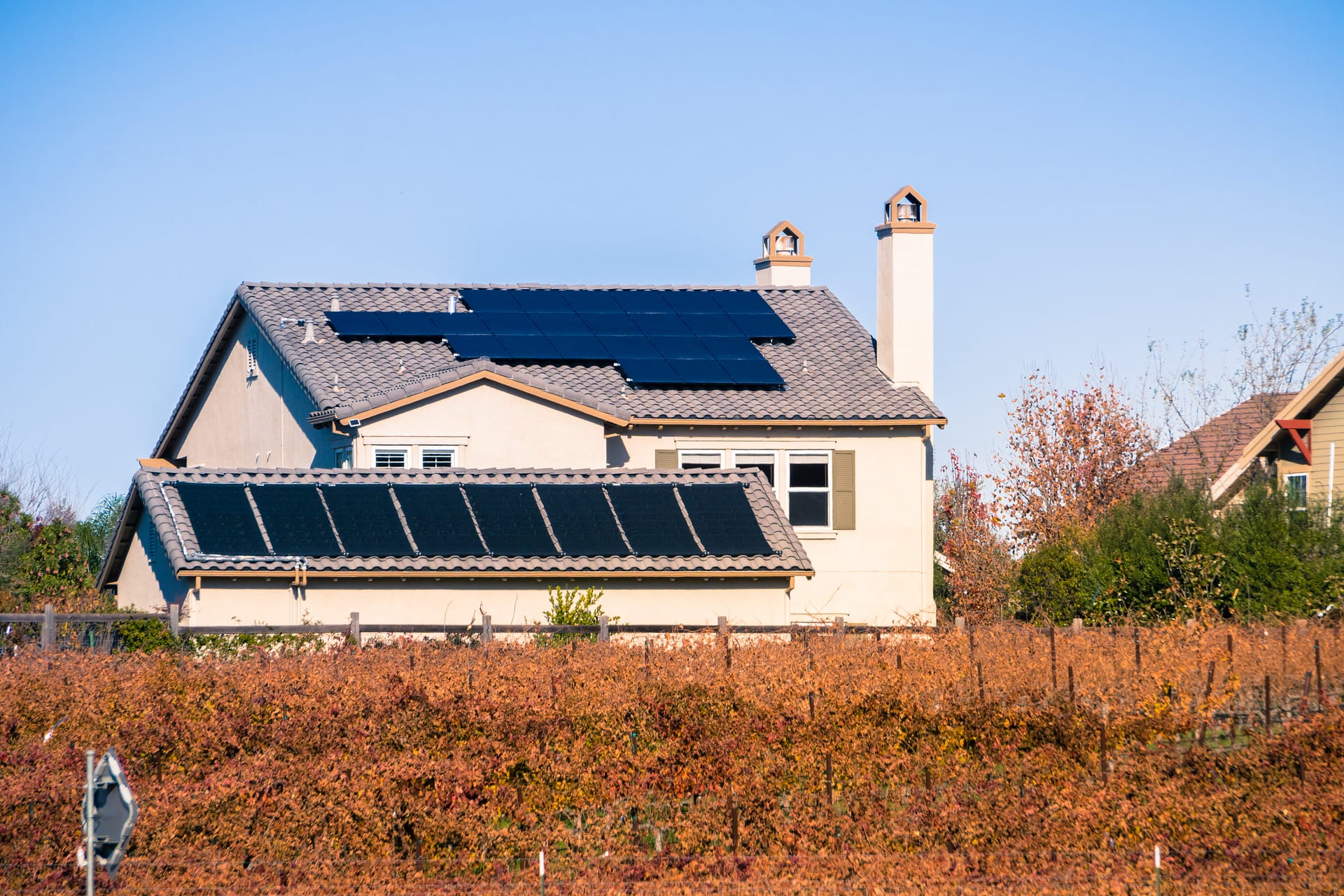
When to Install Solar Panels to Save on Your Energy Bills
Right now’s prime time, with energy costs biting and SEG paying for surplus. At Best Solar Discounts, our platform hooks you up with high-efficiency panels that cut bills by over £500 a year, tailored to UK incentives.
Get a no-obligation quote online, fill our quick form for free solar advice and a survey, no pushy sales. We handle nationwide installs, battery storage options, and MCS/DNO/SEG certs to slash disruption while boosting carbon cuts. Imagine powering your home seamlessly, even on drizzly days, with maintenance guides most rivals skip. Why wait? Jump in and slash those bills today.
In wrapping this up, ditching the charge controller might tempt penny-pinchers, but from my 11,000+ projects, it’s a false economy. Proper solar shines in the UK, saving cash and hassle long-term. Ready to go green? Grab that quote and let’s chat your setup.

FAQs
Can I connect solar panel directly to battery?
Sure, if panel voltage stays under your battery’s max, like 14.5V for 12V setups, but watch for spikes that damage it. In UK conditions, add a controller for safety and better yields.
What happens if you don’t use a charge controller?
Batteries overheat, lose capacity fast, or worse, explode from unchecked power. It voids warranties too, hitting you with replacement costs over saved upfront bucks.
Is a charge controller necessary for solar panels?
Almost always yes, unless it’s a tiny trickle charger under 10W on a huge battery. For home use, it regulates flow, preventing issues in variable UK weather.
Can small solar panels be used without charge controller?
For 5-10W panels on 50Ah+ batteries, yeah, as long as current’s low. But test thoroughly; I’ve seen even small ones cause gradual wear without monitoring.
How do I know if I need a charge controller?
Check if panel’s open-circuit voltage exceeds battery charge limit by more than 2V, or if it’s over 20W. If unsure, err safe, especially for reliable UK solar savings.


