


Look, I’ve been in the solar game for more than twenty years now, and the question I hear most after folks get their panels up isn’t about installation at all. It’s what comes next. What really happens once those shiny modules start doing their thing on your roof? After fitting systems across 11,000+ UK homes, I’ve seen it all, the brilliant bits and yeah, some surprises too.
The truth is, solar panels create ripples through your life in ways you might not expect. Some homeowners in Norwich ring me up three months later, gobsmacked at their first proper summer bill (or lack thereof). Others want to know why their mate’s system performs differently, or what that humming noise is from the inverter. It’s rarely straightforward, which is why I’m writing this, to give you the full picture beyond the sales pitch.
How Solar Panels Transform Your Energy Bills
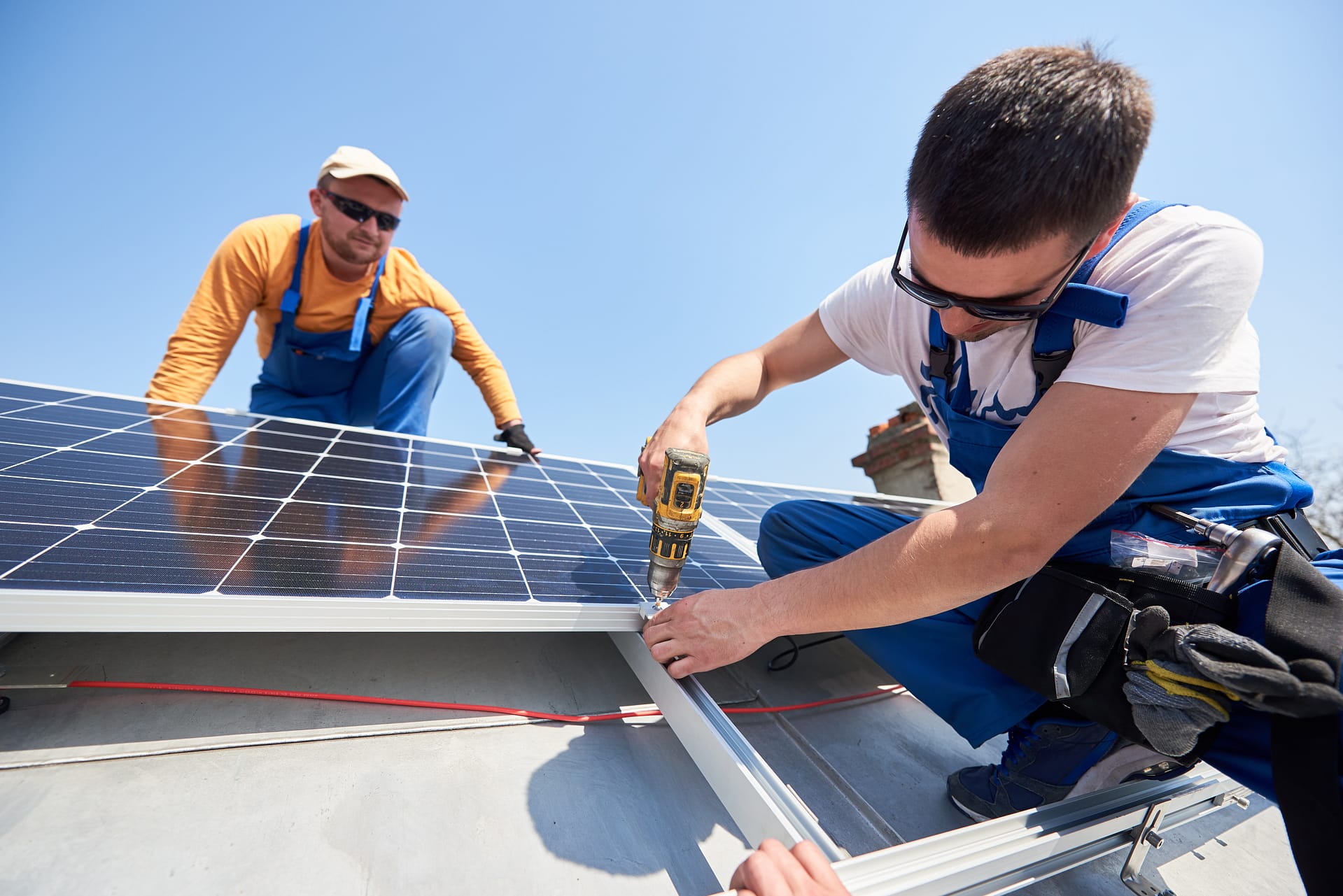
Right, let’s talk money because that’s usually why people take the plunge. Once your solar PV system goes live, you’ll notice your electricity bills start shrinking immediately, though how much depends on your usage patterns and system size. I’ve got clients cutting their annual costs by £500 to £700, while others with larger arrays and battery storage barely pay the grid at all during summer months.
Here’s the thing though. You won’t eliminate bills entirely unless you’re properly off-grid with massive battery capacity (which most homeowners aren’t). On cloudy November days or during evening peak hours, you’ll still draw from the National Grid. One family in Manchester laughed when I explained they’d produced enough juice during a rainy June BBQ to power their hot tub, yet their winter bills still hovered around £60 monthly because, well, it’s Manchester in January.
The Smart Export Guarantee sweetens the deal considerably. Any surplus energy your panels generate gets sent back to the grid, and suppliers pay you for it, typically 4p to 15p per kilowatt-hour depending on your tariff. It’s not a fortune, but over a year it adds up. I’ve seen SEG payments cover a family’s broadband costs or chip away at standing charges. The key is sizing your system right and potentially adding storage so you’re not giving away power at 5p that you’d buy back at 24p later.
Environmental Impact Beyond the Hype
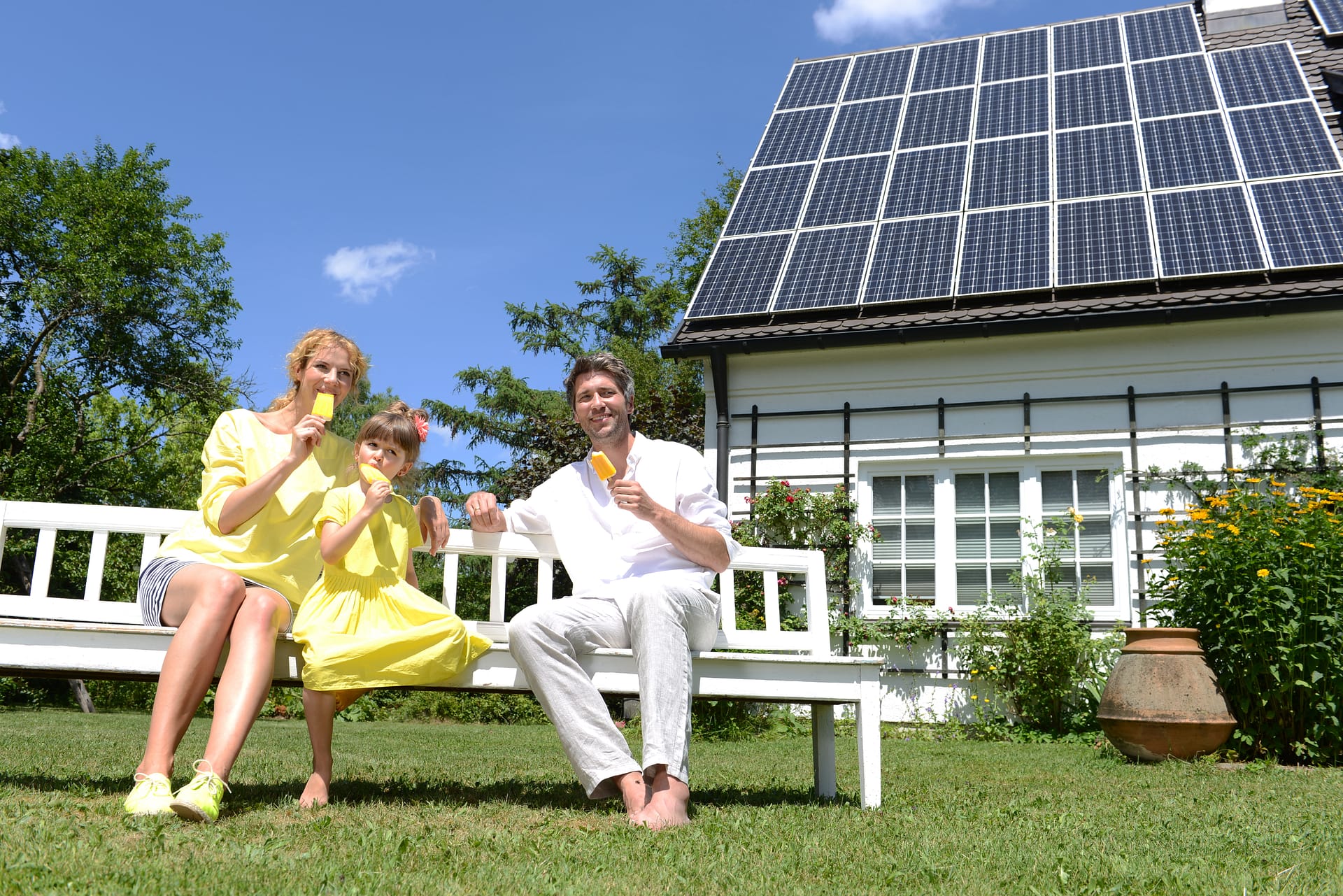
Honestly, the green credentials of solar panels get both oversold and unfairly criticized. Yes, your carbon footprint drops significantly, we’re talking roughly 0.9 to 1 tonne of CO2 saved annually for an average UK residential system. That’s like taking a petrol car off the road for 3,600 miles every year. Over the 25-year lifespan, you’re looking at preventing about 23 tonnes of emissions, which isn’t nothing.
But here’s where it gets messy. Manufacturing solar panels involves mining silicon, sometimes using fossil-fuel-powered factories in Asia, and transporting them halfway across the world. There are toxic materials involved too, cadmium and lead in some models, though they’re sealed tight unless the panel gets damaged or improperly recycled. A study in Nature Energy found only 4% of a panel’s lifetime energy output is consumed during production, so the net benefit is massive. Still, it’s not the squeaky-clean story some installers peddle.
Recycling’s the bit that keeps me up at night. Right now, UK infrastructure for panel recycling is patchy at best. Most panels end up as e-waste, and while 80-95% of materials could theoretically be recovered, we don’t manufacture panels domestically anymore so that glass and metal gets shipped off to become car windows or whatever. It’ll become a bigger issue in 15-20 years when early installations start retiring en masse.
Effects on Your Property and Daily Life
Let me tell you about the Johnsons in Bristol, solid property, south-facing roof, perfect setup. Six months after installation, they wanted to remortgage and their lender got funny about the panels, needed extra documentation, valuations, the works. It delayed things by three weeks. That’s not typical, but it happens. Most of the time, panels boost property value slightly, buyers love the idea of lower bills, though the impact varies wildly by area and surveyor.
Maintenance is refreshingly minimal. Panels just sit there quietly generating power with zero moving parts. Rainfall usually keeps them clean enough, though if you’re near farmland or under trees, you might need an annual wash. I recommend a professional inspection every 3-5 years to check connections and inverter health, costs maybe £100-150. The inverter’s your weak point, typically lasting 10-15 years before needing replacement at around £800-1,200.
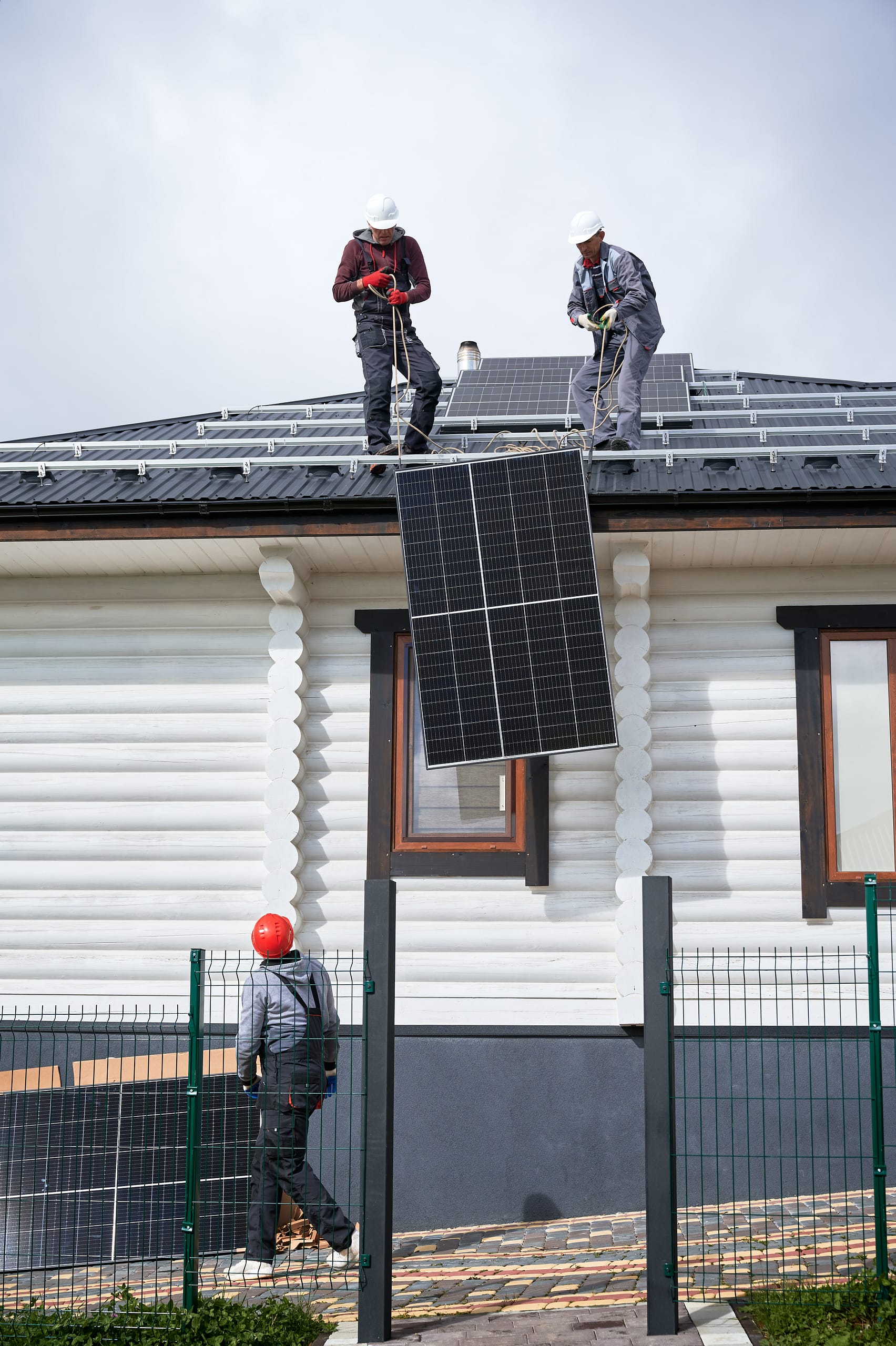
Some folks worry about roof damage or leaks. With a proper MCS-certified installer (like us), that risk is basically nil. We use specialized mounting systems that seal penetrations properly and distribute weight across roof timbers. I’ve gone back to homes after a decade and found zero issues. Cowboys cutting corners? That’s a different story, which is why accreditation matters.
Health and Safety Realities
You’ll read wild stuff online about solar panels causing cancer or emitting dangerous electromagnetic fields. Let me be blunt, it’s nonsense. Multiple long-term public health studies, including decades of research, confirm residential solar installations pose no significant health risks. The EMF levels from your inverter are comparable to your fridge or microwave, completely harmless according to the World Health Organization.
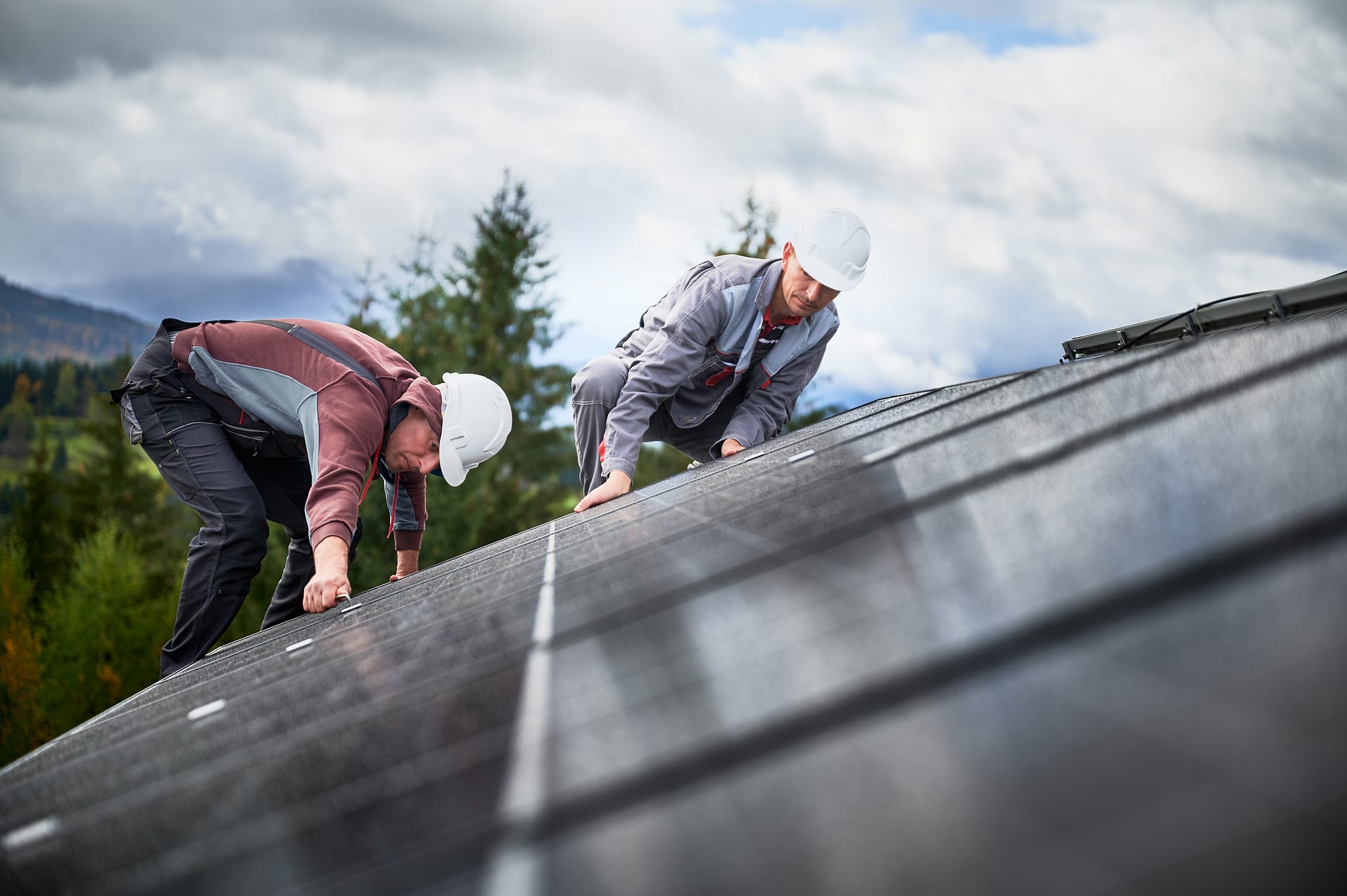
The real safety concerns are during installation, falls from height, electrical shocks, heat exhaustion. That’s why I insist on experienced crews with proper safety gear. Once the system’s operational, fire risk is extremely low but not zero. There were a few high-profile cases in 2024, a Lidl warehouse in Peterborough, a block of flats in Lewisham. Almost always traced back to faulty installation or manufacturing defects in cheap imported equipment.
For large solar farms near residential areas, there’s emerging research about noise pollution from inverters and transformers, especially systems with battery storage running at night. That’s not relevant for rooftop domestic installations though. Your neighbors won’t hear a thing, I promise.
Long-Term Performance and What to Expect
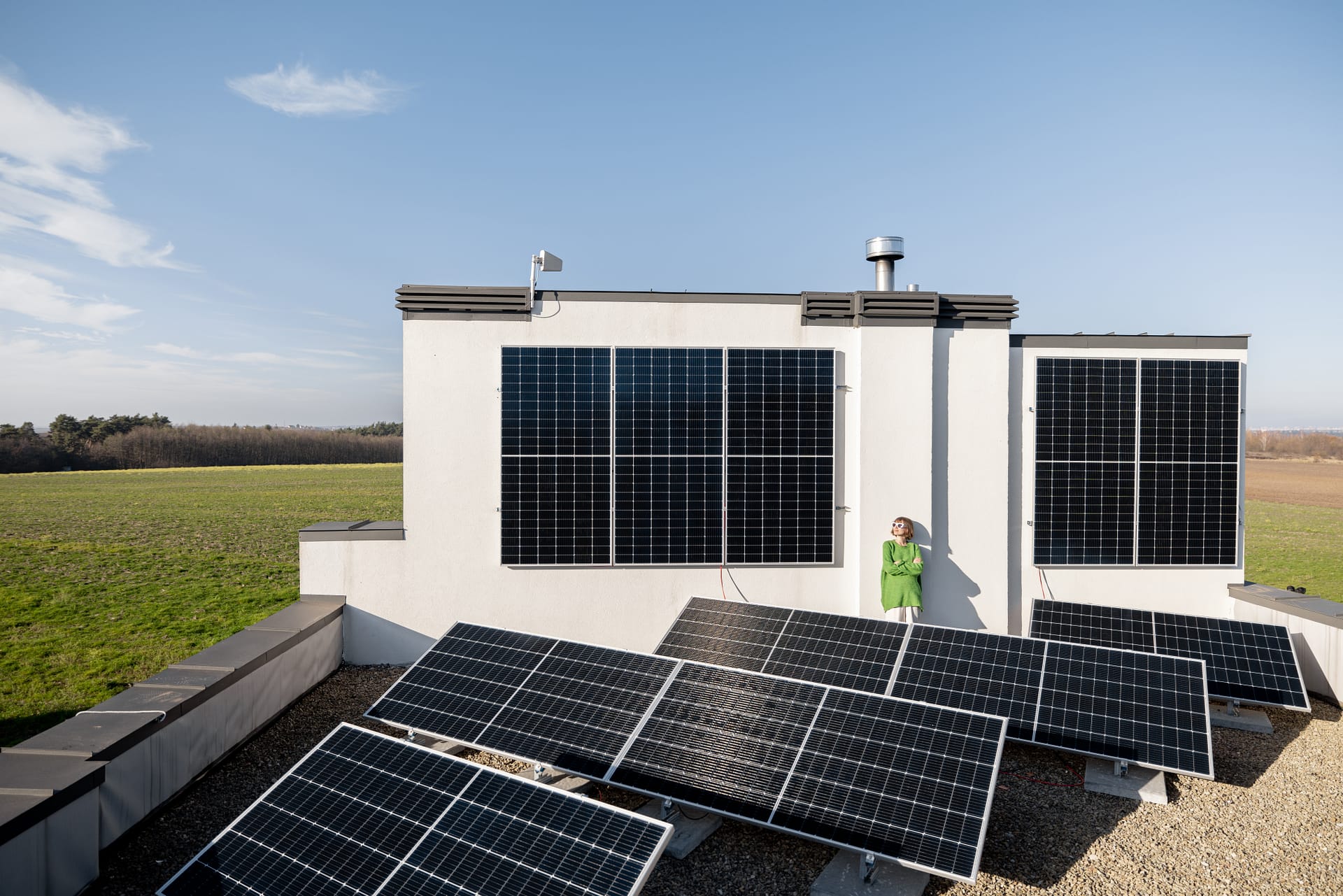
Here’s the bit that surprises people. Solar panels degrade slowly over time, losing about 0.5% efficiency annually on average. After 20 years, you’re still getting roughly 90% of original output, maybe 85% by year 25 depending on panel quality. Premium manufacturers like those we use degrade closer to 0.3% yearly, so the difference adds up.
I’ve got systems I installed in 2003 that are still chugging along, producing plenty of power even if they’re not quite matching those early glory days. By year 30, you might consider upgrading since panel technology improves massively every decade, but there’s no urgent need to rip them off. One client in Sheffield kept their 28-year-old panels going strong, offsetting hundreds yearly despite the efficiency drop.
Weather affects daily performance more than long-term degradation. Obviously, summer’s your peak season, but even grey British skies provide enough daylight for decent generation. You don’t need direct sunlight, just daylight, which is why panels work through cloud cover albeit at reduced capacity. Wind and temperature actually help, cooler panels operate more efficiently than scorching hot ones.
Shading’s your enemy. A chimney shadow, overhanging branch, or neighboring extension can disproportionately impact output, especially older systems without optimizers. We use 3D modeling software during surveys to predict shading effects precisely. Sometimes trimming a tree or repositioning a few panels makes a huge difference.
When to Install Solar Panels to Save on Your Energy Bills
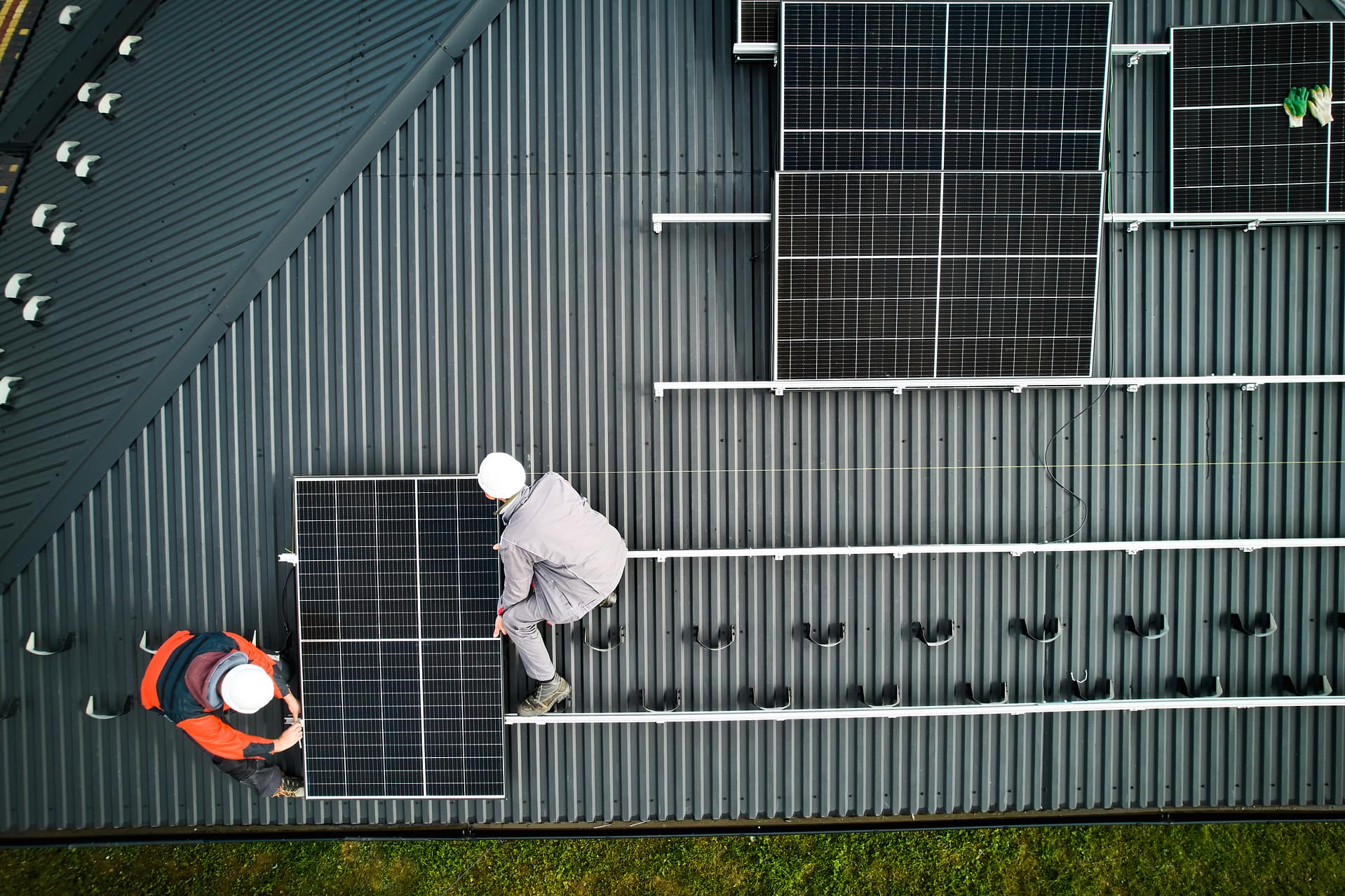
After two decades and 11,000 installations, I can tell you the best time to go solar is when three things align: you’ve got the capital (or attractive finance), your roof’s in good condition, and energy prices are high enough to make payback attractive. Right now, with UK electricity costs where they are, the economics make serious sense for most homeowners.
At Best Solar Discounts, we’ve streamlined the entire process to minimize hassle and maximize your savings. You’ll get a no-obligation online quote with solar energy advice by filling out our quick form, which takes literally two minutes. What sets us apart is the depth of service, high-efficiency panels that slash energy bills by more than £500 annually, full MCS certification ensuring you qualify for SEG payments and warranty protection, and genuine nationwide expertise from our team of solar pioneers.
Our rapid quote system connects you with premium solar PV solutions tailored to your roof’s orientation, shading patterns, and household consumption. We’ll arrange a free survey to assess your property properly, none of this satellite-image guesswork. Battery options? We’ll walk through whether storage makes financial sense for your usage patterns, being straight with you if it doesn’t. The whole setup from consultation through DNO approval to final commissioning is handled seamlessly, with full post-installation support and maintenance guides that most installers frankly don’t bother with.
The carbon reduction benefit starts day one, typically cutting your household emissions by nearly a tonne of CO2 annually while future-proofing against rising grid prices. Get your no-obligation quote today and tap into the solar savings that over 11,000 UK homeowners are already enjoying.
Conclusion
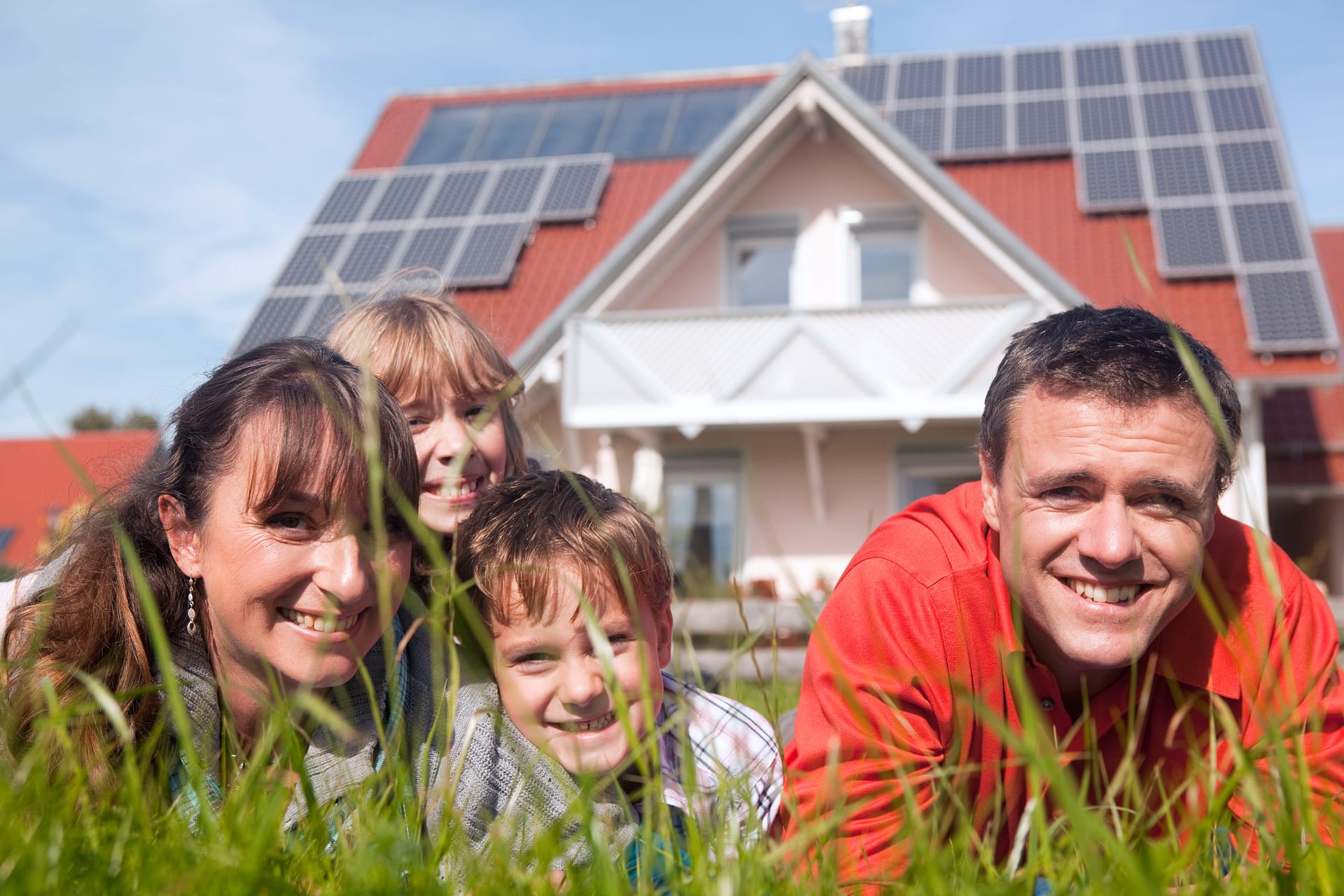
The after effects of solar panels ripple through your life in mostly positive ways, slashed energy bills, reduced carbon footprint, increased energy independence, and even a modest property value boost. But it’s not all sunshine and rainbows (pun intended). You’ll deal with weather-dependent output, ongoing grid reliance during winter evenings, and the reality that payback takes 10-15 years even with current high energy prices.
From my perspective having installed systems since the early 2000s, the technology’s matured beautifully. Modern panels are more efficient, inverters more reliable, and the financial case stronger than ever with SEG payments replacing the old Feed-in Tariff. The key is going with experienced, MCS-certified installers who’ll size your system properly, not oversell you on capacity you don’t need, and provide genuine aftercare.
Environmental concerns about manufacturing and recycling are legitimate but vastly outweighed by operational benefits. Health fears are largely unfounded. Maintenance is minimal. What you’re left with is 25+ years of cleaner, cheaper energy generation that performs remarkably well even under Britain’s famously grey skies.
FAQs
Do solar panels cause health problems?
No, solar panels don't cause health problems for homeowners. Extensive long-term public health studies confirm that residential solar installations are completely safe. The electromagnetic fields produced by solar inverters are extremely low, comparable to everyday household appliances like refrigerators, and the World Health Organization has found no evidence of harm from such low-level EMF exposure. The toxic materials like cadmium and lead in some panels are sealed within protective layers and only pose a risk if panels are severely damaged or improperly disposed of, which is why professional installation and eventual recycling are important.
What happens after solar panels are installed?
After installation, your system needs inspection and approval from local authorities to ensure it's safe and up to code, typically taking 2-4 weeks. Your utility company will install a new meter to track both energy you consume and surplus power you export to the grid. Once connected and approved, panels immediately start generating electricity, with excess energy earning you credits through the Smart Export Guarantee. You'll still receive electricity bills, but they'll be significantly reduced, especially during summer months, and you'll need minimal maintenance beyond occasional cleaning and monitoring system output through your inverter's app or portal.
What are the negative effects of solar panels?
The main negatives include high upfront costs (around £7,000 for a typical 3-4kW system), weather-dependent performance that drops during winter and cloudy days, unsuitability for some roof types or heavily shaded properties, and substantial space requirements averaging 2m² per panel. Solar panels also contain toxic materials that require proper recycling, can be expensive to move if you relocate, and take 10-15 years to break even financially. Manufacturing involves energy-intensive processes and mining of raw materials, though studies show only 4% of a panel's lifetime energy output is consumed during production. Long-term recycling infrastructure in the UK remains underdeveloped.
How long do solar panels last?
Solar panels typically last 25-40+ years, with most manufacturers offering 25-year warranties. However, panels gradually degrade over time at an average rate of 0.5% annually, meaning after 20 years they'll still generate around 90% of their original output. Premium high-quality panels degrade more slowly, around 0.3% per year, retaining about 92-95% efficiency after 25 years. The panels themselves often outlast their warranties, and after 30 years they'll likely still produce decent power, though you might consider upgrading to newer, more efficient technology if it becomes cost-effective. Your inverter will typically need replacing after 10-15 years.
Do solar panels work on cloudy days?
Yes, solar panels work on cloudy days, though at reduced efficiency compared to bright sunshine. Solar panels don't actually need direct sunlight, just daylight, which means they continue generating electricity through cloud cover typical in the UK. The amount of power produced depends on cloud thickness and density, but even on overcast days you'll still get meaningful output. This makes solar viable even in Britain's famously grey climate, though winter generation will naturally be lower than summer due to shorter days and more frequent cloud cover. The key is that as long as there's daylight, your panels are working, and annual generation across all seasons makes the investment worthwhile for most UK homeowners.


