


After fitting over 11,000 solar systems across Britain in my two decades doing this work, I’ve heard every question imaginable about whether panels are worth it. Most folks want the straight truth, not sales patter, so I’m laying out the real pros and cons based on what I’ve seen at thousands of homes from Cornwall to Glasgow. Solar’s transformed how UK homeowners tackle rising energy costs, but it’s not a magic fix for everyone. Let’s dig into what actually matters when you’re weighing this decision for your property.
Solar Panels Slash Your Electricity Bills
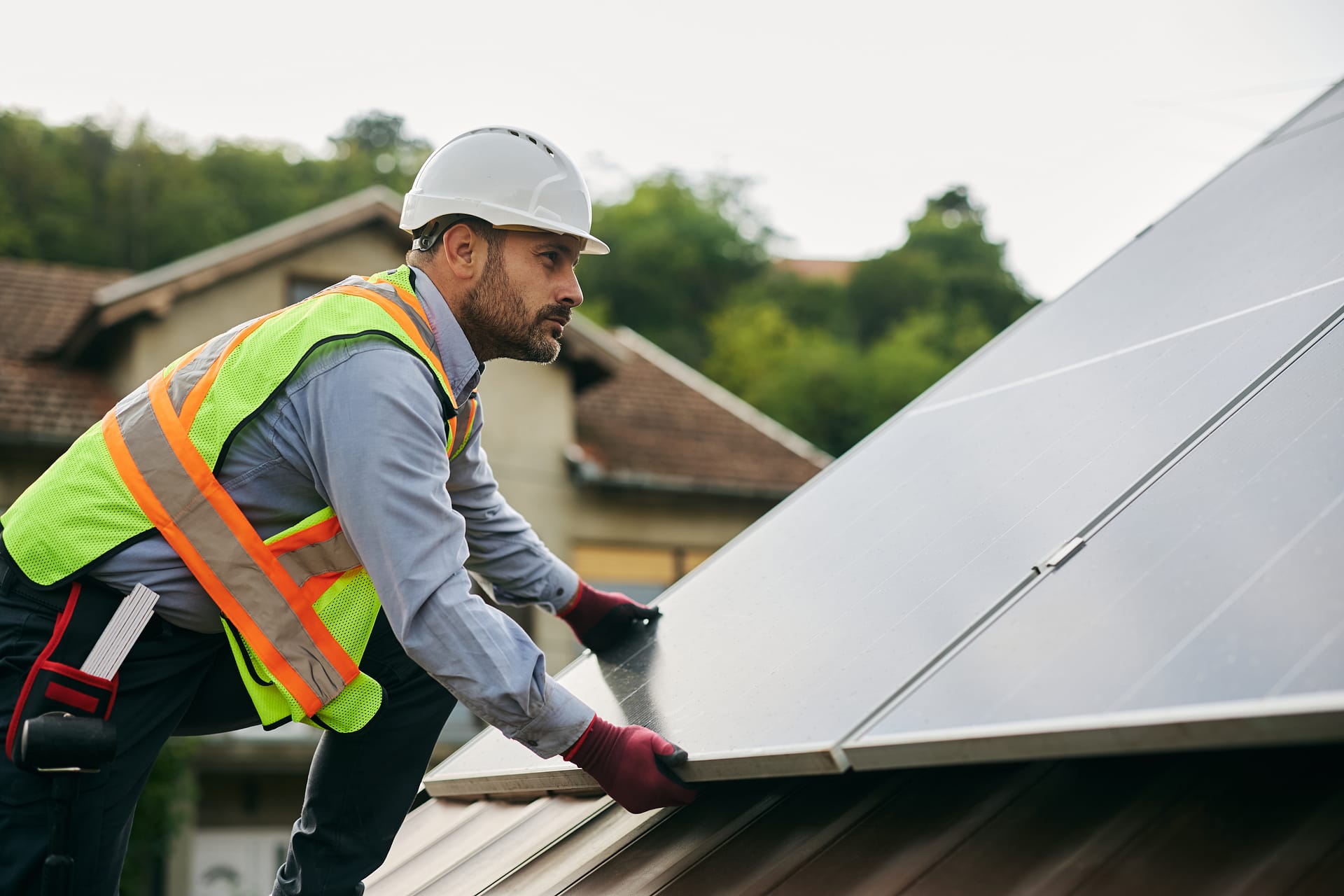
Here’s the bit that gets people excited, and rightly so. A decent solar PV system knocks hundreds off your annual electricity spend, sometimes cutting bills by 50% or more depending on your usage patterns. I installed a 4kW setup for a Sheffield family last year who’d been paying £1,400 yearly for grid electricity. Within eight months they’d trimmed that to roughly £750, even with our notoriously grey skies. The savings compound year after year as energy prices keep climbing, which they’ve done relentlessly since 2021.
You’re basically locking in decades of cheaper power once the panels are up. Plus, through the Smart Export Guarantee you earn a few quid for surplus electricity sent back to the National Grid (check the official SEG details here if you’re curious about rates). One Manchester client literally laughed when his system powered a rainy BBQ and he realised his meter was running backwards. It’s not life-changing income, but every bit helps offset the initial outlay. If cutting your household costs matters to you, get your no-obligation online quote with solar energy advice by filling out our quick form and we’ll calculate your specific savings potential with honest numbers.
Renewable Energy That’s Actually Clean
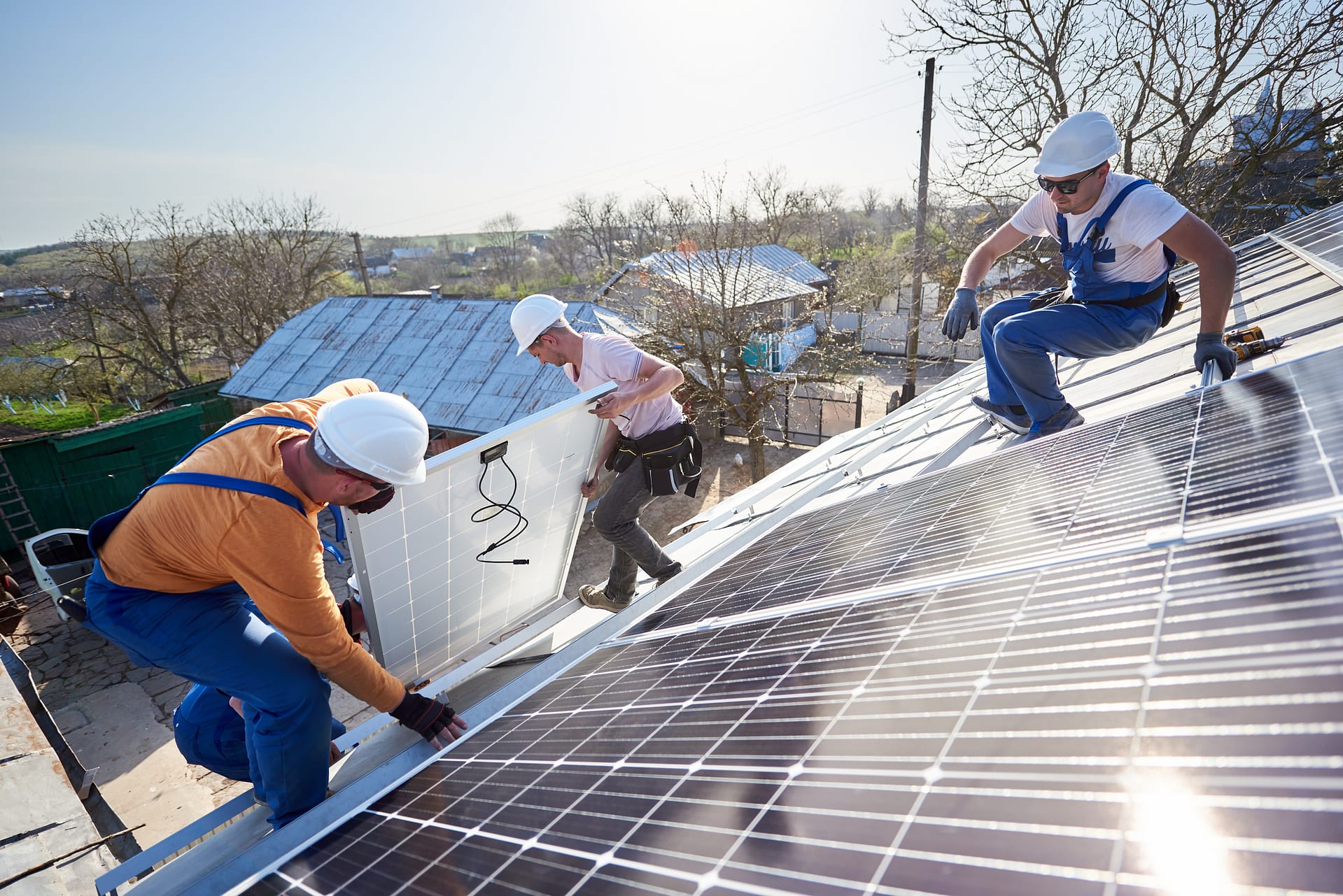
I won’t pretend solar panels are perfect environmentally (more on that later), but they’re miles ahead of burning fossil fuels once they’re installed and running. A typical UK home system offsets nearly a tonne of CO2 each year, which is genuinely meaningful when you multiply that across the million-plus homes already using solar. Unlike gas boilers or coal plants, photovoltaic panels generate electricity without pumping out greenhouse gases or toxic fumes after installation. The sun’s not running out anytime soon either, making it renewable in the truest sense.
Does it solve climate change single-handedly? Course not. But after 20 years watching energy markets, I’d rather homeowners shift toward something sustainable than keep feeding money into finite fuel sources that wreck the planet. It’s one of those rare situations where your wallet and the environment both benefit. Honestly, this aspect attracts a growing number of my clients who simply want to do better, and I respect that motivation.
Upfront Costs Can Be Eye-Watering
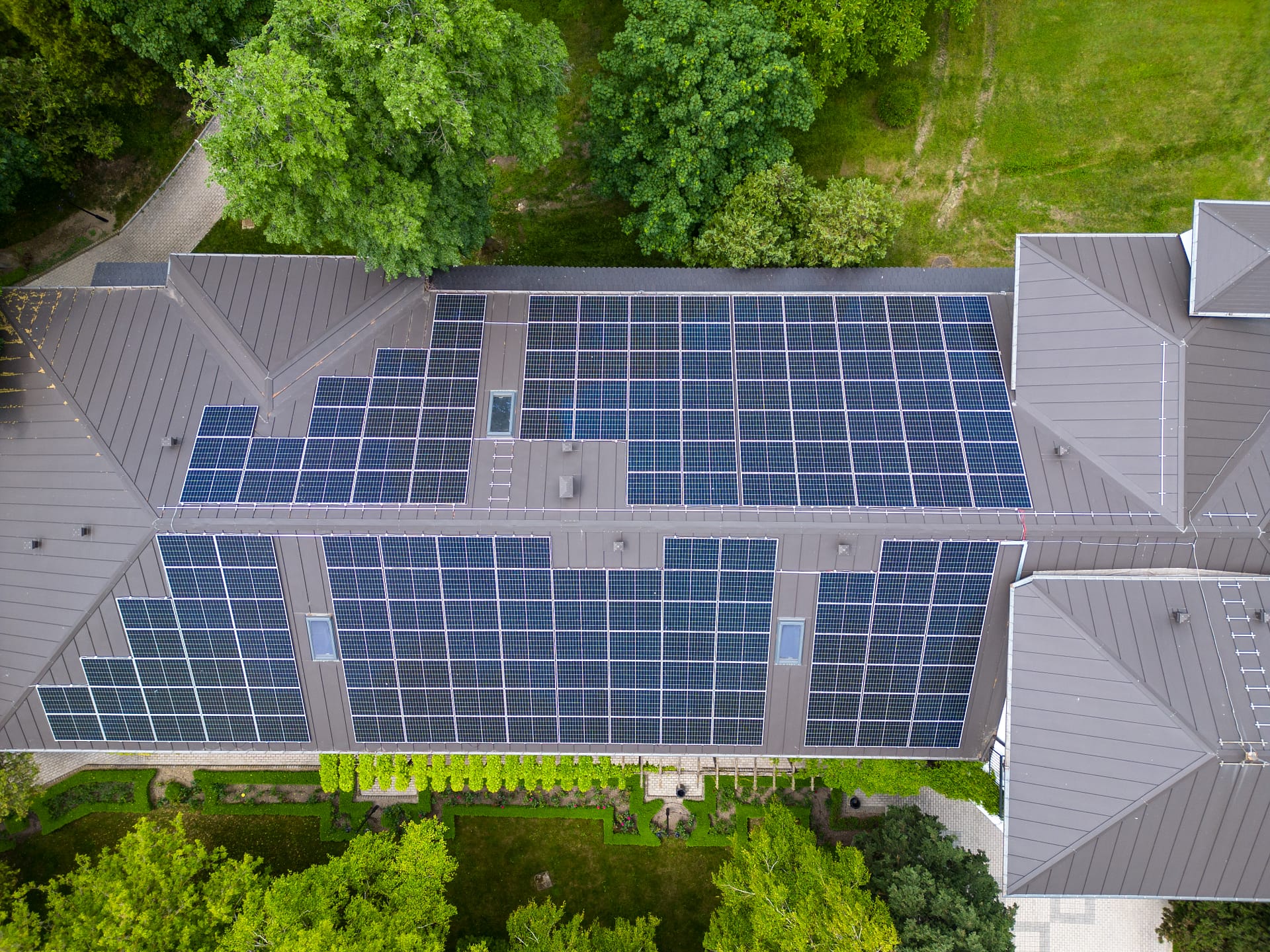
Right, time for the uncomfortable reality. Solar panel installation isn’t cheap regardless if in London or Lincoln, and anyone telling you otherwise is having a laugh. Depending on system size, quality, and your roof’s quirks, you’re looking at several thousand pounds before you flip a single switch. That initial investment puts off loads of families who’d otherwise benefit, and I completely understand why. Yes, prices have dropped over the past decade, but we’re still talking serious money that most households don’t have lying about.
The payback period typically runs 5 to 10 years, sometimes longer if you’re in a particularly cloudy region or have modest electricity usage. For renters or folks planning to move soon, the maths rarely works out favorably. I fitted a system for a Norwich couple planning their retirement who could afford the upfront cost and knew they’d stay put for decades. Perfect scenario. But I’ve also turned away people when the numbers just didn’t make sense for their situation, because misleading clients isn’t in my nature. That’s why we offer free personalized advice when you get your no-obligation online quote through our platform, so you know exactly what you’re facing financially before committing.
British Weather Isn’t Ideal for Solar
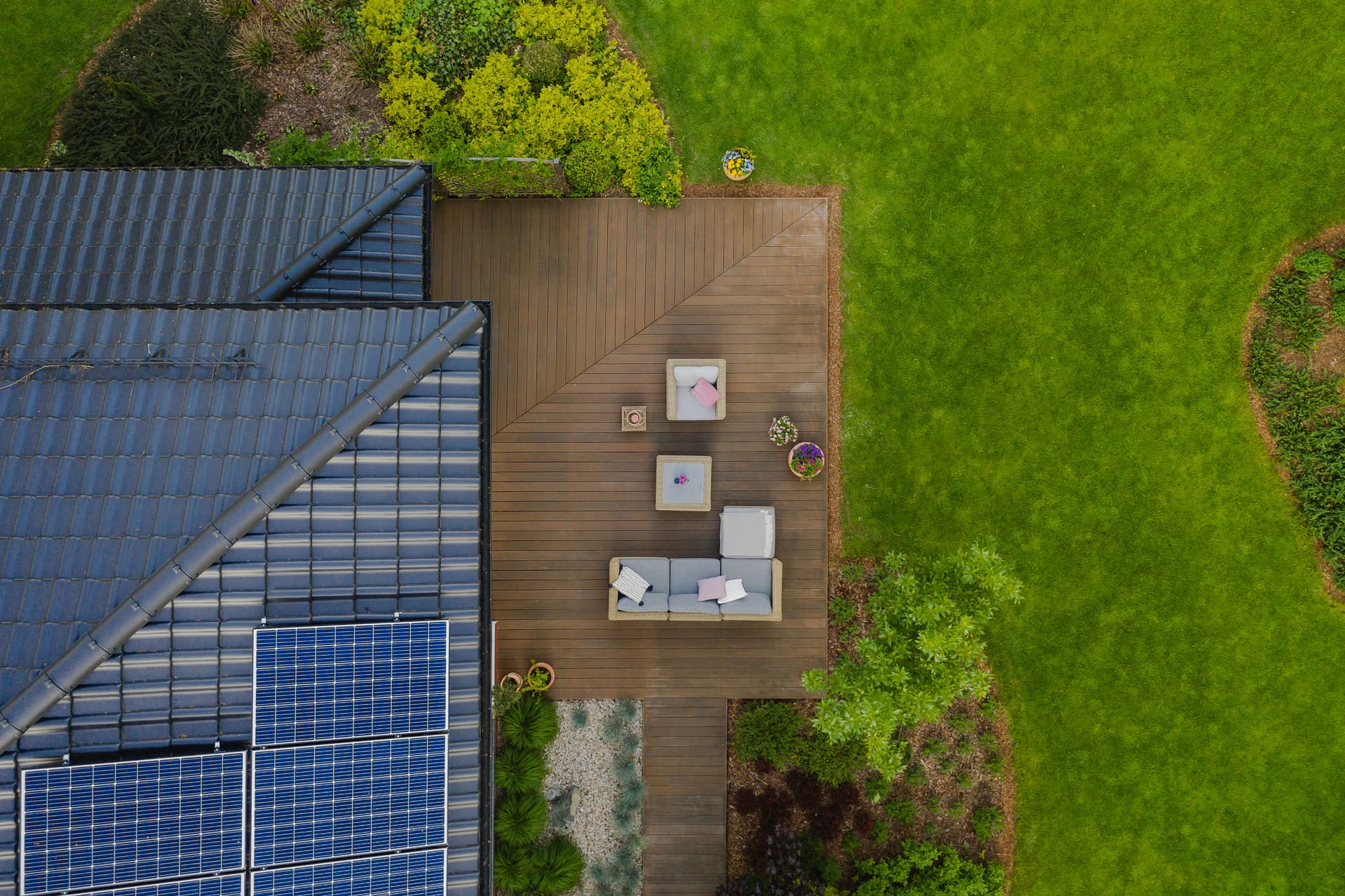
Let’s address the elephant in the room. We’re not exactly blessed with endless sunshine here, are we? Solar panels do generate electricity from diffuse light on overcast days, but output drops noticeably when clouds roll in. Dark rainy stretches in winter produce minimal power, forcing you to pull from the grid or battery storage during those periods. You need roughly south-facing roof space to maximize efficiency, though east or west orientations can work with some output reduction.
I won’t lie and say weather’s irrelevant, it affects your generation. However, modern panels perform far better in low-light conditions than earlier technology, and even northern UK regions see decent returns with proper system design. One Aberdeen client was skeptical but saw solid production despite Scotland’s famously temperamental climate. It’s about realistic expectations rather than pretending we’re living in Spain. Battery systems help smooth out the intermittency, storing excess from sunny spells for evening use, though that adds another chunk to your costs. The UK solar industry wouldn’t have grown to over a million installations if panels were useless here.
Minimal Maintenance After Installation
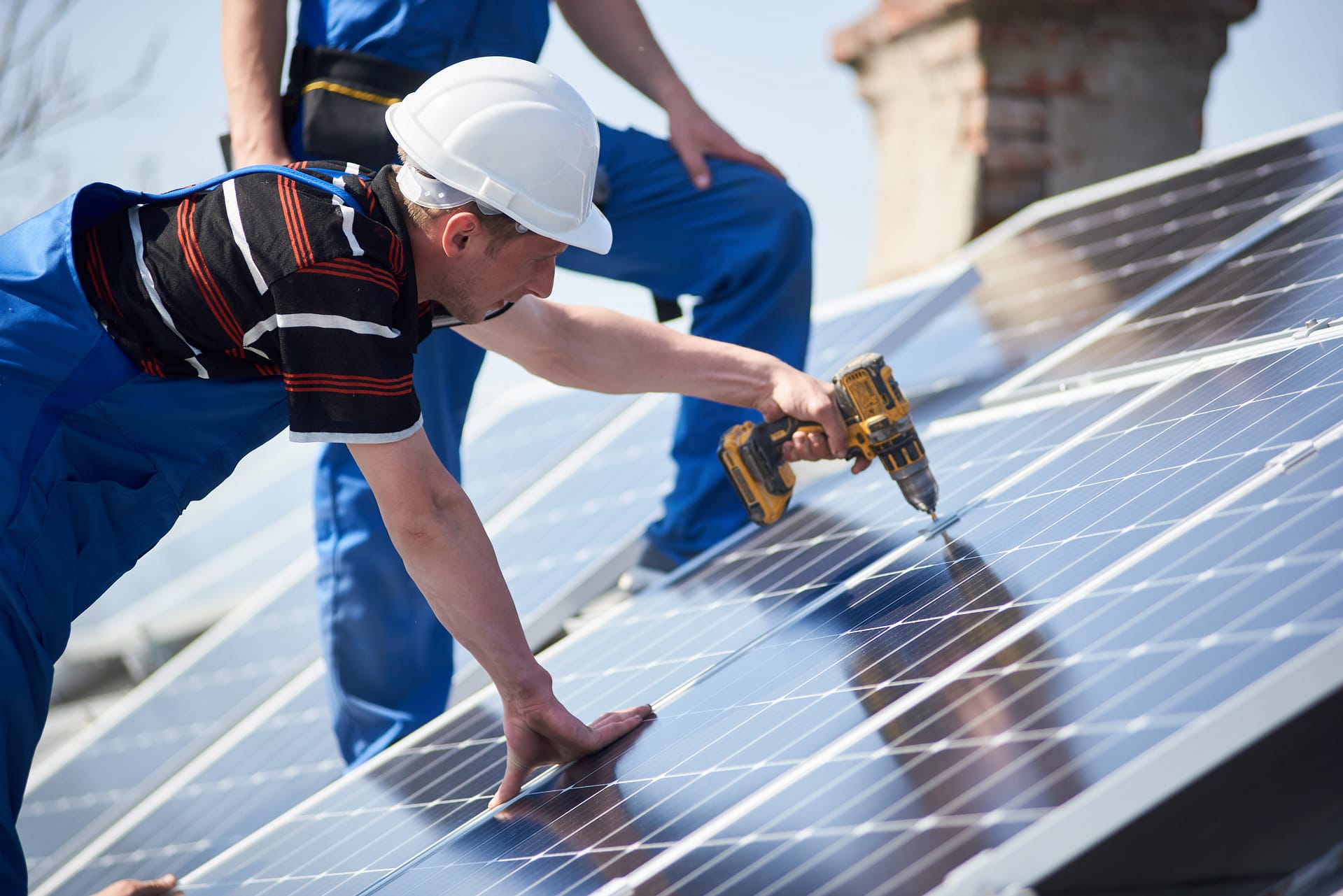
Here’s genuinely good news that surprises people. Solar panels are remarkably low-hassle once they’re mounted on your roof. They’ve got no moving parts to wear out, so you’re mainly looking at occasional cleaning (rain handles most of it naturally) and maybe a visual inspection every year or two to check for damage or debris buildup. Most systems come with warranties spanning 25 years or longer, which should tell you something about their durability.
I’ve got customers with panels I fitted 15 years ago who’ve barely touched them since. Inverters might need replacing after 10 to 15 years depending on the model, but that’s about your only significant maintenance expense. Compare that to boilers needing annual services or cars requiring constant upkeep, and solar looks pretty attractive from a hassle perspective. It’s one of those rare purchases that genuinely works quietly in the background while saving you money.
Space Requirements and Roof Limitations
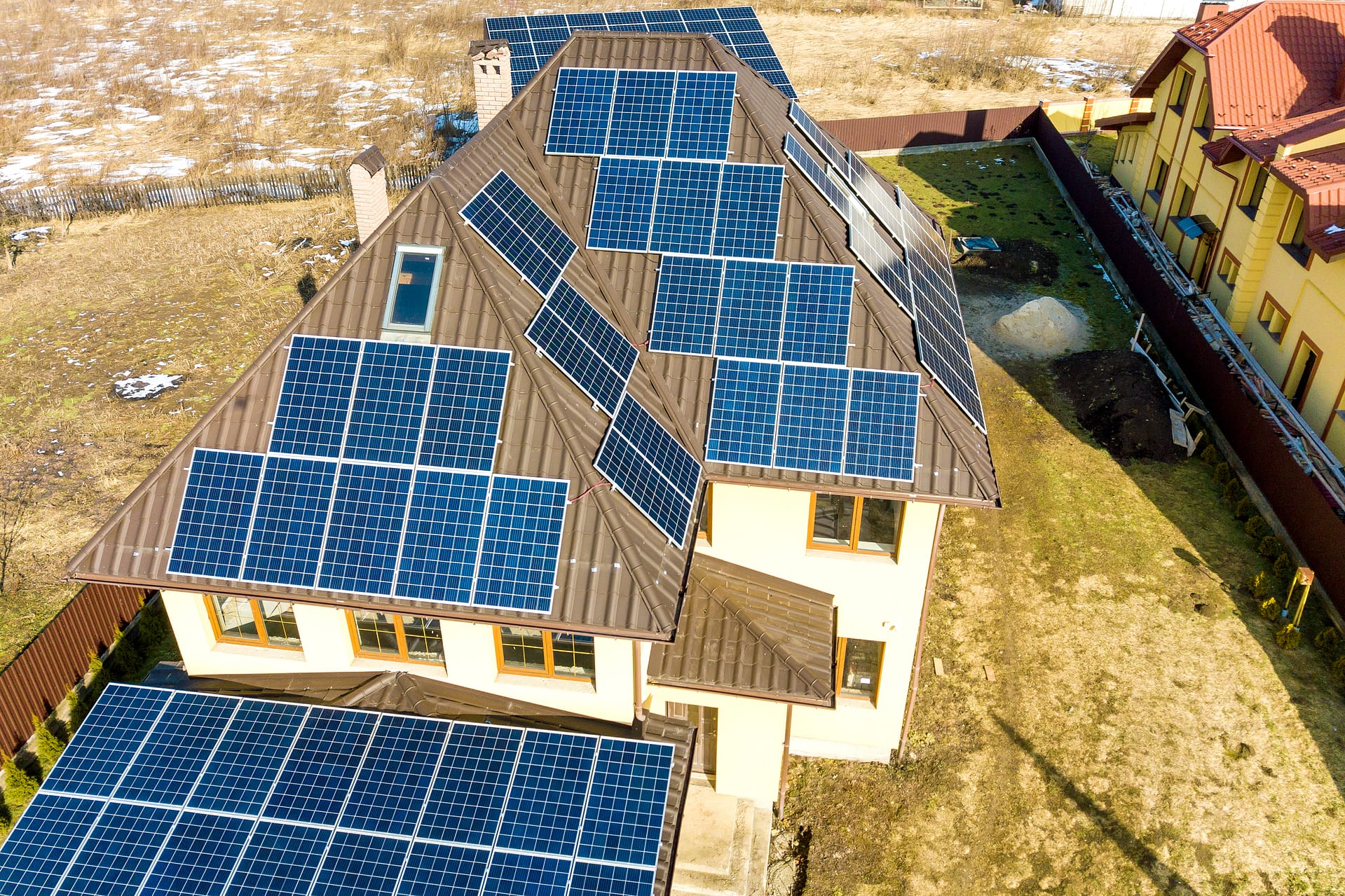
Not every property suits solar installation, which frustrates homeowners keen to make the switch. You typically need 15 square meters or more of unobstructed roof space for a decent-sized system, and not all roof configurations cooperate. Heavily shaded roofs, awkward angles, listed buildings with planning restrictions, or structural issues can rule out installation entirely or make it impractically expensive.
I’ve had to walk away from jobs where the roof simply wouldn’t accommodate enough panels to justify the investment. One Leeds terrace had beautiful south-facing roof space but was covered in chimneys and dormers, leaving almost nowhere to mount a worthwhile system. Gutting, really. Ground-mounted arrays exist as an alternative if you’ve got garden space, but most urban and suburban homes rely on rooftop installation. Before getting too excited about solar, it’s worth checking whether your property physically works for it. That’s something we assess during our free surveys when you reach out for your no-obligation quote, so you’re not wasting time on an impossible project.
Energy Independence and Property Value
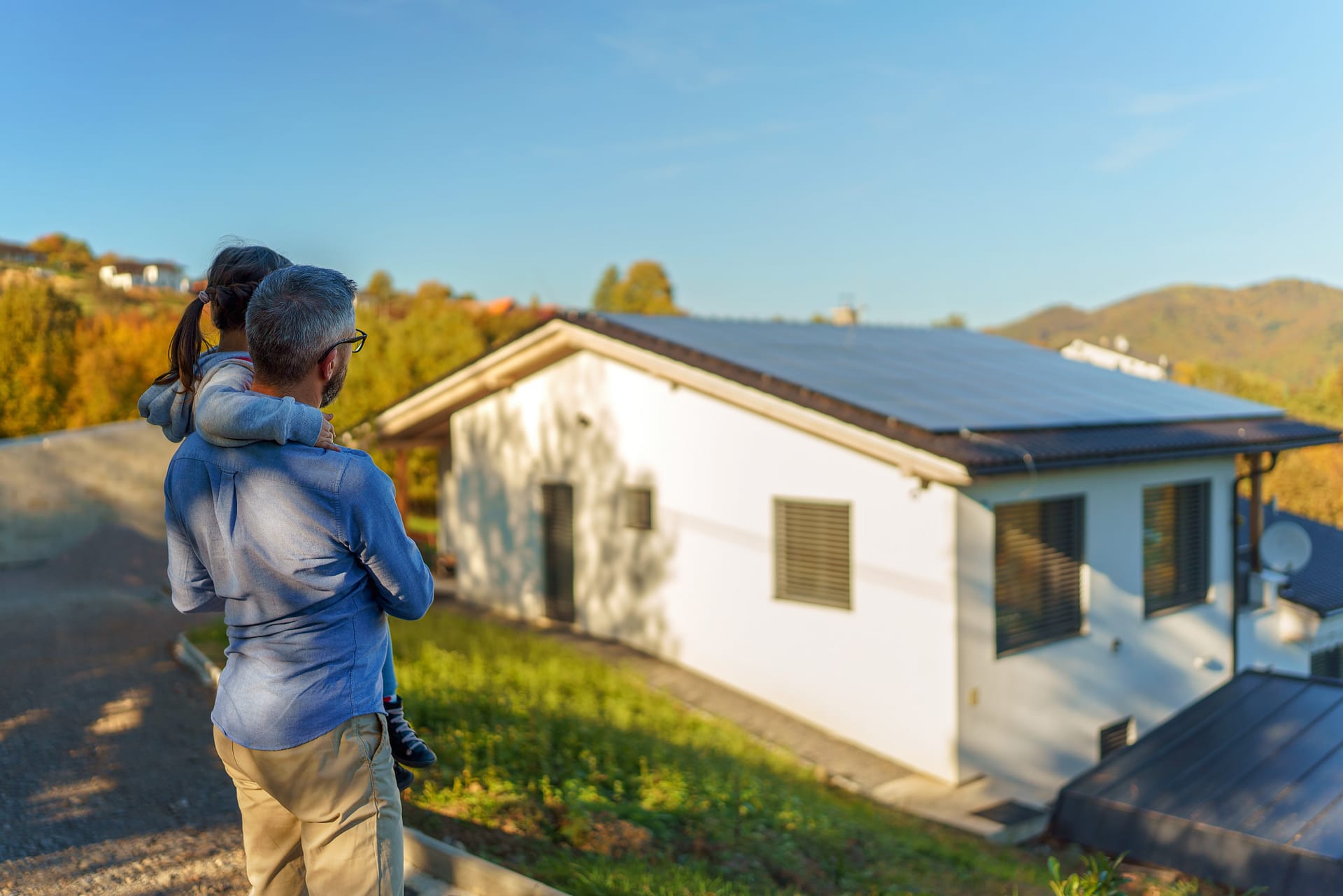
This advantage doesn’t get enough attention in my view. Installing solar reduces your reliance on external energy suppliers and their volatile pricing. You’re generating your own electricity right where you use it, which feels genuinely liberating when energy markets go haywire like they did in 2022. Paired with battery storage, you can keep essential systems running even during grid outages, though most UK homes stay grid-connected as backup.
There’s also evidence that properties with solar systems sell faster and command higher prices than comparable homes without them. Buyers appreciate the lower running costs and environmental credentials. I wouldn’t buy solar purely for resale value, but it’s a nice bonus if you’re thinking long-term about your property investment. You’re creating an asset that continues delivering value year after year through reduced bills and greater control over your energy sourcing.
Manufacturing Impact and Pollution Concerns
I’d be dishonest if I ignored this downside. Solar panel production is resource-intensive and generates pollution during manufacturing. Mining materials like silicon, silver, and rare earth elements takes an environmental toll, and factory processes create toxic byproducts that need careful handling. Battery systems add another layer of environmental concern, particularly around disposal and recycling challenges.
That said, the panels offset their production impact many times over during their 25 to 30 year lifespan. It’s genuinely a net positive for the planet once you account for decades of clean generation versus fossil fuel alternatives. Recycling technology keeps improving, and responsible manufacturers (like those we partner with at Best Solar Discounts) work to minimize production footprints. Nothing’s perfect, but the overall equation tilts heavily toward solar being environmentally beneficial compared to traditional energy sources.
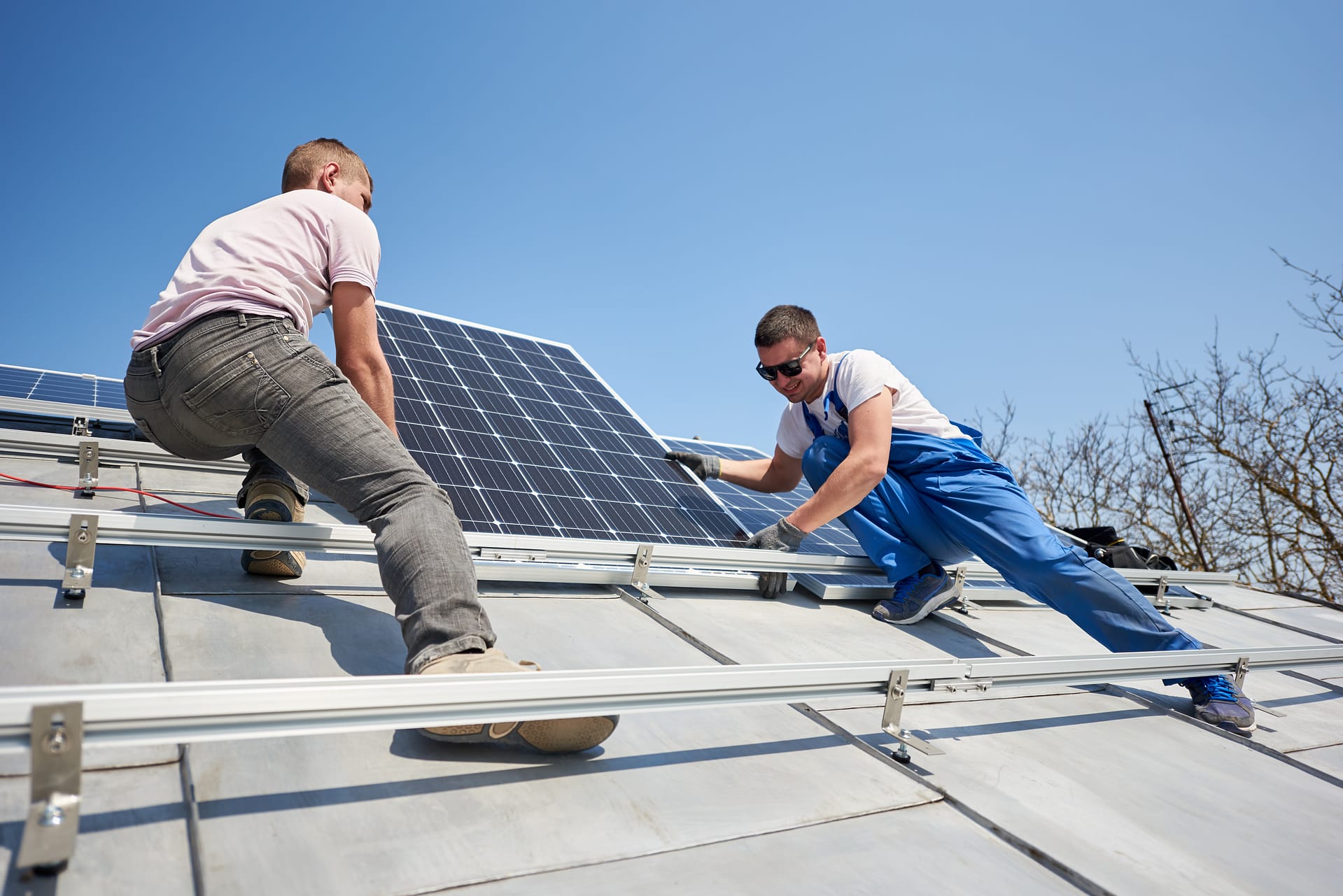
When to Install Solar Panels to Save on Your Energy Bills
If you’ve read this far, you’re seriously considering solar for your home. Smart move. At Best Solar Discounts, we’ve spent over 20 years helping UK homeowners navigate exactly these decisions with our nationwide expertise covering 11,000+ installations. Our platform connects you with high-efficiency panels designed specifically for British weather patterns, delivering £500+ in annual savings for typical households while our MCS-certified processes ensure installations meet rigorous industry standards (learn more about MCS certification here).
We handle everything end-to-end. Rapid quotes give you clear numbers within days, free home surveys assess your property’s specific potential without pressure, and we guide you through battery storage options if you want maximum energy independence. Our systems qualify for Smart Export Guarantee payments, and we coordinate all DNO approvals so installations run smoothly with minimal disruption to your daily life. Over 3,500 verified reviews from satisfied homeowners confirm we’re not just promising results, we’re delivering them across England, Scotland, Wales, and Northern Ireland.
The carbon reductions alone make solar worthwhile, but when you combine environmental benefits with genuine long-term savings on soaring energy bills, it becomes one of the smartest investments available to UK homeowners today. Don’t let another year of high electricity costs slip by when you could be generating your own power. Get your no-obligation online quote with solar energy advice by filling out our quick form and access the premium solar PV solutions plus personalized maintenance guides that most installers don’t even offer.
Solar’s not perfect for everyone, but for thousands of UK families it’s transformed their relationship with energy costs while shrinking their carbon footprints. After two decades in this industry, I’ve seen firsthand how the right system makes a tangible difference to households willing to think long-term about their energy future.
Conclusion
Weighing solar energy advantages against its limitations comes down to your specific circumstances, honestly. The technology delivers undeniable benefits through reduced electricity bills, renewable clean energy generation, minimal ongoing maintenance, and greater energy independence, making it increasingly attractive as UK energy prices continue their upward march. Yet the high initial investment, weather dependency, space requirements, and manufacturing impacts present real challenges that shouldn’t be dismissed.
From my 20 years fitting these systems, I’ve learned solar works brilliantly for homeowners who can afford the upfront cost, plan to stay in their properties medium to long-term, and have suitable roof space with decent orientation. It’s less ideal for renters, those with heavily shaded roofs, or families needing to move within a few years. The technology’s only getting better and cheaper, while fossil fuel alternatives keep getting pricier and more environmentally damaging. For most UK households willing to think beyond immediate costs, solar represents one of the smartest energy investments available today, combining financial returns with meaningful environmental contributions.

Frequently Asked Questions
What are 5 advantages of solar energy?
Solar energy offers five key advantages for UK homeowners: it’s a renewable clean energy source that won’t run out, it significantly reduces electricity bills (often by £500+ annually), it requires minimal maintenance after installation with warranties spanning 25 years or more, it increases property values and buyer appeal, and it qualifies for Smart Export Guarantee payments when you send surplus power back to the grid. These benefits combine financial savings with environmental responsibility, making solar increasingly popular across Britain.
What are 3 disadvantages of solar energy?
The three main disadvantages of solar energy are high upfront installation costs running into thousands of pounds that deter many families, weather dependency that reduces output during cloudy or rainy periods common in the UK, and space requirements since you need substantial unobstructed roof area (typically 15+ square meters) with proper orientation for effective systems. Additionally, solar panels don’t generate electricity at night, requiring grid connection or expensive battery storage for around-the-clock power.
Is solar energy good or bad?
Solar energy is overwhelmingly good for most UK homeowners when circumstances align properly, combining substantial electricity bill savings with environmental benefits through clean renewable generation that offsets nearly a tonne of CO2 annually per household. However, it’s not universally suitable due to high initial costs, weather limitations, and property requirements that rule out some homes. The technology delivers long-term financial and environmental value for those who can afford the upfront investment and have appropriate roof space, making it a smart choice for the right situations despite legitimate drawbacks.
Do solar panels work in cloudy weather?
Solar panels do work in cloudy weather but generate reduced electricity compared to sunny conditions since they rely on light rather than direct sunlight. Modern photovoltaic technology performs far better in diffuse light than earlier panels, allowing UK systems to produce worthwhile power even during overcast periods common across Britain. However, dark rainy days yield minimal output, and winter months with fewer daylight hours see decreased generation, which is why most UK homes stay grid-connected or use battery storage to maintain consistent power supply.
How much do solar panels save on electricity bills?
Solar panels typically save UK homeowners £500 to £700+ annually on electricity bills depending on system size, location, and household energy consumption, with some families cutting their grid electricity costs by 50% or more. The exact savings vary based on factors like roof orientation, local weather patterns, and electricity usage habits, but most properly sized systems pay for themselves within 5 to 10 years through these ongoing reductions. Additional income from Smart Export Guarantee payments for surplus electricity sent to the National Grid further enhances financial returns over the system’s 25+ year lifespan.


